Jada Thompson, Associate Professor, Department of Agricultural Economics and Agribusiness
Ryan Loy, Assistant Professor and Extension Economist, Department of Agricultural Economics and Agribusiness
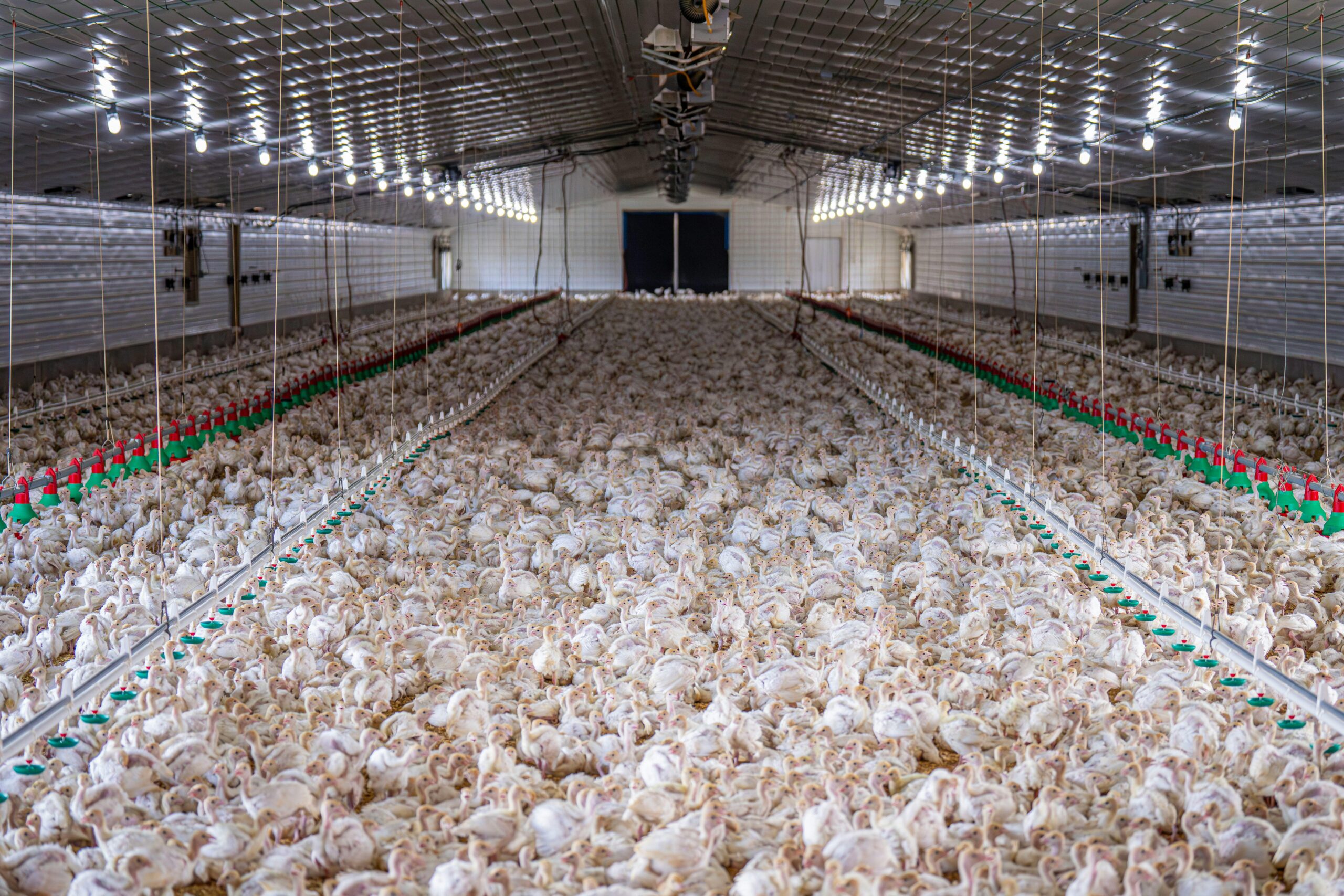
Highly pathogenic avian influenza (HPAI), commonly called bird flu refers to the H5N1 clade 2.3.4.4b strain of avian influenza, which was detected in the United States in 2022. The term “highly pathogenic” refers to the virus’s ability to spread quickly and destructively, killing more than 75% of birds it infects (World Organisation for Animal Health, 2026). Because the virus is so deadly in commercial poultry, best practice requires the depopulation of flocks in which the disease is detected. Primarily, this is the humane response, as the entire flock will perish if given enough time. Depopulation also stops the reproduction of the virus, protecting farmers, consumers, and the public. Additionally, it allows farmers to minimize down time, returning farms to production as soon as possible, after appropriate cleaning and disinfection. Though necessary, these population losses lead to economic consequences which extend well beyond just individual farms, contributing significantly to elevated egg prices (Mitchell et al., 2024).
Bird Flu in the Flyway
The U.S. poultry industry encountered H5N2 HPAI in 2014, which was mostly spread house-to-house through contaminated materials, trucks, and laborers. This prompted sweeping changes in biosecurity culture that still exist today. These changes, along with a single warm summer, helped to end the outbreak by June 2015. Since the 2022 introduction of a host-adapted H5N1 virus, poultry growers in the Mississippi Flyway have faced increased disease risk, despite the wide adoption of these enhanced biosecurity measures. This most recent outbreak has spread instead by external introduction, rather than in the same fashion as in 2014. In this case, “host-adapted” refers to the virus’s ability to persist in wild bird populations. Whereas previous HPAI events ravaged both poultry and wild birds, the current H5N1 2.3.4.4b classification is less likely to kill wild bird species (Patyk et al., 2023; Thompson et al., 2025). This means that waterfowl can become infected and still survive migration, spreading the disease across the flyway.
What is the Mississippi flyway?
Migratory birds follow predictable migratory corridors, called flyways. The Mississippi flyway is an economically important flyway, covering parts of more than fifteen states and two Canadian provinces which include commercial broiler, turkey, and egg production. Migratory fowl spend the warm summer months in the breeding grounds of the northern Midwest, leaving in the fall to ride cold fronts south towards over-wintering habitat in the Gulf States. For southern states like Arkansas and Louisiana, the regularity of this migration is a large source of off-farm income, as waterfowl hunters flock to the Mississippi Delta. The U.S. Fish and Wildlife Service estimates that migratory bird hunters in Arkansas spend nearly $300 million annually on lodging, equipment, food, and transportation, over the state’s 72-day waterfowl season (U.S. Fish & Wildlife Service, 2022). Birds begin moving north again in the spring, often returning to the same breeding region year after year. Aside from its incredible biodiversity during migrations, the wetland habitat along the Mississippi River acts as a natural flood barrier year-round, holding surplus water as it drains towards the river.
Examining the geographic distribution of HPAI detections over time reveals a clear seasonal pattern that mirrors waterfowl migration. Figure 1 shows the number of detections, by county, for each month over the course of the outbreak. During the summer months, detections are sparse and concentrated in the northern reaches of the flyway, where birds spend the breeding season. As fall migration begins, HPAI’s geographic footprint expands southward, spanning nearly the entire flyway from October through May.
Figure 1: Mississippi Flyway HPAI Detections by Month, 2022-2025, with fitted latitudinal mean and IQR

What does this mean?
Understanding seasonality affords producers a predictable window each year to prepare before peak exposure periods arrive.
Before Peak Season
Inspect and repair perimeter fencing, netting, and housing gaps that could allow wildlife to access farm premises. Evaluate water and feed delivery systems to ensure they too are isolated from outside contact. Review all available extension publications, updating biosecurity protocols where necessary while maintaining coverage status with livestock indemnity programs. Conduct training and review these protocols with all farm workers and establish relationships with your veterinarian and state animal health officials before an emergency arises. Budget for increased biosecurity expenditures and most importantly, ensure you have a financial emergency plan, should you face depopulation.
During Peak Season
Vigilantly adhere to enhanced biosecurity protocols without exception. Monitor flocks closely for behavioral changes, decreased feed and water consumption, or sudden mortality. Limit all non-essential personnel traffic and enforce strict entry and exit biosecurity for all visitors and vehicles. Report any unusual mortality to your veterinarian or the USDA at 1-866-536-7593.
Year-Round
Stay current with USDA APHIS detection reports to understand active disease pressure in your region. Participate in state and federal livestock indemnity programs and know your coverage.
The Big Picture
A host-adapted virus in a migratory population means recurring seasonal risk for the foreseeable future. However, that seasonality also gives producers, researchers, and communities time to plan ahead. Understanding when and where the disease is likely to appear turns an unpredictable force into a manageable calendar of preparation and vigilance. Extension agents and agricultural educators can use these materials to help producers understand local risk windows and connect with available resources. Community preparedness, which begins at the farm level, remains the most effective tool available against this disease.
Marchant, Matthew, Jada Thompson, and Ryan Loy. “Bird Flu on the Move: Understanding Seasonal HPAI Risk in the Mississippi Flyway.” Southern Ag Today