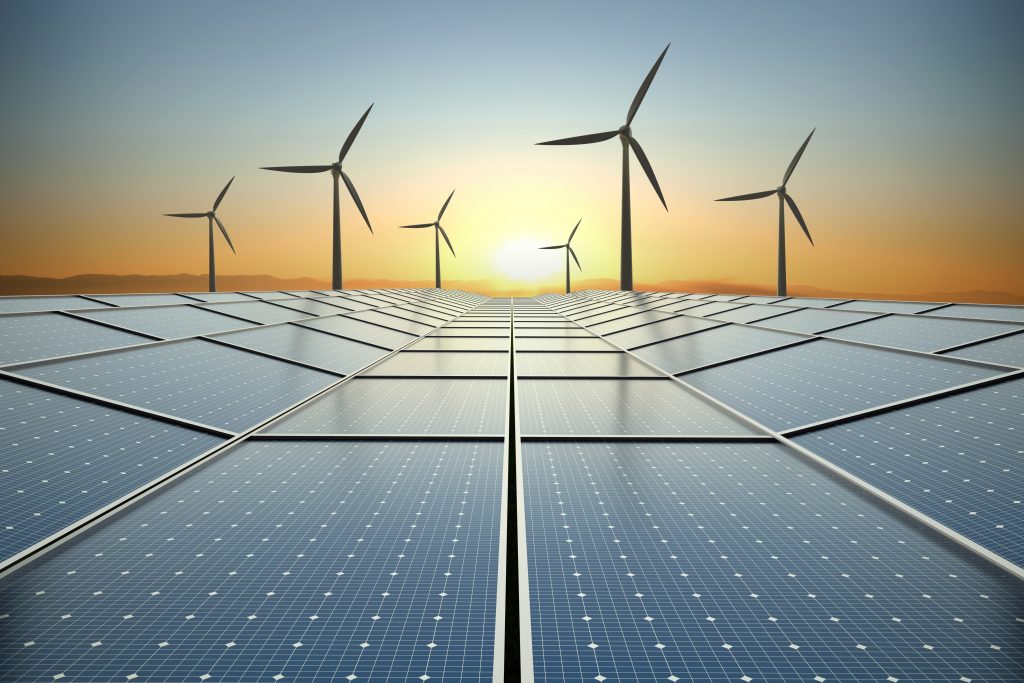
Farmers and landowners are increasingly being approached about leasing land for solar, wind, and battery storage projects. According to the Center for Rural Affairs, these agreements can create opportunities to generate long-term, stable income from their property as renewable energy development grows.
A new fact sheet from the Center for Rural Affairs aims to help landowners better understand the leasing process.
“Renewable energy development can be a strong opportunity for rural landowners, but lease agreements are long-term commitments that deserve careful review,” said Laura Priest, policy associate with the Center. “Understanding each step of the process helps landowners protect their interests, set clear expectations, and build a productive relationship with developers.”
The fact sheet provides information on the renewable energy leasing process, from early conversations with a developer to site review, lease negotiations, construction, operation, and eventual decommissioning.
The process often begins with an initial consultation, when a developer gathers basic information about the property. If the site appears to be a good fit, the developer may then conduct a more detailed evaluation of factors that will impact the success of the development.
“Marginal or lower-producing agricultural land may be especially well suited for some projects, allowing landowners to generate predictable payments over multiple years from acres that are less productive for traditional farming,” Priest said. “Projects can also incorporate dual-use solar practices that keep land in agricultural use through grazing, crop integration, or beekeeping.”
The fact sheet also highlights things to consider before entering into a lease option, notice of intent, or long-term agreement. Landowners are encouraged to ask questions, seek professional guidance, and understand that organizations can support them through the process.
“Clear communication from the beginning is key,” Priest said. “A strong agreement should address not only how the project begins, but how the land will be used, maintained, and restored over time.”