

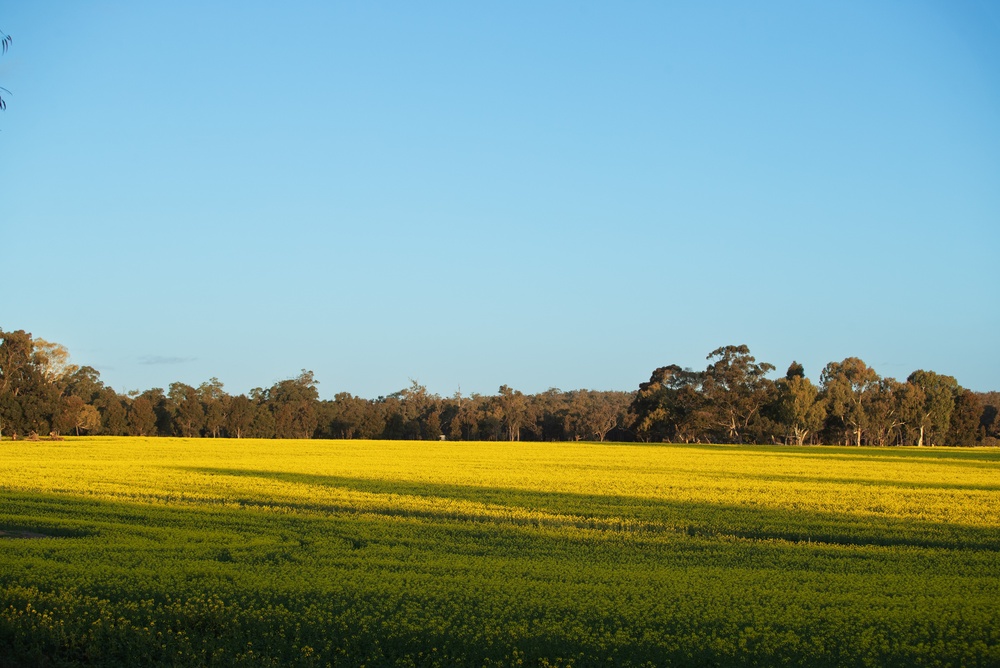
A decade after brilliant yellow canola fields were a common sight across Oklahoma between 2013 and 2015, the oilseed is poised for a major resurgence. In a recent interview, Farm Director KC Sheperd sat down with canola specialist John Fenderson—who retired from Bayer in 2023 before returning to help steer the crop’s regional revival—to explore the emerging era of what agronomists are calling “Canola 2.0.”
According to Fenderson, modern canola production is far removed from the early iterations that frustrated growers years ago. Bolstered by advances in genetics and surging biofuel demand, canola is emerging as a powerful rotational partner for winter wheat.
Biofuel Mandates and Policy Drive the Revival
The renewed momentum behind canola is heavily backed by national energy transitions. While genetic improvements over the past 25 years have laid the foundation, market drivers are pushing the crop back into the spotlight.
“I don’t think people would be quite as excited about canola right now if we hadn’t had some of these renewable fuel standards and the demand from the transportation industry that has a pretty high desire to move to sustainable fuels over the next 15 to 20 years,” Fenderson explained. “The amount of consumption of biofuels that it’s going to take to feed that market is substantial, so we really have a big need for it, and hopefully that provides a really good opportunity for Oklahoma and other Great Plains canola producers.”
Learning from “Canola 1.0”: Swathing and Winterkill
Reflecting on why canola acres dwindled after the mid-2010s, Fenderson pointed to significant harvest and agronomic hurdles that plagued earlier varieties.
“A lot of farmers… the first thing that they all said: ‘We don’t want to swath it. We want to straight cut it,'” Fenderson said. Swathing required extra equipment, added operations, and exposed growers to high winds that could blow windrows into piles at the bottom of the field. “Those steps added cost to it, significant amount of cost. So that was one thing that they really, really did not like.”
Agronomic vulnerabilities also discouraged growers. Winter hardiness issues frequently wiped out entire crops. “A lot of times your canola would look great going into the winter period, and come February when it should be growing up, the field was totally brown,” noted Fenderson, explaining that growing points historically elongated too high above the soil line, exposing plants to deadly winterkill. With approximately 75% of local ground managed under absentee landowners or sharecropping agreements, continuous crop failures drove both tenants and landowners away from the crop. The closure of local crush capacity, such as the Producers Cooperative Oil Mill (PCOM) facility, further strained farm margins with high freight costs to Kansas and Colorado.
The Rotational Payoff for Wheat
Today’s varieties and management practices have turned canola into an effective rotational tool, delivering substantial yield bumps to subsequent wheat crops.
“We’ve seen consistently probably 10 to 30 percent yield increases as wheat goes in behind canola,” Fenderson stated.
Beyond weed cleanup, recent soil testing revealed biological benefits beneath the surface. “One thing I looked into surprisingly was nematodes,” Fenderson said, noting canola’s natural nematicidal properties. “When I took soil samples after harvest from wheat and canola that was side-by-side, we saw an appreciable reduction in nematode numbers following canola versus what we did behind wheat.”
Furthermore, canola’s deep taproot breaks up hard soil layers and disrupts weed and insect cycles, while its residue decomposes rapidly. “Nutrient cycling is much more rapid behind canola than it is behind wheat, so a lot of the nutrients that get tied up in wheat straw get released from canola,” Fenderson added.
Management Guidelines for First-Time Growers Looking At Canola
For producers eyeing a trial run with canola, Fenderson stressed attention to detail during establishment and planning:
- Herbicide Carryover: Canola is extremely sensitive to long-residual herbicides commonly applied to wheat, such as sulfonylureas. “You really have to watch what you do with your herbicide applications in wheat because most of the time… we’re looking at it in a rotation with wheat,” Fenderson warned, advising farmers to consult crop consultants and track plant-back restrictions diligently.
- Soil pH: Low soil pH can quickly derail a stand. “Canola in general does not like low pH,” Fenderson noted. “I would say if you’re below 5.2, that you probably shouldn’t be planting canola; you’ll need to put some lime on it.”
- Seedbed Preparation: Because canola seed is very small, it requires a firm, shallow seedbed to prevent the seed from sifting too deep into loose dirt. “We want growers to think about growing canola almost like you were going to plant alfalfa,” he advised, recommending stale, firm seedbeds and cautious nitrogen management to prevent lush, freeze-vulnerable growth before dormancy.
- Hybrids vs. Open-Pollinated: While open-pollinated seed is cheaper, Fenderson encouraged looking at hybrid varieties. Though hybrids can run $15 to $20 more per acre, they often deliver a 5- to 10-bushel yield advantage and superior winter hardiness. “At $10 canola, it’s pretty easy to see the economics of that,” he said.
Finding the Right Ground
Geographically, Fenderson recommends targeting upland ground west of Interstate 35 for the best fit in Oklahoma.
“Canola doesn’t like wet feet,” Fenderson pointed out, noting that higher-rainfall areas in eastern Oklahoma and heavy, poorly drained bottom ground present standing water risks. Similarly, extremely sandy soils can dry out too quickly before shallow-planted seeds emerge uniformly. Well-drained upland fields in traditional wheat acreage provide the most reliable environment for establishing an even stand and capturing the rotational benefits of the crop.







