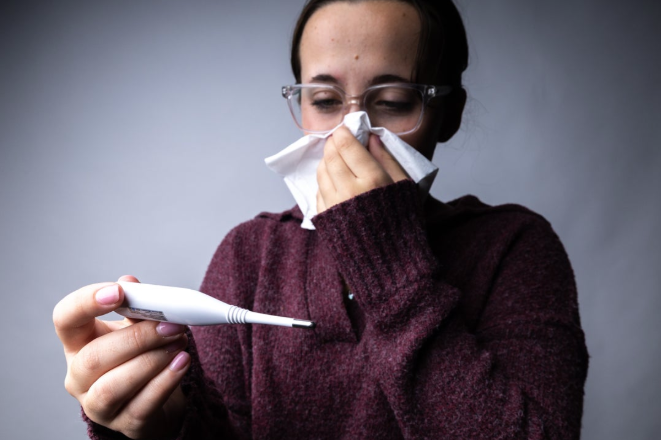
As Oklahomans move into the fall, respiratory virus season will soon be in full swing. Although most viral infections don’t have a specific treatment, there are reliable ways to stay healthy.
Daily healthy habits are important this time of year, said Nila Pradhananga, Oklahoma State University Extension nutrition specialist.
“Quality sleep and a balanced diet are two key elements that support a healthy immune system,” she said. “While vaccines and antiviral medications are important tools, a natural approach to good health can pay big dividends.”
About one-third of adults don’t get enough sleep, which can weaken the immune system and increase inflammation. A busy family schedule, juggling homework help, shift work or helping care for elderly parents can make sleep challenging. It’s important to try to get at least seven hours each night.
It’s no secret that a nutrient-rich, balanced diet is part of a healthy lifestyle. Meals consisting of fruits, vegetables, whole grains, lean proteins, and healthy oils positively impact the immune system. Unfortunately, many adults consume less than half of the recommended 25 grams of fiber per day, which varies by age and gender. OSU Extension offers more information on fiber in the Dietary Fiber fact sheet. Fiber also nourishes good gut bacteria, which can help reduce inflammation.
“Something else to consider is indoor humidity. Our winter air is often dry, but a humidifier can help with indoor air quality,” Pradhananga said. “Higher humidity can help loosen mucus, making it easier to clear. Higher humidity levels also support stronger immune responses compared to dry air and reduce how easily viruses spread in the air. Be sure to clean the humidifier regularly to keep it free of mold or bacteria.”
There is a lot of information available touting the efficiency of supplements. Current research indicates there’s no clear benefit that vitamin D helps prevent respiratory infections. While zinc may shorten the duration of a respiratory infection, it won’t prevent it.
Pradhananga said many people believe consuming extra vitamin C can be helpful; it doesn’t prevent or cure colds, either.
“Be careful taking high doses of vitamin C because that carries risks such as kidney stones,” she said.
One non-supplement remedy that can help during cold and virus season is nasal saline. It’s easy, affordable, and can help ease congestion and shorten symptom duration. Be sure to use distilled or purified water.
“There’s no magic cure for a cold, but washing your hands, getting enough rest, a well-balanced diet, healthy indoor air and evidence-based care are your best options,” Pradhananga said.
OSU Extension uses research-based information to help all Oklahomans solve local issues and concerns, promote leadership and manage resources wisely throughout the state’s 77 counties. Most information is available at little to no cost.