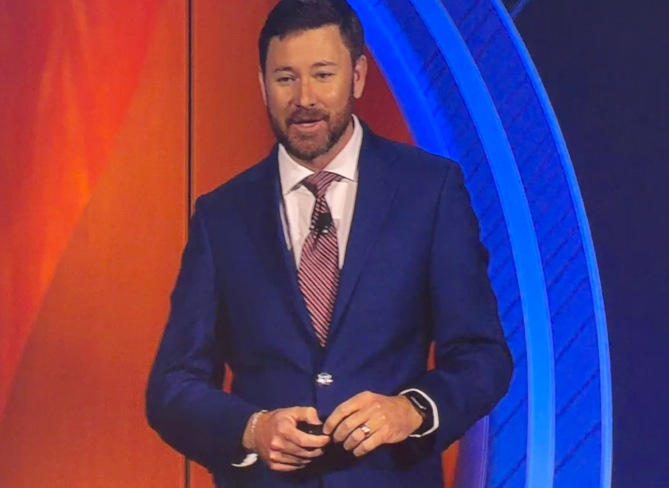
In today’s Beef Buzz, senior farm and ranch broadcaster Ron Hays speaks with Matt Makins at CattleCon26, who says winter is far from finished across the Southern Plains. Makins notes that recent storms signal a delayed but active cold season, warning producers to stay alert. “It’s a harbinger of things to come,” Makins said, pointing to signs that “another burst of cold may move down out of Canada” by mid-February, bringing sharper winter conditions back into the region.
Makins also outlined a major shift underway in large-scale climate patterns, explaining that the current La Niña is weakening and setting the stage for a transition toward El Niño later in the year. “We’re at the end of this La Niña. It’s weak to non-existent, depending on the day you look at the data,” he said. As that transition unfolds, Makins explained it will “flip our script,” moving away from today’s extreme temperature swings toward a different moisture and temperature pattern later in 2026.
When it comes to spring precipitation, Makins said location will matter. Areas east of Interstate 35 are favored to see better moisture chances through February, March, and April. “East of 35 does better,” Makins said, adding that areas farther west may need colder systems to unlock meaningful moisture. He cautioned producers, however, that “be careful what you wish for,” since cold air intrusions often come with the storms needed to deliver rainfall west of I-35.
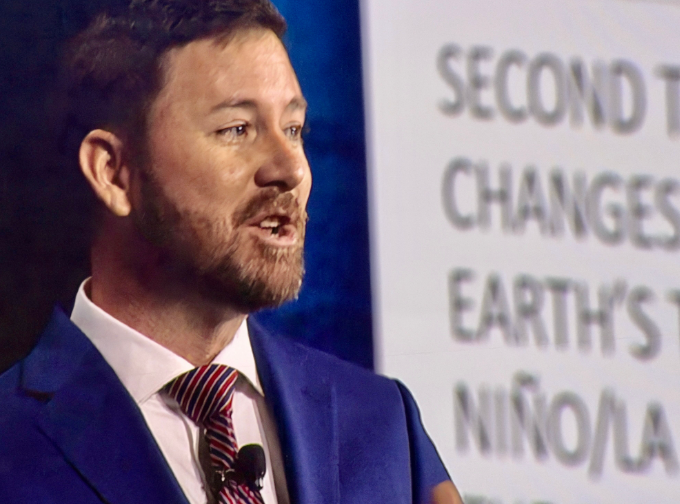
For cattle producers focused on forage prospects, Makins stressed that timing will be critical. While soils dried rapidly last fall, he said many areas are still in better shape than a year ago thanks to prior moisture. “Their soils are in better shape than they were a year ago,” Makins said of parts of Texas and Oklahoma, giving producers “a little better launching point” heading into the growing season. Still, he emphasized that any El Niño-driven moisture is more likely to show up in summer and fall rather than early spring.
Makins also warned that lingering dryness combined with leftover vegetation from last summer raises wildfire risks, even as producers cautiously consider herd rebuilding. “There’s a lot of fuel, especially western areas,” he said, calling wildfire risk “a huge problem” if drought persists. Despite those concerns, Makins said there is cautious optimism. “This year there’s optimism, because a lot more beef producers will get water than have recently,” he told Hays, though volatility in temperatures and precipitation is expected to continue through the spring.
Coverage of CattleCon 2026 is powered by Farm Data Services of Stillwater, Oklahoma.
The Beef Buzz is a regular feature heard on radio stations around the region on the Radio Oklahoma Ag Network and is a regular audio feature found on this website as well. Click on the LISTEN BAR for today’s show and check out our archives for older Beef Buzz shows covering the gamut of the beef cattle industry today.