he Weekend Watch: Receptive Fuels, Reluctant Winds
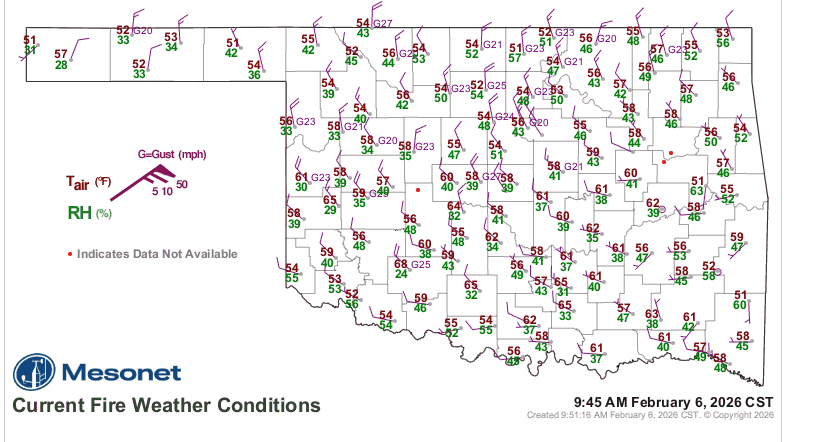
Friday: The Heating Window Sarah leaned against the brush truck, wiping sweat from her forehead. It didn’t feel like February. The thermometer on the dash read 78°F, well above normal for the season. The sky was a piercing, cloudless blue.
“Feels like fire weather,” her rookie, Miller, noted, kicking at a clump of cured grass.
“It is, and it isn’t,” Sarah corrected, looking at the swaying mesquite. “The fuels are ready. We’ve got fine-dead fuel moisture values sitting at 4-5% right now. That grass is begging for a spark.”
The radio crackled with a smoke report near the 100th Meridian. As they rolled out, Sarah monitored the wind. That was their saving grace. The forecast called for sustained speeds below 15 mph, and it was holding true.
When they arrived on scene, a rangeland fire was pushing north. It looked aggressive—flames licking up to 11 feet high—but it wasn’t racing. “Clock it,” Sarah ordered. “Moving about 140 feet per minute,” Miller replied. “Standard tactical,” Sarah said. “Anchor and flank. The wind isn’t strong enough to crown it out or push it past our catch lines.”
Because the wind lacked that critical punch, the initial attack was successful. They had a wet line around it within the hour. As sunset approached, the humidity recovered, and the fire behavior collapsed just as predicted.
Saturday: The Panhandle Push The next morning brought a shift. A cold front was exiting, leaving the air cooler—mid-60s—but the atmosphere was still dry.
“Head on a swivel today,” Sarah briefed the crew. “We’ve got good overnight recovery here, but out west towards the Panhandle, the humidity is dipping into the teens again.”
They were staged near Woodward. By mid-afternoon, the southerly winds kicked up, just a bit stronger than Friday. A spark from a dragging trailer chain ignited the ditch.
This time, the fire moved with more authority. The rate of spread jumped to 150 ft/min. “Flames are pushing 14 feet!” Miller shouted over the pump engine. “It’s the fuel loading,” Sarah yelled back. “Hit the head! We can catch this before it transitions!”
Despite the higher flame lengths, the lack of a true gale-force wind kept the fire from escaping. It was hot, dirty work, but the probability of successful initial attack remained high. They mopped up as the sun dipped, the temperatures dropping quickly into the 50s.
Sunday: The Silent Heat Sunday felt deceptive. The temperatures rebounded hard, climbing back into the 70s. As they patrolled west of I-35, the air felt paper-dry.
“RH is dropping,” Sarah noted, checking the Kestrel meter. “We are under 30%. If we get a start, the fuels are going to burn hot.”
But the world was eerily quiet. The wind had died down completely, generally staying less than 10 mph.
At 14:00, they spotted a column of smoke in a tall grass field. They arrived to find the fire backing and creeping more than running. “Look at that,” Sarah pointed. “It wants to run, but there’s no engine behind it.” The rate of spread was sluggish, hovering between 65 and 95 ft/min. The flames were still respectful—12 feet in the heavy grass—but vertical, not driven over.
It was the easiest catch of the weekend. The crew clamped it down in twenty minutes. “Textbook,” Sarah said. “Excellent opportunity for success, just like the briefing said.”
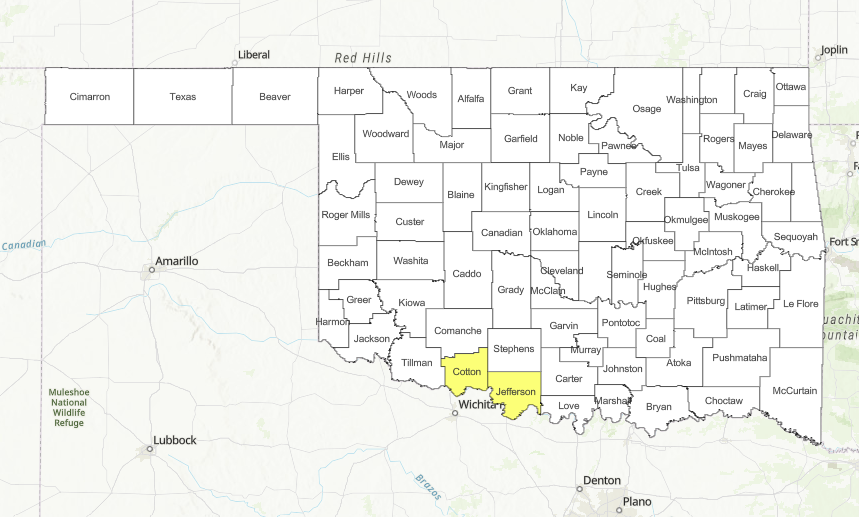
The Outlook: A Waiting Game By Monday morning, the crew was scrubbing soot off the truck. The sky was turning grey to the southeast. “Rain coming?” Miller asked, looking toward the Red River. “Maybe southeast of I-44,” Sarah said, reading the new outlook. “But for us? The 7-day forecast holds little optimism for wetting amounts.”
She looked at the dry horizon. They had survived the weekend without a critical event, thanks to the calm winds. But the grass remained dry, and the fire season was far from over.
Operational Summary for the Weekend
- Tactical Advantage: Lack of strong winds allowed for high success rates on Initial Attack (IA) all three days.
- Primary Hazard: High temperatures and low RH (especially in the Panhandle/West) created very receptive fuels with flame lengths exceeding 10-14ft in heavier loading.
- Next Steps: Monitor fuel moisture recovery early next week; current rain chances generally favor the SE, leaving western fuels cured and available.
For the latest Burn bans, click here;