
Oklahoma Peanuts: High Quality and Shifting Markets Define the 2025-2026 Outlook:
While Oklahoma may be better known for its vast wheat fields, the state’s peanut industry continues to carve out a reputation for producing some of the highest-quality nuts in the world. In a recent conversation with Farm Director KC Sheperd, David Nowlin, Executive Director of the Oklahoma Peanut Commission, shared insights into the successful 2025 harvest and the evolving landscape for 2026.
A Strong 2025 Finish
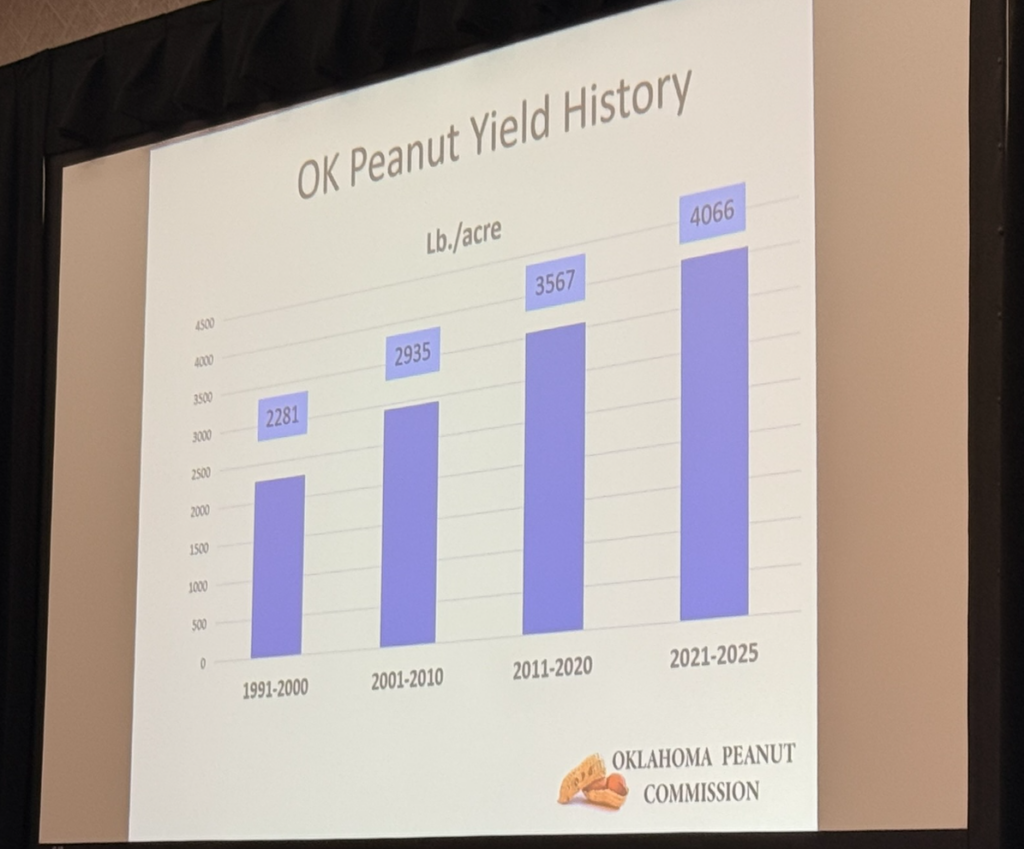
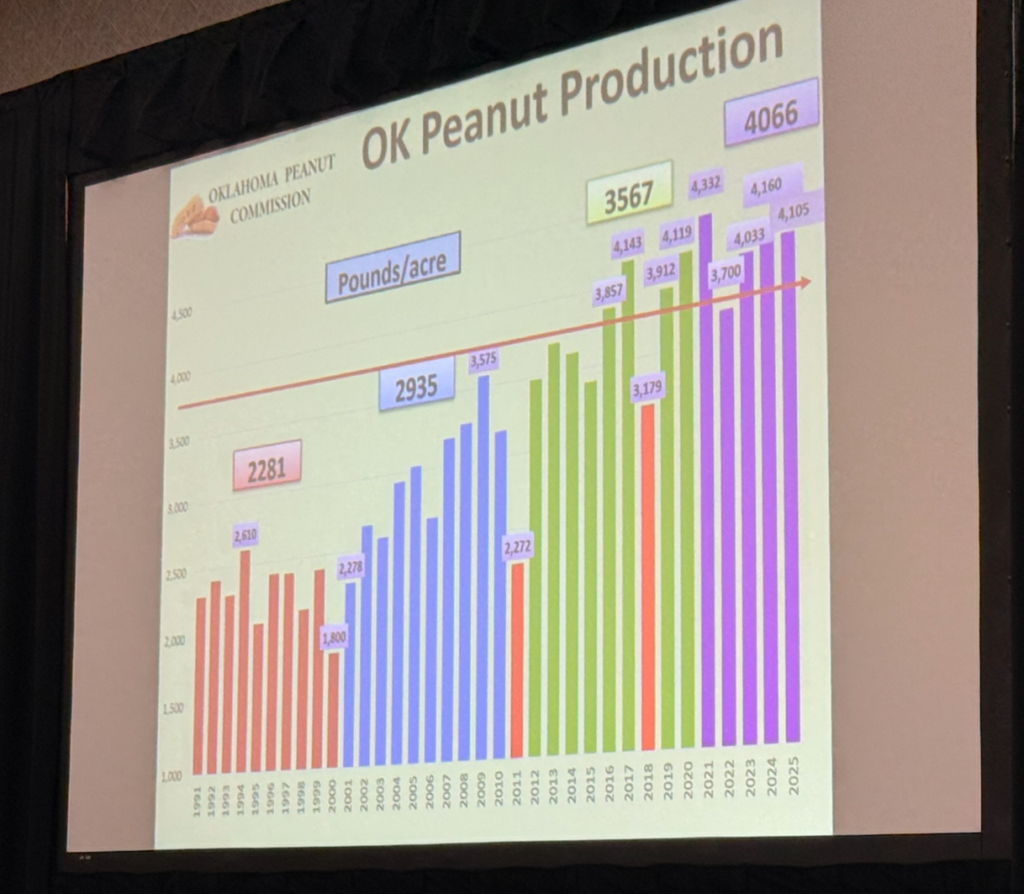
Oklahoma growers saw impressive numbers in 2025, maintaining a five-year streak of solid yields. Despite the challenges of the region’s climate, the state averaged roughly 4,105 pounds per acre.
“We ended up with a two-ton county-statewide average… and that’s pretty good,” Nowlin remarked. “Our growers do an amazing job. They’re very conscientious that we produce a safe, high-quality peanut.”
Currently, Oklahoma maintains between 17,000 and 19,000 acres of peanut production. While this is significantly lower than the 100,000 acres seen prior to the 2002 program changes, the focus has shifted toward premium quality rather than sheer volume.
The Oklahoma Quality Advantage
One of Oklahoma’s secret weapons is its soil and water composition. While other regions often struggle with “hollow heart”—a condition caused by boron deficiency—Oklahoma’s natural resources provide a built-in solution.
“Our irrigation water just naturally has a little boron in it, so when they water, they solve that issue,” Nowlin explained.
Additionally, the state’s rigorous three-year crop rotation strategy keeps disease and insect pressures much lower than those in major southern growing hubs like Georgia. This translates to a cleaner, more reliable product for manufacturers.
Adapting to a Changing Market
The peanut industry is currently witnessing a shift in consumer and manufacturing demand. Historically, Oklahoma has grown the Runner peanut, the staple for peanut butter. However, the market is pivoting toward specialty varieties:
- Spanish Peanuts: Favored for their rich flavor and small size, making them ideal for candy bars.
- Virginia Peanuts: The “ballpark” peanuts known for their large size and snack appeal.
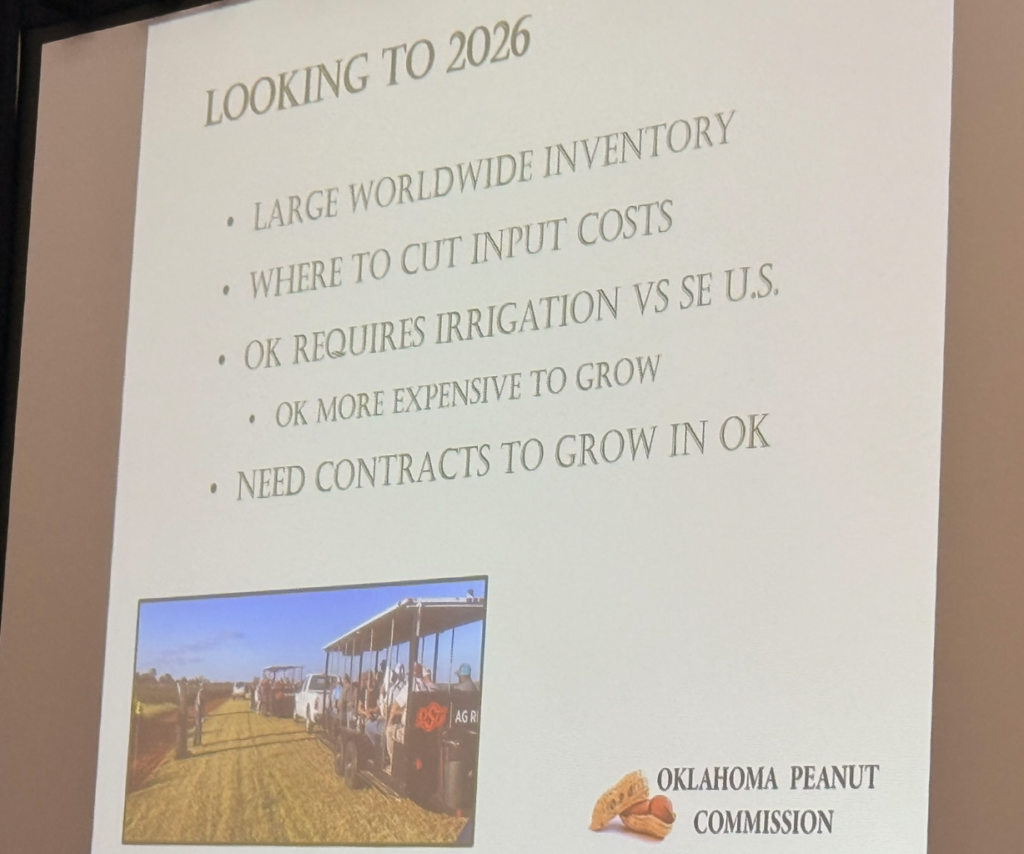
Nowlin noted that while low commodity prices may lead to a slight decrease in acreage for the 2026 season, the final outlook won’t be clear until contract prices and demand are finalized in the spring.
Looking Toward the Future
Oklahoma’s position on the “north edge” of the peanut belt presents unique challenges, specifically the need for shorter-season varieties. Nowlin highlighted the critical role of organizations like the USDA ARS and private companies like ACI in developing varieties that can thrive in a shorter window.
While the industry awaits the 2026 season to take shape, Oklahoma growers’ commitment ensures the state remains a vital player in the high-end peanut market.