Agricultural Policy Update: Navigating the 2026 Landscape
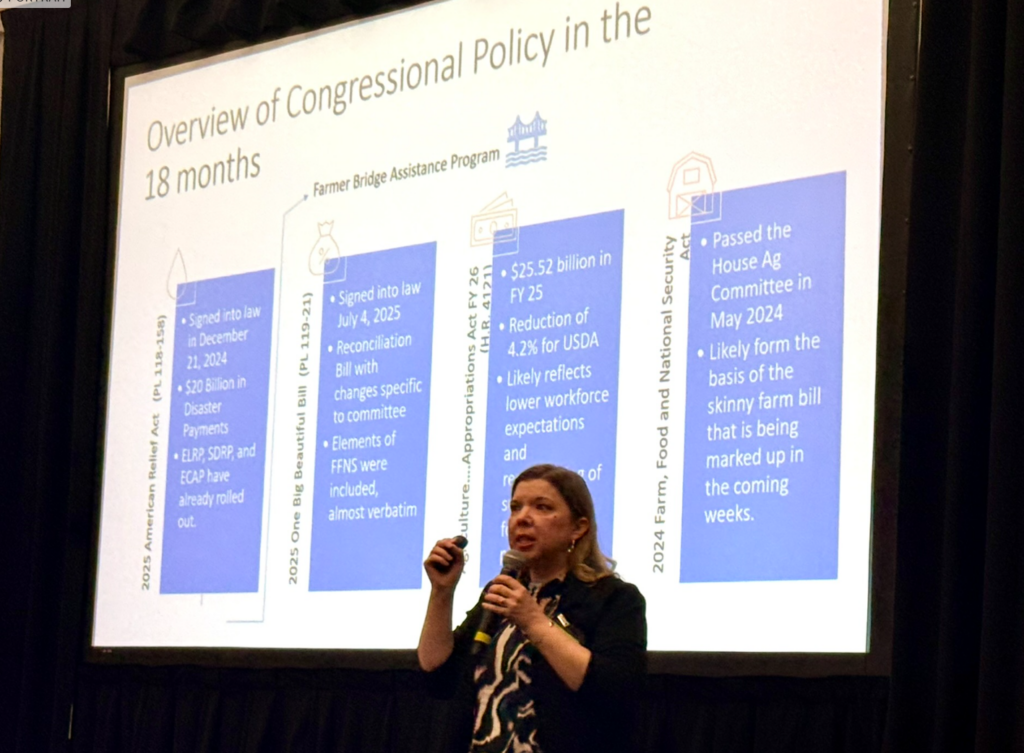
The agricultural policy landscape has undergone significant shifts over the past 18 months, driven by legislative changes and administrative reforms that are reshaping how producers interact with the USDA. Radio Oklahoma Ag Network Farm Director KC Sheperd recently sat down with Dr. Amy Hagerman, an agricultural policy specialist at Oklahoma State University, to provide an informative breakdown of these developments and their implications for farming operations.
The Shift Toward Automation
A key trend emerging from recent legislative actions, including the latest Appropriations Bill, is the USDA’s move toward a more automated and “streamlined” approach. Dr. Hagerman indicates to KC Sheperd that this shift will fundamentally alter the traditional producer-agency relationship.
Producers should expect less face-to-face interaction at service centers. Consequently, it is becoming increasingly essential for operators to schedule specific appointments for their business rather than relying on the ability to “pop in” while in town. Dr. Hagerman suggests that as staffing levels at service centers potentially decrease, setting aside dedicated windows of time for administrative tasks will be a necessary adjustment for many.
Increased Speed and Preparation Challenges
While automation is intended to increase the speed of program rollouts, it presents a new set of logistical challenges. Shorter windows for application and completion could coincide with critical periods such as calving or planting seasons, making it more difficult for producers to balance fieldwork with administrative requirements.
However, the move toward technology also offers potential benefits. Dr. Hagerman anticipates a rise in pre-filled applications and payments calculated directly through updated records. Because of this, she stressed to Sheperd that maintaining complete and current documentation at the local office is now more critical than ever to ensure that automated processes function correctly and payments are issued without delay.
The Role of the “Skinny” Farm Bill

As the industry looks toward the potential “Skinny Farm Bill” in 2026, several programs remain vital for regional operations. Key areas of focus discussed by Sheperd and Hagerman include:
- Conservation Reserve Program (CRP): Continued authorization and management of enrolled acres.
- Trade Promotion: Funding to maintain and expand international market access.
- Farm Credit: Adjustments to loan limits to reflect rising input costs.
- Base Acre Updates: A significant “one-time” opportunity to add up to 30 million new base acres nationwide.
For cotton producers, the issue of base acres is particularly pressing. Dr. Hagerman highlights that bringing unassigned base acres—which have been ineligible for many programs since 2018—back into production is a critical goal for the state’s industry.
The Legislative Path Forward
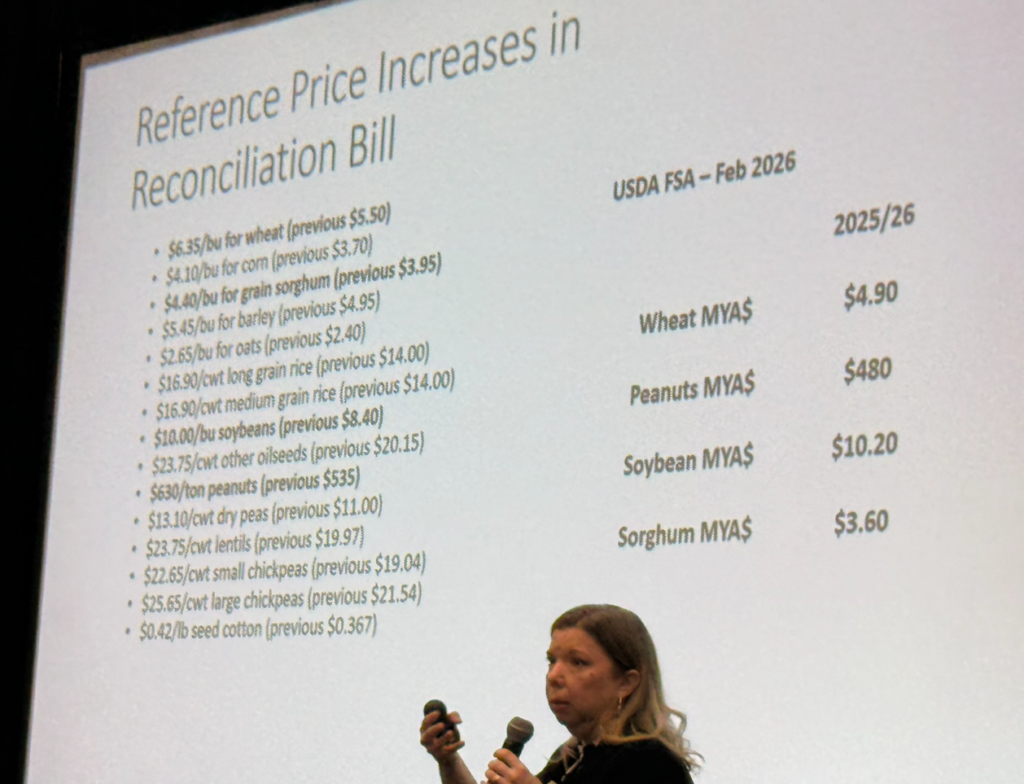
While the introduction of a markup early in the year is a positive signal, the path to a final bill remains lengthy. The proposed Farm, Food, and National Security Act of 2026 must navigate various legislative hurdles before reaching the President’s desk for signature. Dr. Hagerman notes that while many contentious issues are being debated, the focus remains on providing a stable safety net for producers facing softening commodity markets and higher production costs.