NFU President Rob Larew Calls for Radical Overhaul of Farm Bill Safety Net:
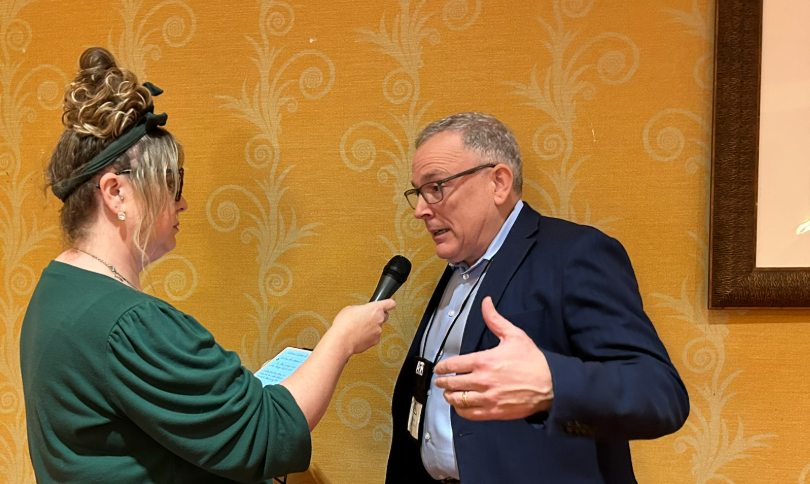
The House Agriculture Committee’s recent markup of the Farm Bill is a significant step, but National Farmers Union President Rob Larew emphasizes that there is still a long way to go before reaching the finish line. In a discussion with Farm Director KC Sheperd, Larew shares his insights on the current state of agricultural policy, the necessity of a more robust safety net, and the challenges facing American farmers and ranchers.
A Long Road Ahead for the Farm Bill
Larew acknowledges the efforts of the House Agriculture Committee but stresses that the process is just beginning. “We are still a long ways away from getting across the finish line,” he says. “It is, of course, a start… but the fact is that it’s also going to give all of us a chance to talk about what’s actually happening out on the ground and what farmers and ranchers need right now.”
The Inadequacy of the Current Safety Net
The conversation highlights the inadequacy of the current safety net in the face of rising input costs. Larew points to the necessity of ad-hoc assistance packages as evidence that the existing system is not sustainable. “I don’t know a farmer or rancher out there who wants to rely on these kinds of assistance,” he notes. “We should use this opportunity with a Farm Bill to actually get down to the heart of it and get a safety net in there that makes sure that farmers and their families can stay on the land.”
Responsiveness of Disaster Programs
When asked about the responsiveness of disaster programs, Larew expresses concern that help often arrives too late. “We’re so grateful when there is assistance that comes after a disaster, but it never comes fast enough,” he explains. He advocates for integrating ongoing disaster assistance into the Farm Bill to ensure support is available when it is most needed.
Stability in the Cattle Market
While cattle prices are currently strong, historically low cow numbers present long-term stability concerns. Larew suggests that this is an opportune time to address monopoly power in the packing sector and implement mandatory country-of-origin labeling. “Consumers want to know where their beef is coming from,” he asserts. He emphasizes the need for a market that supports U.S. farmers and ranchers over the long term.
Addressing Monopoly Power and Competition
Larew expresses frustration with the lack of progress in addressing monopoly power in agriculture. He notes that while there has been talk about the issue, recent dismissals of top officials in the Department of Justice’s antitrust division suggest a step backward. “We need more than talk,” he says. “I feel like we’re going backwards right now and that’s not the direction we need to head.”
Prioritizing Strong Prices and Diverse Markets
Regarding trade policy, Larew believes the focus should be on ensuring strong prices across all markets, including domestic and value-added options. “The more that we can spend attention in that space and less on just making sure that we can sell product at a loss overseas is going to get us in a better direction,” he suggests.
The Need for Bipartisan Solutions
Despite the current political climate in Washington, D.C., Larew believes there is a common ground in the recognition that the current agricultural system is not working. “The current system isn’t working,” he states. “I’ve heard southern ag economists… I’ve heard northern crop economists who are saying it ain’t working, we need to fix it. And I think that if we can all get behind that, we can do better.”