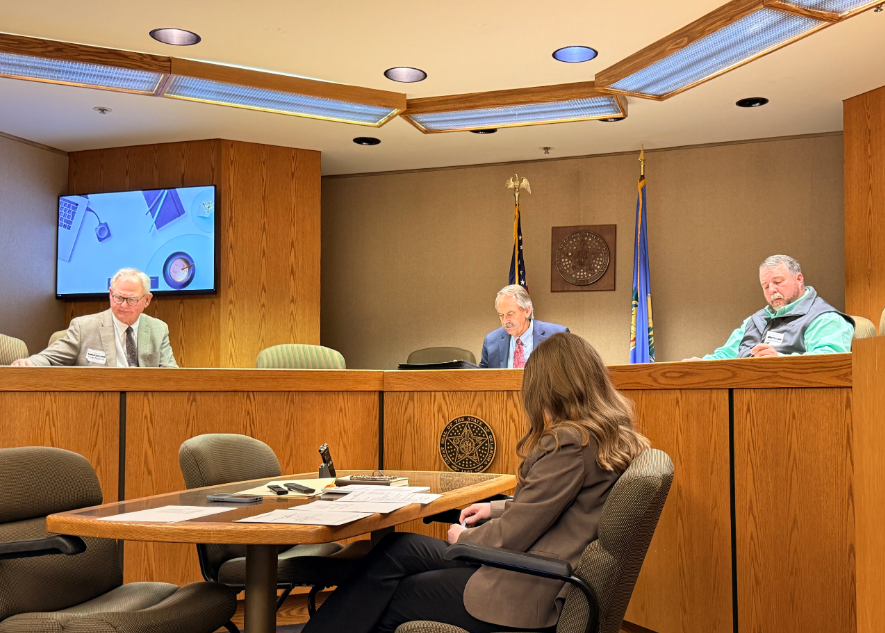
State officials say drought conditions continue to worsen across Oklahoma, prompting renewed discussion at a recent drought commission meeting about how much relief funding remains available. Trey Lam with the Oklahoma Conservation Commission outlined where the state stands financially. Lam said the commission has just wrapped up its third round of drought programming and noted, “Out of the original $64.5 million that was appropriated over several years, we have $16.1 million left in the balance.” He added that those remaining funds will guide the next phase of assistance.
Lam said producers will soon have another opportunity to apply for help. “We’ll open up the application period the second week of March, on March 9,” he explained. Most of the funding will focus on water-resource projects such as “water wells, pasture taps, pumps, pond cleanouts,” practices Lam said remain popular and will be available statewide.
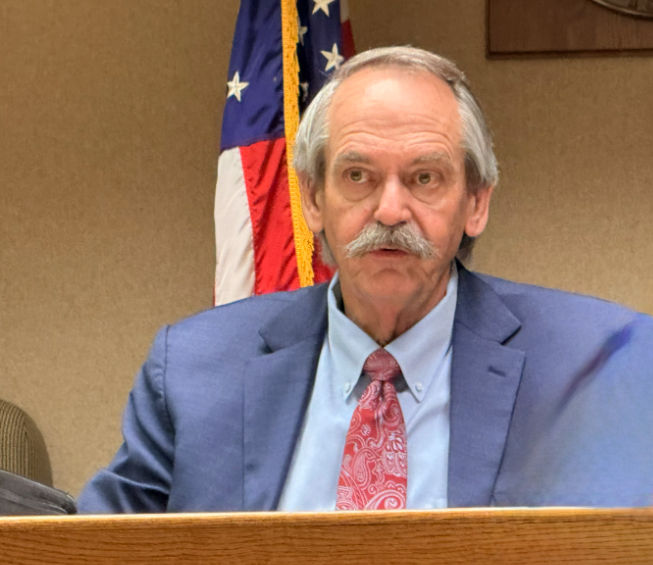
Lam emphasized that producers who invested in water infrastructure earlier are now better positioned. “If you drilled a well or put in a tank and had water or cleaned out your pond, you captured water last summer before the drought really started,” he said. Because of that preparation, he noted, “We’ve seen the number of applications go down a little bit” in recent rounds, even as the current drought expands across south-central, southwestern, northwestern, and northeastern Oklahoma.
When asked whether additional money is coming, Lam said the remaining $16.1 million is essentially rolling over. “It was set aside by the legislature to be available to the emergency drought committee,” he said, adding that the intent was to have resources ready even when lawmakers are not in session. Given current conditions, Lam noted, “We’re going to use everything that is in reserve,” with future funding decisions left to lawmakers.
Lam also stressed the importance of moving toward a more permanent, proactive drought assistance program rather than reacting only when conditions become critical. He explained that conservation districts often face a flood of applications during drought emergencies, even though many districts have just one staff member handling site visits, paperwork, and inspections. “If you wait until you’re out of water, you have to start hauling water, move your cattle, or sell your cattle,” Lam said. He added that spreading projects out over both wet and dry periods could ease pressure on contractors like water-well drillers and help producers stay ahead of future droughts, ultimately “preventing liquidation of the cattle herd.”
Lam also offered guidance for applicants and stressed the need for long-term planning. Producers should consider where water gaps exist, because “we don’t really want to put two water supplies in the same pasture,” he said, while also warning about long waits for water-well drillers. Ultimately, Lam said the goal is a more permanent, proactive program: “If you wait until you’re out of water, you have to start hauling water, move your cattle, or sell your cattle.” Spreading projects across wet and dry periods, he added, could “prevent liquidation of the cattle herd” in future droughts.