Oklahoma Wildfire Alert: Critical Fuel Levels Override Weather Patterns
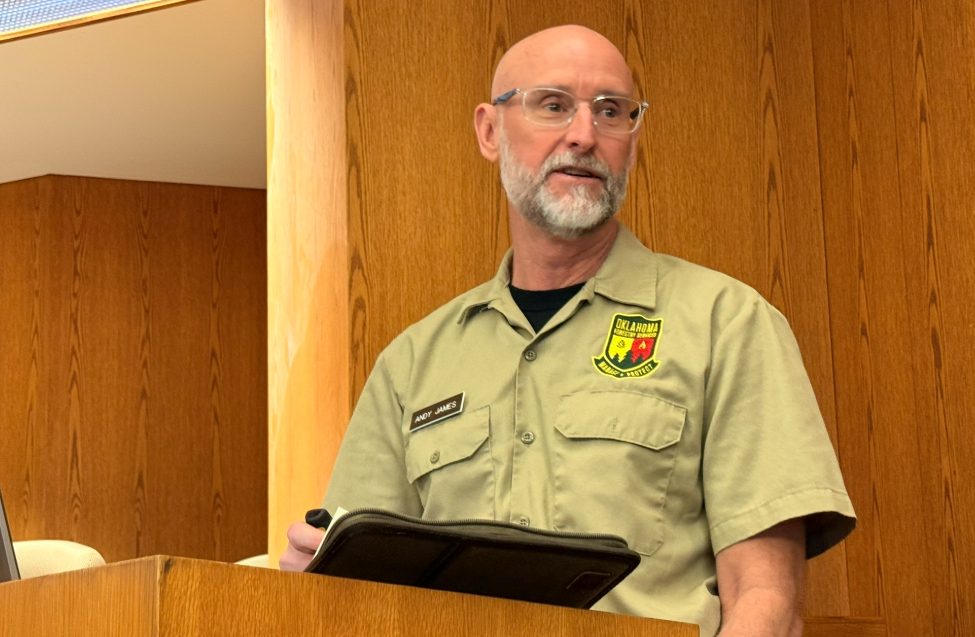
Oklahoma is currently facing a volatile wildfire season, with the state’s natural “fuels”—grass, brush, and timber—reaching a tipping point. Farm Director KC Sheperd had the opportunity to visit with Andy James, Fire Management Chief for the Oklahoma Forestry Services, who said these fuels are so dry that they are now the primary driver of fire behavior, often overriding traditional factors such as daily weather and topography.
The “Point of No Return” for Oklahoma Fuels
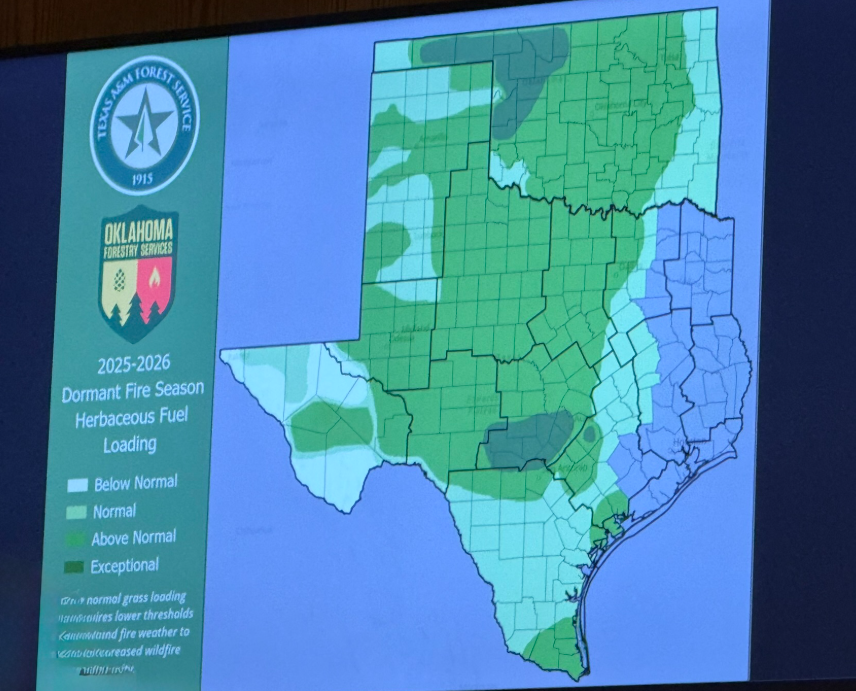
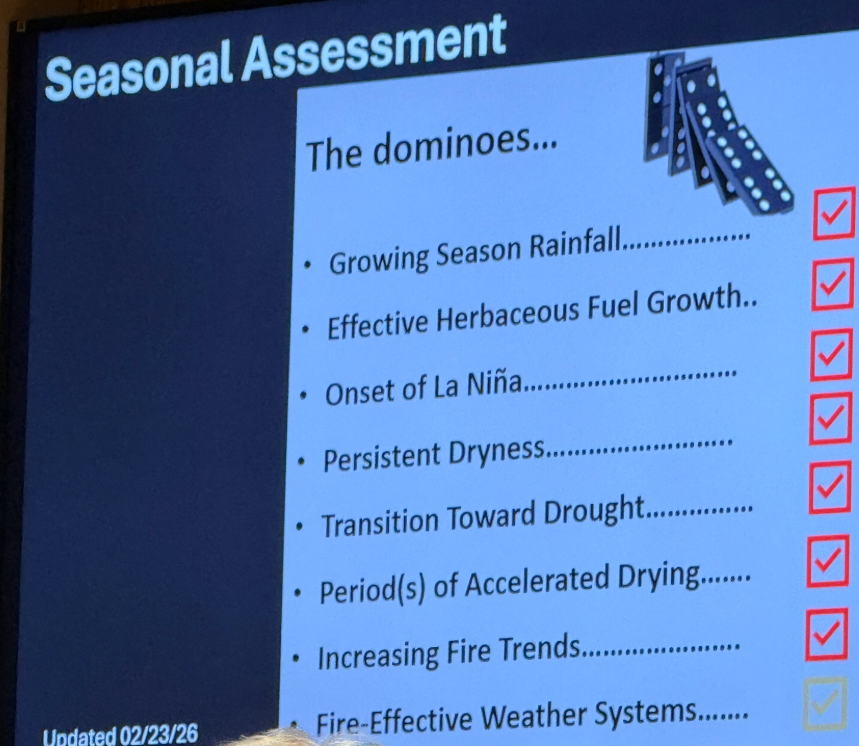
Despite record-setting rains in July 2025, the moisture “completely shut off” in the fall, leading to a rapid drying of vegetation across the state. The Forestry Department monitors these levels through fuel plots scattered across Oklahoma to assess the moisture content of various materials.
“We often times talk about those [fuels] getting to a point of no return where they override the weather, they override the fire environment, and that’s exactly where we’re at,” James noted.
Common wildfire fuels in the region include:
- Grass and Shrub: Fast-burning materials that spread fire quickly.
- Timber and Leaf Litter: Heavier fuels that burn longer and hotter.
- Red Cedar: Highly flammable trees that contribute to intense fire behavior.
When fires transition from the ground into the “crowns” or tops of trees and structures, they become significantly more dangerous and difficult to suppress, even with heavy equipment and aircraft.
Oklahoma’s Rising National Fire Ranking
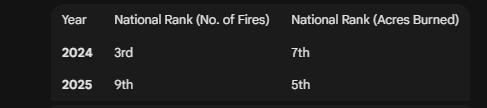
The scale of Oklahoma’s wildfire problem is often underestimated. Data from recent years shows the state consistently ranking among the highest in the nation for both the frequency of fires and the total acreage burned.
“We have a huge wildfire problem in the state,” James said, emphasizing that a collaborative effort between the Office of Emergency Management, the Department of Public Safety, and the Oklahoma National Guard is essential to manage these annual crises.
Prevention and Emergency Preparedness
Most wildfires in Oklahoma are caused by human activity, ranging from dragging trailer chains on highways to conducting controlled burns on high-risk days. James urged residents to refrain from burning trash or brush during elevated fire conditions.
For producers and landowners, preparation is the best defense against property and livestock loss.
Key safety recommendations include:
- Immediate Notification: Call 911 at the first sign of smoke. Success in Oklahoma relies on “early detection and quick response.”
- Water Infrastructure: Ensure hoses are connected and accessible so fire departments can quickly refill engine tanks.
- Defensible Space: Move flammable materials away from barns and homes.
- Livestock Planning: Have a predetermined plan for moving cattle or poultry before a fire is imminent.
“Don’t try to do this when the fire is bearing down,” James advised. “Do it well ahead of time.”