Innovative Drone Technology Aims to Protect Oklahoma Schools from Active Threats
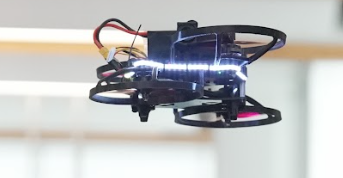
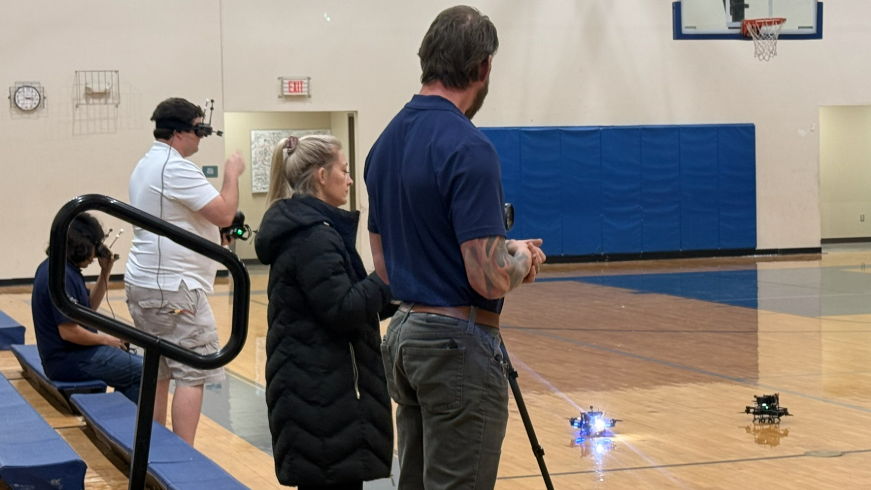
Farm Director KC Sheperd recently observed a high-tech school safety demonstration at Deer Creek Schools involving Campus Guardian Angel, a company providing a unique, drone-based tactical response to active threats with innovative drone technology. While school safety may seem a world away from the daily operations of a farm or ranch, the security of children in rural districts is a top priority for Oklahoma’s agricultural families.
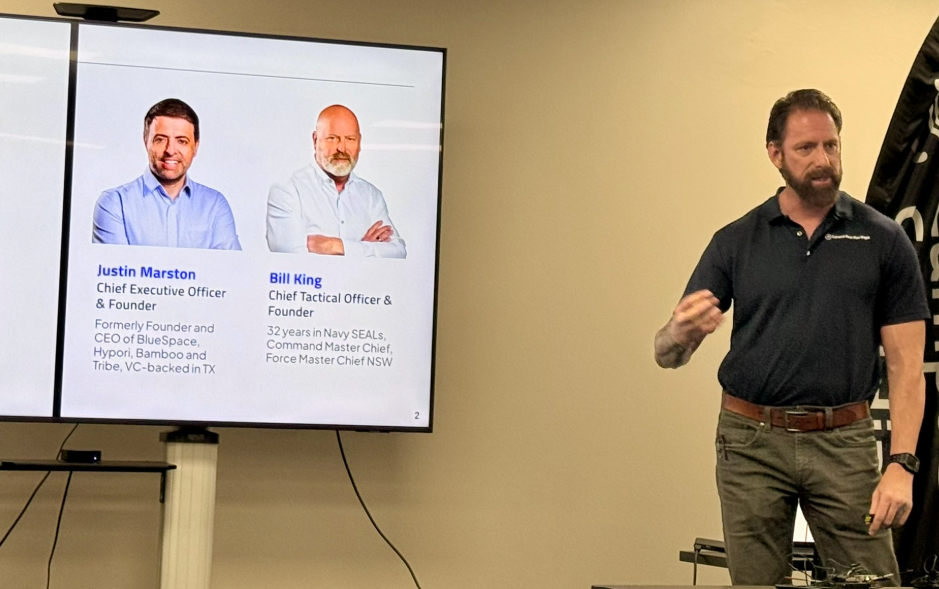
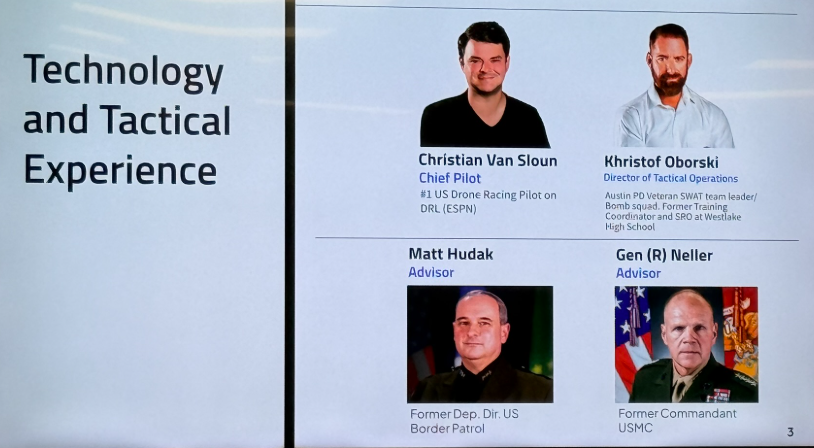
Sheperd sat down with Khristof Oborski, Director of Tactical Operations, followed by CEO and Founder Justin Marston, to discuss how military-grade technology is being implemented to protect students.
A Tactical Approach to Campus Safety
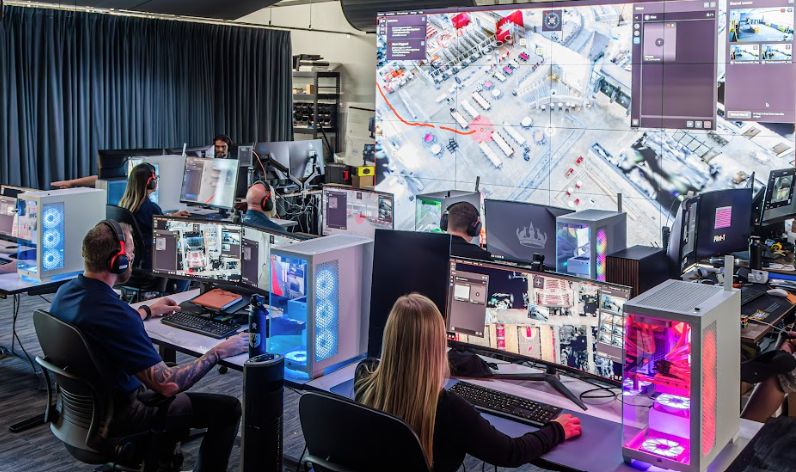
Khristof Oborski, who brings a background in law enforcement and experience as a School Resource Officer (SRO), explained that the system is designed to shrink the massive problem of securing large school campuses. By using 3D mapping and geolocation, the team can isolate a threat within a manageable section of a school.
“The drones beforehand are pre-placed in strategic locations around the school,” Oborski explained. “We want to be able to be on the shooter within 15 seconds of verifying that it’s a legitimate threat.”
Oborski detailed the drones’ capabilities for deterrence and intervention:
Human-Driven Precision: These are not AI-driven; they are flown by world-class drone racing pilots.
Expert Oversight: Every event is overseen by individuals with decades of SWAT or tier-one military experience to determine if force is necessary.
Less-Lethal Effects: The drones can deploy pepper spray or use kinetic force. “The drone weighs a couple of pounds, and it’s pretty quick. So it’s like getting hit with a baseball bat,” Oborski stated.
Immediate Confrontation: Oborski highlighted the core mission: “We all know that the sooner you confront an active shooter… that’s when the killing stops.”
Military Precision in the Hallways
CEO Justin Marston shared that the idea for the company was inspired by the effectiveness of small drones in modern conflict zones. He co-founded the business with a Navy SEAL veteran of 32 years who helped lead the Predator drone program.
“It’s kind of like having a SEAL team or a SWAT team in the parking lot of every school, just in case you need it, and we hope you never do,” Marston said.
Marston emphasized that the system is designed to provide an immediate advantage to those on the front lines:
Close Air Support: “Our goal is to make every SRO (School Resource Officer) feel like an Avenger because they’ve got close air support all around them,” Marston stated.
Protecting First Responders: “We’re happy to go first… because we’re a lump of plastic. We don’t care if we get shot,” Marston added, noting that the drone can enter a room and disorient a suspect before officers arrive.
Reducing Trauma: During lockdowns, a liaison provides real-time updates to staff. Marston noted that without this, teachers are often left in the dark for nearly an hour: “If there had been… a liaison that’s giving that information to teachers in real-time, they wouldn’t have PTSD today.”
Intervention: Pepper Spray and Kinetic Force
When a threat is verified, the drones are equipped to deliver immediate, less-lethal effects to disorient and stop an attacker. Oborski explained that if a suspect is actively looking for targets or trying to hurt people, the pilot can deploy specific tactical measures.
Gel-Based Pepper Spray: The drones can deploy a gel-based pepper spray directly at the intruder to impair their vision and breathing.
Kinetic Impact: If chemical deterrents are not enough, the drone can be used as a physical projectile. “The drone weighs a couple pounds, it’s pretty quick. So it’s like getting hit with a baseball bat,” Oborski stated.
Flashbang Capabilities: While the primary goal is disorientation, the system’s ability to create sudden noise and light serves as a “less-lethal weapon at a distance,” allowing the drone to take the lead so officers don’t have to.
Accessibility for Rural Districts
Understanding that public and rural schools often face tight budgets, Marston highlighted the system’s cost-effectiveness, noting that the service averages between $4 and $8 per student, per month.
“We’ve purposefully tried to get the cost of the hardware down, the cost of the service down, so it’s not just a service for elite private schools,” Marston concluded. “This is a service that every child in America can benefit from.”
Campus Guardian Angel is currently seeking pilot sites in Oklahoma to demonstrate the system’s effectiveness.
For More Information
For those interested in seeing the technology in action or learning more about implementing the program in their local district, more information is available at the company’s website:
Action Steps: Parents and administrators are encouraged to contact their local school boards or superintendents to request a demonstration for their district.