For farmers and ranchers in the Southern Plains, staying ahead of drought is one of the most critical aspects of their operations. Hugh Aljoe, Director of Ranches Outreach and Partnerships at the Noble Research Institute, emphasizes in today’s beef buzz with Senior Farm and Ranch Broadcaster Ron Hays that success begins with a firm grasp of your environment.
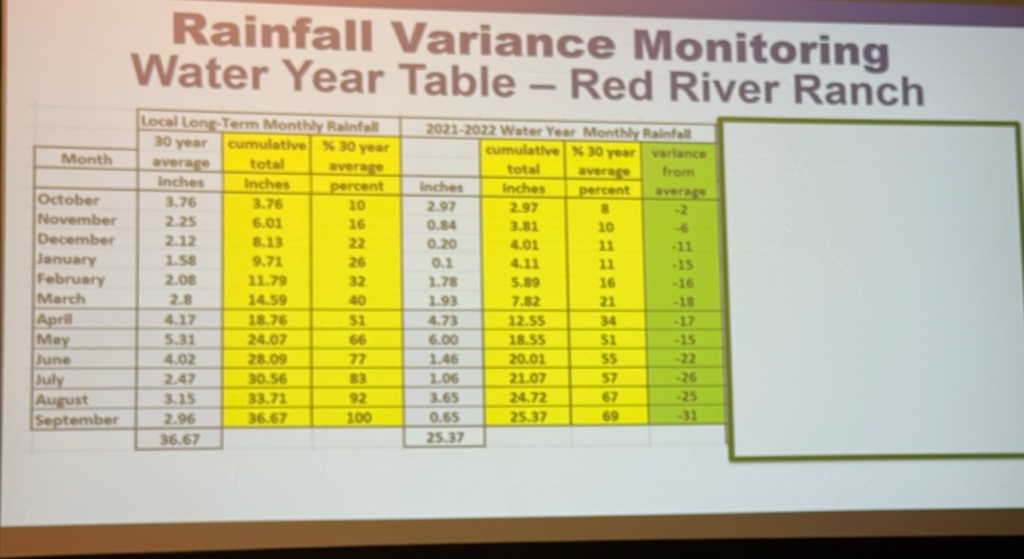
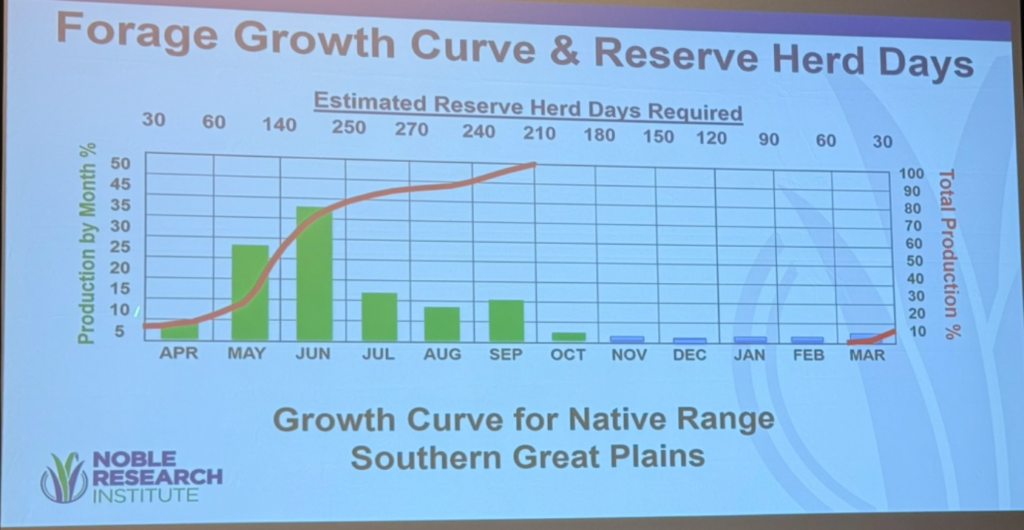
Aljoe suggests using a “water year table” to track historical rainfall, specifically focusing on the dormant season, which is usually from October through March, to see how the soil is recharging. “First, how dry are we, or how wet we are, because that’s going to give us an indication of what that initial growth could look like in the spring,” Aljoe explains. He notes that May and June are the make-or-break months for forage, warning that if you don’t get moisture then, “I’m probably not ever going to get it the rest of the year.”
Once a producer understands their water and potential forage, the focus must shift to matching those resources with the livestock. Aljoe recommends using the “herd day” concept as a simple way to inventory standing forage. A herd day is simply one day’s worth of feed for your specific group of cattle. By walking through each pasture and doing a little “mental math” on how many days of grazing are left in a specific area or pasture while still maintaining a healthy residual, a farmer can create a clear tally of their feed bank. Aljoe asks producers to consider: “if the grass stopped growing today, how many days could that existing grass last you?”
Improving the bottom line requires a clear-eyed look at what it actually costs to run the ranch. Aljoe identifies cutting overhead costs—such as land, labor, and equipment — where you can spare them as a primary driver of profitability. He points to Noble’s own shift away from hay equipment as an example of removing unnecessary expenses. “At Noble, we don’t need our hay equipment anymore. Imagine how much that’s cut out.
“How do you cut out of it? Or how can you change a management where you don’t need it anymore,” Aljoe challenges. By reducing these “common denominators,” ranchers can lower the baseline costs that eat into their margins before the first calf is even sold.
Aljoe stresses that true profitability should be measured by the acre rather than just by the head. To increase gross margins, ranchers must account for direct costs like feed, fertilizer, and vet bills while accurately valuing their inventory. “It needs to be on a per-acre basis. It needs to be gross margin per acre,” Aljoe says. He explains that by understanding forage supply and enterprise profitability, producers can find ways to “increase turnover,” whether that means moving more animal units through the system or identifying which specific parts of the operation are actually generating a return on the land.
The Beef Buzz is a regular feature heard on radio stations around the region on the Radio Oklahoma Ag Network and is a regular audio feature found on this website as well. Click on the LISTEN BAR for today’s show and check out our archives for older Beef Buzz shows covering the gamut of the beef cattle industry today.