Market Volatility and Planting Forecasts: Navigating Global Uncertainty
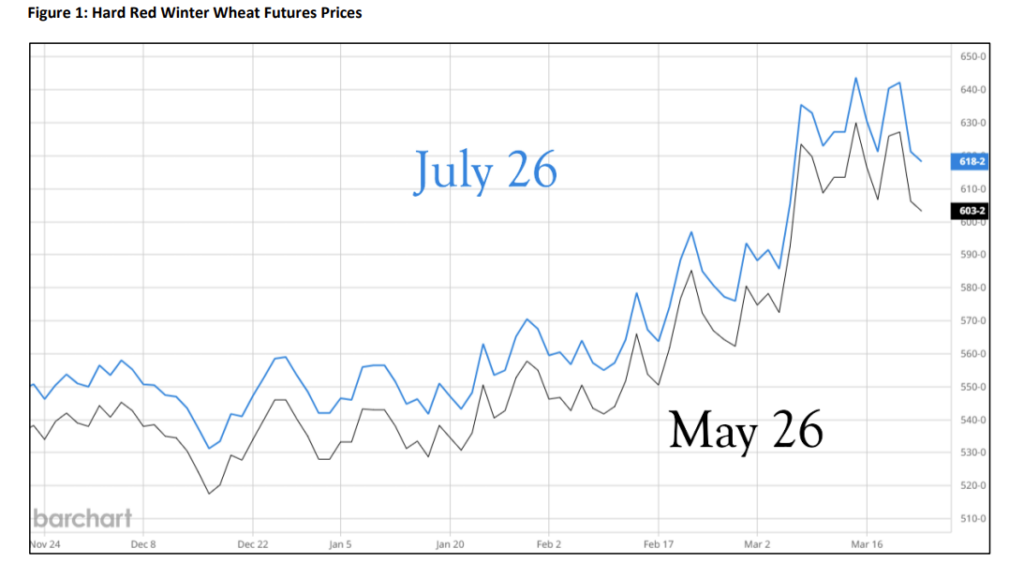
Wheat and grain markets are facing a landscape of intense market volatility and planting forecasts, driven by geopolitical tension and domestic weather concerns. OSU Crop Marketing Specialist Dr. Todd Hubbs recently joined Farm Director KC Sheperd to break down the factors currently swaying the agricultural complex, ranging from conflict in the Middle East to impending USDA reports.
Geopolitical Pressures and Energy Prices
The ongoing instability in the Middle East continues to be a primary driver of market fluctuations. According to Dr. Hubbs, this conflict has created ripples of volatility that affect everything from hard red winter wheat to essential farm inputs.
“Everything’s still hinging on the conflict in the Middle East. We’ve seen a lot of volatility across the ag complex—up and down.”
A major concern for producers is the “sticky” nature of input costs, particularly fuel and fertilizer. While futures markets might respond quickly to a potential resolution, the physical costs of running a farm are likely to remain high for the foreseeable future.
“I think the physical input prices are probably going to be pretty sticky. Diesel prices are probably going to remain elevated; fertilizer prices are probably going to remain elevated for a lot longer than we’ll see in our futures markets if we do get a resolution to this.”
Drought and the Winter Wheat Outlook
Closer to home, weather conditions are a growing concern for the Southern Plains. Dr. Hubbs noted that winter wheat in drought has risen to 57%, leading to expectations that harvested acreage may fall below the typical 8 million acres.
“I think we’re probably going to see lower than normal winter wheat acres harvested… It’s just extremely dry. We’re supposed to get some precipitation early April… but it looks like it’s tracking like the previous ones did through Oklahoma and we’re going to be stuck with some dryness west of I-35.”
Anticipating the March 31st Reports
The agricultural community is looking ahead to the USDA reports scheduled for release on Tuesday, March 31st. These reports will provide the first farmer-survey-based estimates for planted acres and updated grain stocks. Hubbs is particularly interested in the corn stocks and the “feed residual” numbers.
“The real question’s maybe corn… We’re going to get another indication if that’s maybe a bit too high. I hope it’s not, but I believe it is. So I think that’s where the action will be, and it could spill over from corn into wheat markets if it’s bearish.”
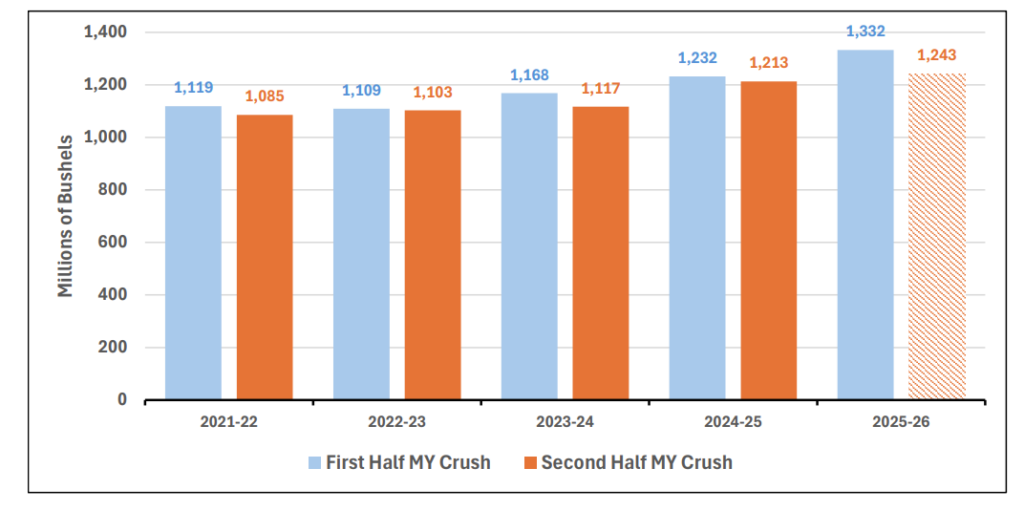
Regarding soybeans, Dr. Hubbs believes the USDA’s crush forecast remains too low, especially with new Renewable Volume Obligations (RVO) coming into play.
“We’re crushing at a record pace… and with this renewable volume obligation announcement… you’re going to see some really strong soybean oil use numbers and you’re going to see some really strong biodiesel production numbers.”
Advice for Producers
In such an erratic environment, Dr. Hubbs suggests that producers focus on their individual bottom lines rather than trying to perfectly time a volatile market.
“A good price is what’s a good price for each individual person. What does it cost for me to produce this crop? Can I get a price reserved that’s more than that and makes me profitable? If you can, that’s a good price.”
He recommends that farmers keep their bids current to take advantage of sudden price spikes that can occur overnight during periods of high volatility.