Oklahoma Wheat Facing Steep Challenges as Moisture is Just Crucial
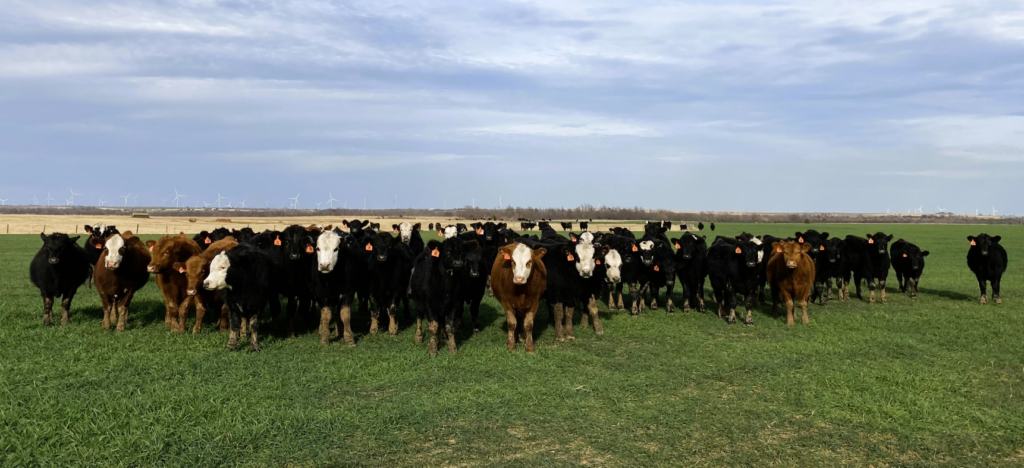
Pic courtesy of OSU Wheat
The 2026 Oklahoma wheat crop is facing a pivotal moment where moisture is crucial to prevent further abandonment across the state. OSU small grains specialist Dr. Amanda Silva recently sat down with Farm Director KC Sheperd to discuss a season defined by “thermal shock,” where temperatures swung from freezes to 90-degree heat in a single week. While some fields in Southwest Oklahoma and the Panhandle have already been adjusted because the wheat simply won’t make it, Silva notes there is still hope for other regions if the “million-dollar rain” arrives soon.
A Season of Extreme Volatility
The combination of drought and temperature spikes has forced the crop to develop at an unnatural pace, leaving it vulnerable.
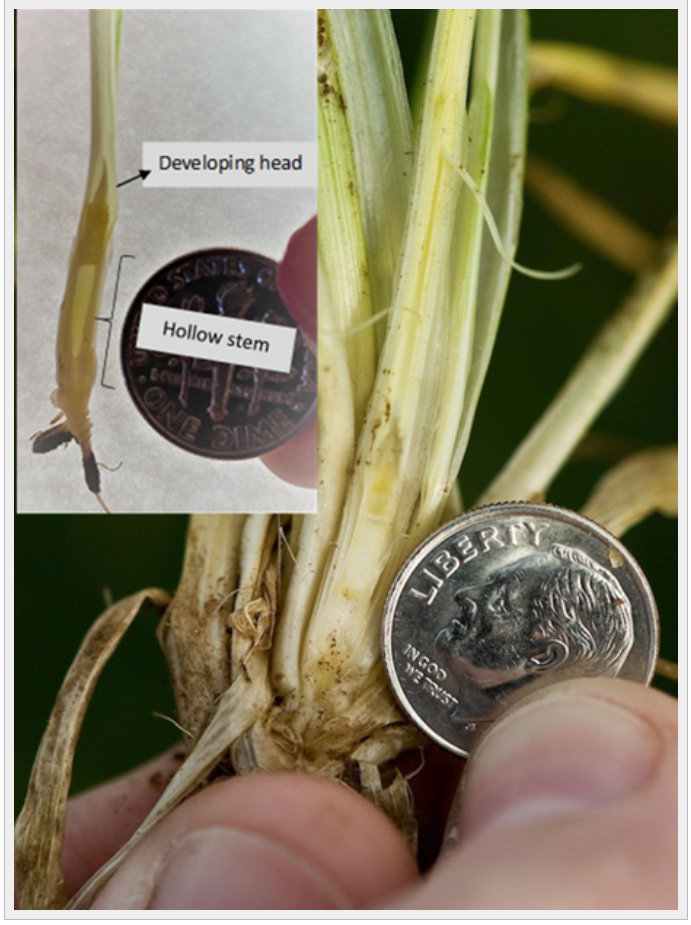
The latest FHS results from OSU forage trials in Stillwater (Table 1) and Chickasha (Table 2) are listed below. For an additional resource and wheat update on FHS, see the Mesonet First Hollow Stem Advisor.
“We are really ahead of schedule for the most part that we’ve seen. First hollow stem was earlier, we’re seeing our crop already at this point… we’ve been seeing flag leaf emerging already… some very early maturing might be heading here in the next five days or so. And that is not a good thing for us because that crop is just hurrying to finish because it’s just so stressed.”
Dr. Silva explained that the timing of these weather shifts has been particularly “crazy,” affecting how the plants recover from earlier freezes.
“One of the things that we see when a crop experiences a very harsh condition like a freeze, the weather condition right after it could influence how that crop recovers. And so going from that freeze to the high temperatures like we did is not helping our crop, sadly.”
Variety Performance and Planting Dates
While Oklahoma State University boasts several top-tier varieties, Silva stressed that even the best genetics have limits when environmental stress is this high.
“I do think yes, we may have a genetic component on how varieties will hold that drought stress, but for the most part what we’re seeing here in Oklahoma is maturity… with the early maturing varieties maybe suffering a little bit more, as well as planting date. Those very late planted wheat never had moisture to really establish well.”
Pest Pressure in Dry Conditions
The lack of rainfall has created an ideal environment for pests that typically plague dry fields, requiring producers to be extra vigilant.
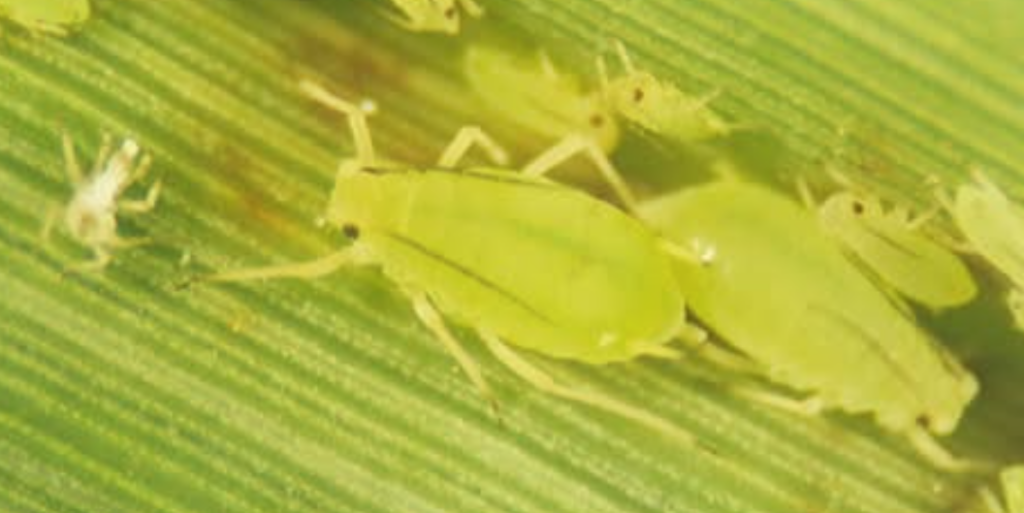
Green bugs (pic from OSU Small Grains facebook page)
“If they start seeing yellowing in their fields, I would say for them to take a look, walk their fields… it could be greenbugs, it could be the brown wheat mites, which they thrive in dry conditions. And usually in Oklahoma, when we have these conditions, we tend to see the brown wheat mite.”
Direct Support via Group Text
To help producers navigate these challenges, Dr. Silva and the wheat improvement team have launched a direct communication tool to bridge the gap between the lab and the field.
“It’s a group text that we as the wheat improvement team and extension specialists, we have developed to communicate with farmers. As soon as we have a report, we’ve seen something that is urgent… they receive that as a text message on their phone. They send me pictures so I can see how their field look like and actually to diagnose some of the things that they see.”
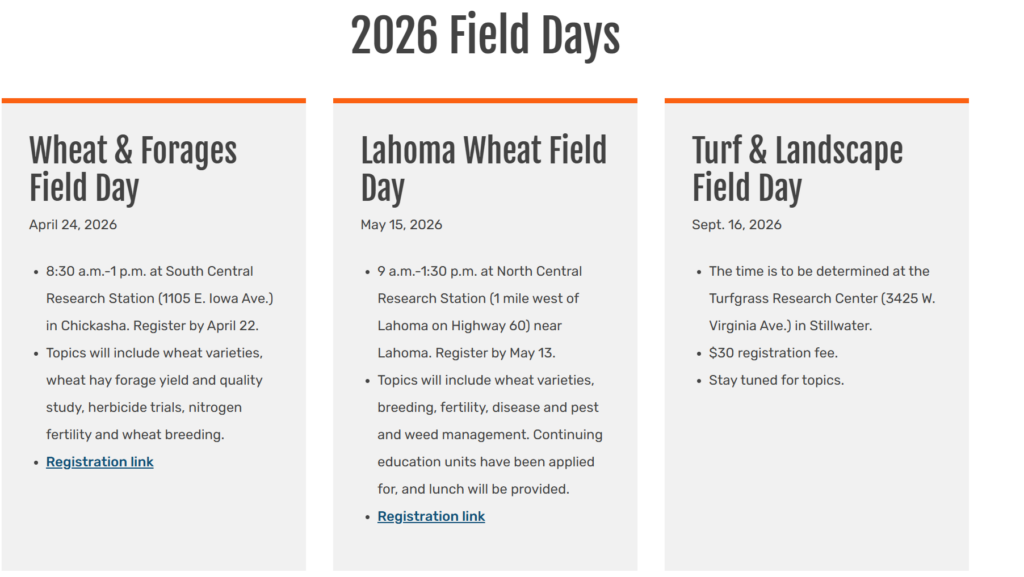
Producers can join this network by texting the word “WHEAT” to the OSU team. This real-time data will be vital as the industry prepares for the upcoming Wheat Field Day in Lahoma, where researchers will showcase how different varieties are standing up to this year’s historic stress.