Based on a presentation by Jennifer Patterson, Payne county extension educator at the March 2026 Horse Owners Workshop
Effective pasture management is essential for maintaining both equine health and long-term forage productivity. While pastures can serve as a primary source of nutrition for horses, doing so successfully requires thoughtful planning, consistent monitoring, and an understanding of how horses interact with their environment.
Unlike other grazing livestock, horses present unique challenges due to their selective grazing habits and pasture use patterns. Recognizing and managing these behaviors is the foundation of a productive and sustainable system.
Understanding Horse Grazing Behavior
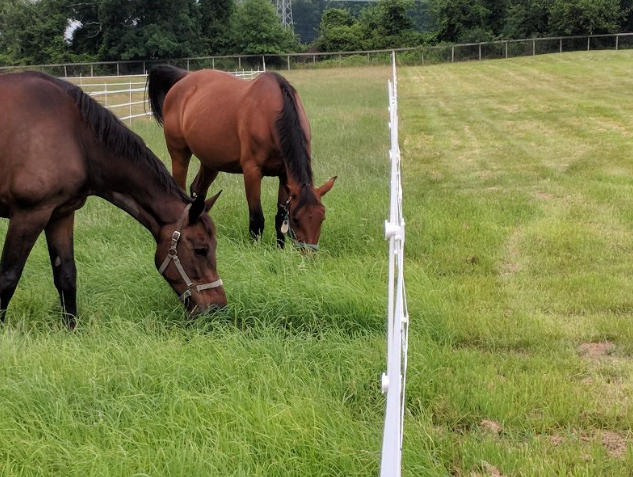
Horses are highly selective grazers. They prefer young, lush, and nutrient-rich forage and will repeatedly graze preferred plants down to very short heights. This behavior often results in uneven pasture use, where some areas are overgrazed while others remain tall and untouched.
Another defining characteristic of horse behavior is their tendency to establish designated areas for manure and urine. These “latrine” areas are typically avoided during grazing, leading to patches of overgrown forage that may appear desirable but are rejected by the animals.
Without management, these patterns can result in:
• Reduced forage quality
• Increased weed pressure
• Uneven pasture productivity
The Importance of Grazing Management
Maintaining proper grazing height is one of the most critical components of pasture management. Overgrazing weakens plants by reducing the leaf area needed for photosynthesis, which in turn limits root development and overall plant vigor.
General guidelines include:
• Bermudagrass: Maintain above 4 inches (avoid frequent grazing below 2 inches)
• Native grasses: Maintain taller heights to support stand persistence
Allowing plants adequate recovery time is equally important. Pastures typically require approximately three weeks of rest, though this varies with weather conditions and forage type.
Forage Selection Considerations
Selecting appropriate forage species can improve both pasture durability and animal performance.
Common options include:
• Warm-season grasses: Bermudagrass (widely used due to grazing tolerance), native grasses such as bluestem
• Cool-season options: Annual ryegrass, small grains (wheat, oats, cereal rye), and some clovers
However, not all forage species are suitable for horses. Certain plants, such as sorghum-sudan hybrids, may pose health risks if heavily grazed. Additionally, some clovers and other species may contribute to photosensitivity or long-term health concerns.
Tall fescue presents a mixed case: it is productive and tolerant of grazing, but endophyte-infected varieties can cause reproductive issues in mares. Management decisions regarding fescue should be made carefully based on individual operation goals.
Stocking Rate and Nutritional Balance
Overstocking is one of the most common and damaging pasture management mistakes. Continuous grazing without rest leads to declining forage production and increased weed invasion.
While generalized recommendations often suggest one horse per 5–10 acres without intensive management, improved systems can support higher stocking densities through practices such as rotational grazing and fertilization.
A useful planning approach is the development of a forage budget, which compares:
• Forage production capacity (based on acreage and management)
• Animal forage requirements (typically 2–2.5% of body weight per day)
This allows producers to identify potential deficits and plan for supplementation or management adjustments.
Weed Management in Horse Pastures
Weed pressure is closely tied to pasture condition. Overgrazed areas provide ideal conditions for opportunistic species to establish.
Effective weed management begins with prevention:
• Avoid overgrazing
• Maintain healthy forage stands
• Monitor pasture conditions regularly
Correct plant identification is critical before implementing control measures. Many species appear similar at a distance but require different management strategies.
Control options include:
• Mechanical methods: mowing before seed production
• Chemical methods: targeted herbicide applications
It is also important to consider herbicide residues. Certain products can persist in manure and hay, potentially impacting sensitive plants such as garden crops long after application.
Rotational Grazing Strategies
Rotational grazing is one of the most effective tools for improving pasture utilization and longevity. By dividing pasture into multiple paddocks and rotating horses between them, producers can:
• Allow forage recovery
• Improve grazing distribution
• Reduce weed pressure
Additional practices that enhance rotational systems include:
• Mowing: encourages more uniform grazing
• Dragging manure: improves nutrient distribution and helps reduce parasite loads
Even simple systems with two paddocks can provide significant benefits compared to continuous grazing.
Soil Fertility and Fertilization
Soil fertility plays a central role in pasture productivity. Regular soil testing provides the information needed to make informed fertilization decisions.
Key nutrients include:
• Nitrogen (N): drives forage growth
• Phosphorus (P) and Potassium (K): support root development and plant health
For warm-season grasses, nitrogen applications should be timed later in spring when plants are actively growing. Applying nitrogen too early can benefit undesirable species or be lost before peak growth.
Maintaining adequate phosphorus and potassium levels is essential for maximizing the effectiveness of nitrogen applications and sustaining long-term productivity.
Seasonal Planning and Management
Pasture management is a year-round process. Developing a seasonal plan helps ensure timely decision-making and consistent results.
Winter:
• Evaluate pasture condition
• Conduct soil testing
• Plan improvements and repairs
Spring:
• Introduce grazing gradually
• Monitor for metabolic issues from lush forage
Summer:
• Scout for weeds and pasture condition
• Implement mowing and dragging as needed
Fall:
• Establish cool-season forages if desired
• Reassess pasture performance and adjust plans
Conclusion
Successful horse pasture management requires balancing animal behavior, forage biology, and environmental conditions. While no single approach fits every operation, key principles—such as maintaining proper grazing heights, preventing overgrazing, managing weeds, and supporting soil fertility—provide a strong foundation.
With thoughtful planning and consistent management, pastures can serve as a valuable and sustainable nutritional resource for horses while maintaining long-term productivity.