A recent amendment to the federal Farm Bill is drawing attention from sportsmen and canine organizations over its potential impact on traditional dog training and performance events. The provision, originally part of the Greyhound Protection Act (H.R. 5017), was added to the House version of the Farm Bill during committee markups.
While the primary intent of the amendment is to address concerns related to commercial greyhound racing, the current language includes broad prohibitions on “live lure training” and “open field coursing” involving live animals. Because the bill does not provide specific statutory definitions for these terms, many in the agricultural and sporting communities are concerned about unintended consequences for lawful hunting activities.
Impacts on Working Dogs
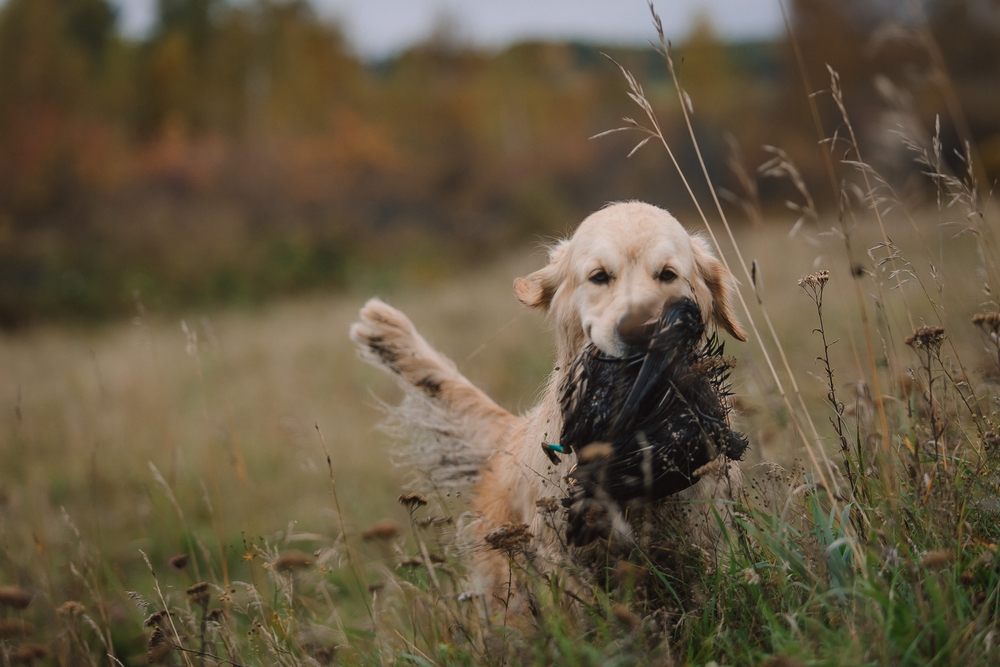
The practice of using farm-raised animals—such as pigeons, ducks, or rabbits—is a standard method for training various working breeds. Bird dogs, retrievers, and hounds often rely on these methods to develop essential skills:
- Scent Recognition: Training dogs to identify specific game.
- Steadiness and Retrieval: Ensuring dogs can safely and effectively handle game in the field.
- Humane Handling: Teaching dogs to minimize harm to wildlife during actual hunts.
Concerns for Performance Events
Organizations like the American Kennel Club (AKC) have noted that without clear exemptions for responsible training and sanctioned events, the amendment could threaten several organized dog sports. These include:
- Field trials and hunt tests.
- Earthdog and Barn Hunt competitions.
- Nite Hunts and lure coursing events.
Critics of the amendment’s current wording argue that the lack of precision could allow for interpretations that criminalize traditional training methods used by hunters and breeders nationwide.
Legislative Path Forward
The amendment was included in the House Agriculture Committee’s version of the Farm Bill via a voice vote. As the legislation moves toward the House floor and eventually into conference with the U.S. Senate, groups representing sportsmen and dog owners are advocating for clarifying language or the removal of the provision. They maintain that while animal welfare is a shared goal, the Farm Bill should not disrupt long-standing hunting traditions or the development of well-trained working dogs.