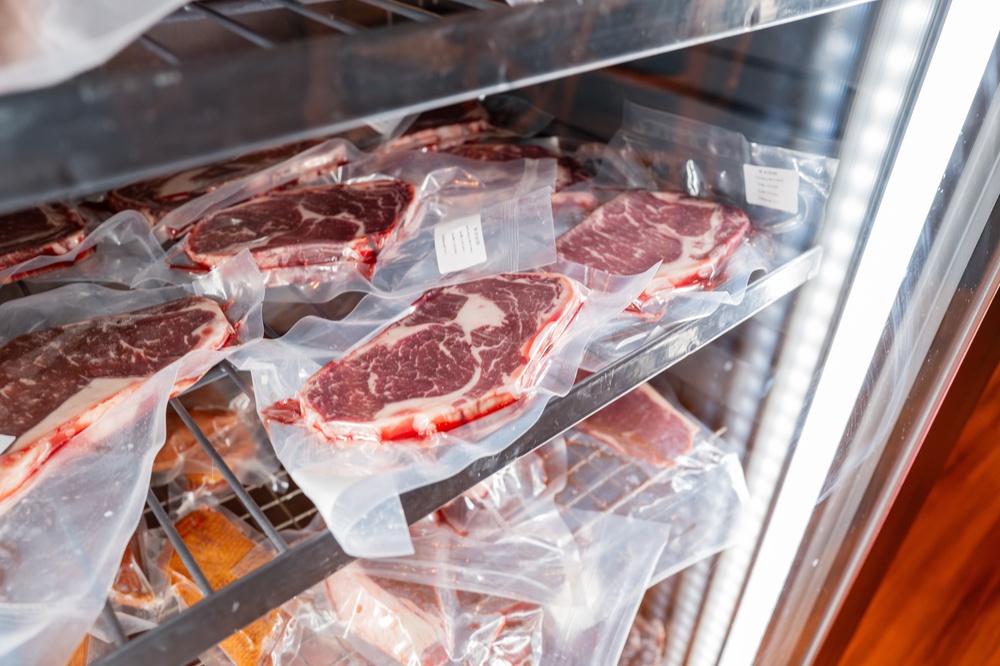
The recent impact of JBS plant strike actions in Greeley, Colorado, has sent ripples through the agricultural sector, affecting everything from immediate fed cattle prices to long-term feeder cattle projections. As industry experts Charlie Martinez and Dave Weaber recently discussed, the halt in operations at such a significant facility forces a rapid reallocation of livestock, shifting the economic burden across regional borders into Nebraska and Texas.
Immediate and Long-Term Impacts of Labor Strikes
The strike at the JBS facility, which followed the expiration of a contract in July, has created immediate ripples in the fed cattle market. Charlie Martinez, an agricultural economist at the University of Tennessee, notes that while the initial impact is felt most acutely at the fed cattle level, a prolonged strike could significantly affect feeder cattle markets.
- Demand and Price Volatility: When a major packing plant ceases operations, it reduces demand for cattle, typically leading to a price decline.
- Market Reallocation: Cattle originally scheduled for slaughter at the Greeley plant have been diverted to other JBS facilities, including those in Grand Island, Nebraska, and Cactus, Texas.
- Regional Trade Shifts: This reallocation can turn a Colorado-based supply issue into a regional challenge for Texas and Nebraska, potentially displacing cash trades in those areas.
Shifting Industry Economics
Despite the disruptions caused by the strike, the underlying economics of slaughter plants have seen a notable shift. Dave Weaber, Senior Livestock Research Analyst with Terrain Ag, points out that since the start of the JBS strike, many plants have shifted from losing money to profitability. This transition is largely driven by total inventory levels and the capacity at which these plants are operating.
Currently, the industry faces an overcapacity issue relative to the number of available cattle. Recent plant closures and shift reductions, such as those at Tyson in Lexington and Amarillo, highlight ongoing efforts to resize packing capacity to match current livestock numbers.
Environmental and Macroeconomic Influences
Beyond immediate labor and operational challenges, the beef industry is grappling with significant long-term pressures. The persistent drought in the Western United States remains a primary concern for cattlemen, with some climate models suggesting the possibility of decades-long drought conditions. This environmental stress contributes to a slow decline in the supply of feeder cattle and calves as operations struggle with replacement heifer growth.
Furthermore, macroeconomic factors and global uncertainty continue to influence market decisions.
| Factor | Impact on Beef Industry |
| Geopolitical Conflicts | Can cause rapid shifts in market sentiment and supply chain stability. |
| Inflation | Remains a concern for the Federal Reserve, impacting interest rates and operational costs. |
| Market Uncertainty | Creates a challenging environment for long-term decision-making across the agricultural sector. |
As the industry moves forward, the combination of “unknown unknowns” and established fundamental shifts will continue to shape the trajectory of the beef supply chain and the broader agricultural economy.
This report was compiled with insights from Charlie Martinez (University of Tennessee), Dave Weaber (Terrain Ag), and Cesar Delgado (Back Roads of Illinois).