Based on a seminar by Dr. Erica Macon presented at the 2026 Horse Owners Workshop
Endocrine disorders such as insulin dysregulation (ID), equine metabolic syndrome (EMS), and pituitary pars intermedia dysfunction (PPID, formerly Cushing’s disease) are increasingly common in today’s horse population. Understanding how these conditions work — and how nutrition impacts them — is essential for keeping affected horses healthy and laminitis‑free.
Understanding the Endocrine Disorders Behind Laminitis Risk
Insulin Dysregulation (ID)
Insulin dysregulation is an umbrella term referring to:
- Resting or post‑meal hyperinsulinemia (insulin levels too high)
- Tissue insulin resistance (tissues don’t respond normally to insulin)
ID is the biggest dietary‑related risk factor for endocrine laminitis. Unlike what many owners assume, ID horses are not always obese. Some are lean but still have dangerously high insulin responses.
Equine Metabolic Syndrome (EMS)
EMS is a cluster of risk factors, including:
- Regional or generalized adiposity
- Insulin dysregulation
- A strong predisposition to laminitis
While many EMS horses are overconditioned, some lean horses still fall within this category based on metabolic testing.
Pituitary Pars Intermedia Dysfunction (PPID)
Common in senior horses, PPID results from a tumor (adenoma) in the pituitary gland.
Key signs include:
- Delayed shedding / long, curly coat
- Muscle wasting along the topline
- Lethargy
- Increased drinking and urination
- Recurrent infections or abscessing
PPID horses often ALSO have insulin dysregulation, increasing laminitis risk.
Why High Insulin Causes Laminitis
New research has confirmed what many clinicians suspected: chronically high insulin damages the laminae. In laboratory studies, laminar tissue exposed to elevated insulin became swollen, inflamed, and weak — mirroring real-world laminitic pathology.
Because each spike in insulin adds “insult to injury,” dietary control is the cornerstone of management.
Diagnosing ID and PPID
Testing for ID
Resting insulin levels:
- Normal: < 20
- Equivocal: 20–50
- Elevated: > 50
Because many factors affect a single sample, dynamic testing, especially the Oral Sugar Test (OST) using Karo syrup may be a better indicator of ID. An insulin level >45 one hour after dosing indicates ID.
Testing for PPID
The most reliable test is the TRH stimulation test, which measures the pituitary’s ability to suppress ACTH.
Important note: Do NOT test in the fall—normal horses naturally have high ACTH, leading to false positives.
Nutritional Management of Insulin Dysregulation
NSC Is the Key Factor
Non‑structural carbohydrates (NSC = sugar + starch) are the dietary component that matter most.
For ID horses:
- High-NSC feeds → large insulin spikes
- Low-NSC feeds → much safer insulin response
Current research found that ID horses have a very low threshold:
~0.1 g NSC per kg of body weight per meal
This is why feeding management must be meticulous.
Best Practices for Feeding ID Horses
1. Choose Low‑NSC Forage
- Warm-season grass hay is ideal.
- Alfalfa is often lower in NSC than cool-season grasses.
- If NSC is unknown, soak hay 30–60 minutes—but always discard the water.
2. Select the Right Concentrate
Look for feeds specifically formulated for metabolic horses:
- Low starch
- Low sugar
- High fiber
- Balanced amino acids
Use tools like MadBarn’s Feed Database to verify actual NSC percentages—don’t rely on marketing claims.
3. Feed Ration Balancers Correctly
Ration balancers can cause a spike in some horses if fed in one meal.
Instead:
- Splitting the daily amount into two smaller portions
- Choosing balancers with verified low NSC
4. Manage Pasture Access
- Avoid lush pasture entirely for severely affected horses.
- If turnout is necessary:
- Use a grazing muzzle (reduces intake ~30%)
- Turn out late afternoon or evening when grass sugar is lowest
- Consider dry lots or restricted grazing zones
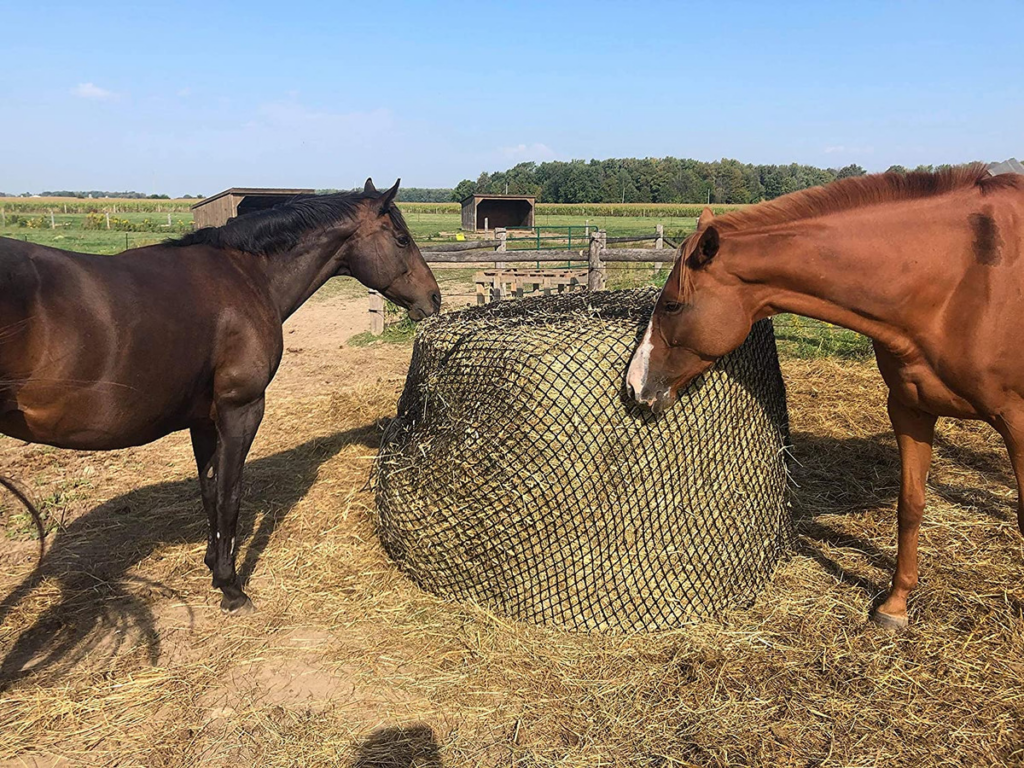
5. Use enrichment to slow intake
- Slow feeders
- Small-hole hay nets
- Hay balls or track systems
These mimic natural foraging and reduce rapid intake.
Nutrition for PPID Horses
While research on PPID diets is limited, several patterns are clear:
1. PPID horses need high‑quality protein
Because they lose muscle along the topline, these horses benefit from:
- Ration balancers
- High‑quality amino acid supplements
- Protein-dense senior feeds if insulin is normal
2. Address ID if present
PPID frequently coexists with ID.
If so, manage them as an ID horse first.
3. Calories for lean PPID horses
This is the most challenging group:
Lean horses with PPID + ID + laminitis risk
They need:
- Safe calories from fat (rice bran, oils)
- Fiber-based feeds (beet pulp, alfalfa pellets)
- Strict control of NSC
This group requires especially careful balancing between weight gain and insulin control.
Monitoring Over Time
Insulin concentrations fluctuate seasonally.
In many regions:
- Insulin rises in fall and early winter
- Drops mid‑winter
- Can rise sharply again with spring grass
Regular testing every 6–12 months — or around seasonal transitions — helps prevent surprise laminitic events.
Final Takeaways
- Insulin dysregulation is the leading nutritional cause of laminitis.
- Even lean horses can be severely insulin‑dysregulated.
- NSC control is the most critical management strategy.
- Ration balancers should be low-NSC and fed in small meals.
- PPID horses need high-quality protein and careful metabolic monitoring.
- Pasture access must be adjusted, restricted, or eliminated depending on severity.
With thoughtful feeding, smart management, and regular monitoring, many ID and PPID horses live long, comfortable, and productive lives.
Want to learn more? This article is based on the podcast episode: Feeding the Insulin Dysregulated Horse