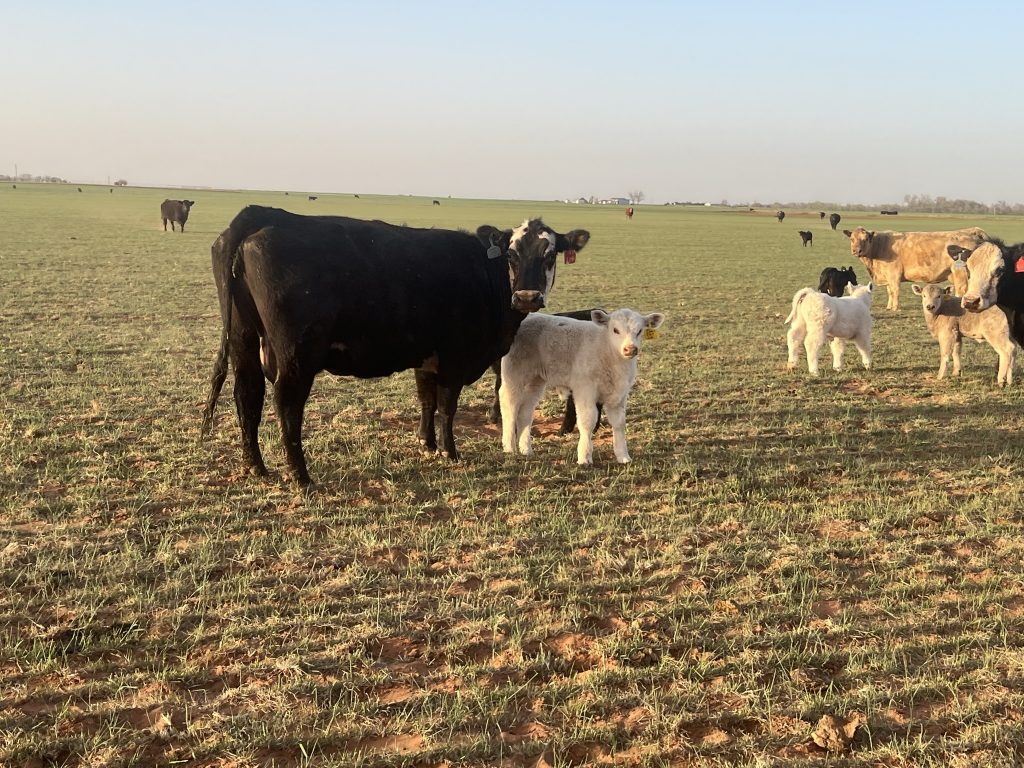
One of the attributes of a commercial cow-calf operation is that the cows don’t require day to day monitoring and management to do their job. Cows are very self-sufficient with regard to their ability to convert forage into pounds of weaned calves, even during the intense Oklahoma summer heat. That being said, there are some specific management practices that offer great return on investment. Depending on your calving season and schedule, each of the following (if not done yet) will pay off in the future.
- Growth implants
- Castration
- Dehorning
- Fly, tick and internal parasite control
- Administering the first (or second) round of vaccinations. Two rounds of vaccinations prior to weaning reduces stress at weaning and will set up calves for long-term health, growth and productivity. A documented vaccination protocol will pay dividends when marketing calves.
- Monitoring the availability of shade and water quality.
- Management to avoid heat stress. If working calves or moving cattle, do it at dawn and be done as early in the morning as possible.
- Balance the quality and quantity of hay harvested from native grass meadows. May was a fairly dry month across most of Oklahoma, June provided moisture but not much intense heat, as a result many native grass meadows are lagging behind in forage quantity at the time of this writing. Baling native grass meadows by early July is typically the sweet spot to optimize quality and quantity of hay produced. If you plan to bale native grass meadows, do it now. Waiting later into summer not only decreases quality but also potentially damages long-term health and productivity of native grass plants.