Records. Win-Loss records. Personal best records. Guiness World Records for…well, for.nearly anything. Fun fact: My Arizona cousin once held the Guiness World Record for producing the World’s Heaviest Chile Pepper and held that record for several years. He has since been dethroned, but still….
We humans love a good “record” story. But we don’t always love keeping good records. This is true of a lot of cattle producers. But good records play a crucial role in cattle production.
Good record-keeping is another input into your operation. A good set of production and management records can enhance decision making by providing production benchmarks and by documenting the impact of management decisions, whether those decisions are related to herd replacements, animal health, reproduction, forage, or calf management. In the case of animal health records, tracking vaccinations and medical treatments helps document individual animal health, helps prevent duplication of treatment, and may also sometimes serve as a marketing tool. In the big picture, good records on the physical performance impact of decisions will help you see what is and isn’t working over time.
Good record keeping is good business. Cattle production can be a lifestyle, but it is also a business. The long-term sustainability of beef operations depends on being efficient and profitable. Tracking the physical performance impacts of management decisions is also the first step in tracking the economic impacts of those decisions. Some of those impacts are evident right away , while others take time to see. But good records are essential in both cases. It is important to take the next step of translating physical performance impacts into cost and profitability impacts for your operation. This feedback should be on a continuous loop!
Good record keeping helps others help you. Good records facilitate loan applications and financial reporting to loan officers and financial institutions. They are also key in the ability to gather information quickly and efficiently for government program paperwork or disaster relief applications with short deadlines.
Good record keeping can help you learn from others. Good records make benchmarking possible. That is, good records allow you to seek out information on operations similar to yours and compare physical performance, costs, and other important measures. These comparisons give you feedback on the effectiveness of your current management and are useful for goal setting and reassessment – an important practice for any successful business.
Extension personnel regularly promote the importance of specific management practices to producers, including record keeping, to improve cow-calf decision making and – ultimately – profitability, Management practices typically promoted for the cow-calf phase of beef production are those that positively affect health and performance in subsequent phases of production, that document information such as age, origin, feed ingredients, or medical treatments for use in herd management decisions, or that meet needs for specific marketing strategies. Recommended record-keeping practices generally include financial, production, and herd health records. And don’t forget forage as part of your production input record keeping!
The ability to examine the impact of calf health management practices is dependent on good records, including vaccination and medical records. Medical treatment records involve documenting dates, products and types of medical treatments administered to animals, number of animals treated, and the person who administered treatment. Ideally, records are also linked to a specific animal. These health records can aid in tracking the effectiveness of specific treatment protocols or vaccination types across the herd, in addition to documenting treatment frequency for specific animals – all useful information for both short term and long term herd management strategies. What worked? What didn’t? Were treatments more frequent this year than in past years? Although it is difficult to assign a particular value to record keeping, its contribution to management is an important one.
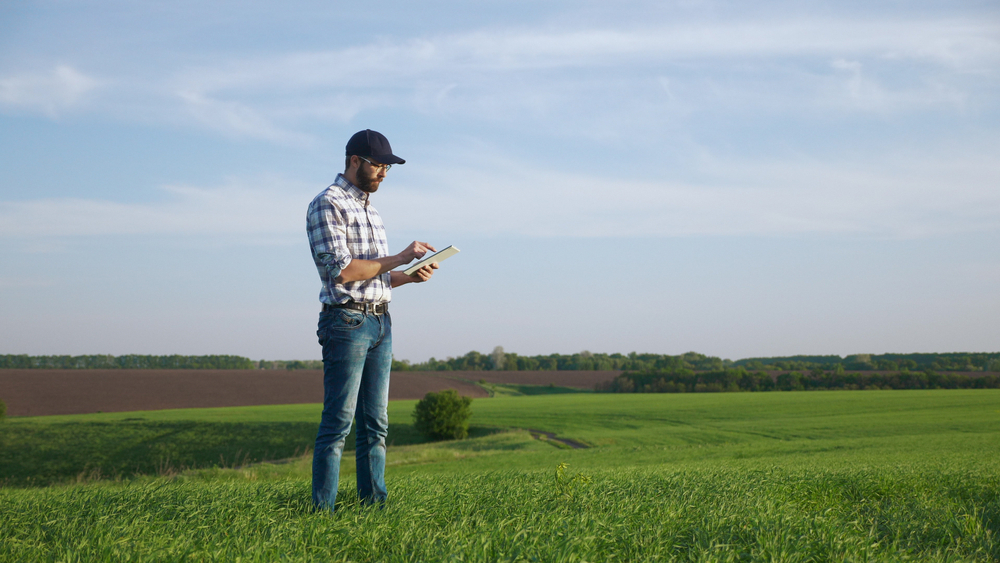
Why don’t producers keep medical and vaccination records? The two most cited reasons in the Oklahoma Beef Management and Marketing survey were doubts about the economic value of those records and uncertainty about how to go about it. As an economist, I’m trained to assign value to action (or inaction). While it proves difficult to assign a specific dollar value to the habit of good record keeping, there is no doubt that it makes an important contribution to your operation. As for how to go about it, your local Extension educator is a good resource and there are also tremendous resources online – and some even include a printable record book if you prefer paper. Record keeping is a critical task. If you are among the record-keeping group, consider what you are not yet tracking and strive for improvement. If you are currently not in that group, grab a computer, tablet or a notebook and get started!
Knowledge is power. What useful information are you missing out on that might improve decision making, outcomes, and ultimately the bottom line? What can you learn from comparing your operation’s data to others? Good record-keeping enables a mindset and culture of continuous improvement. That’s good for your operation – and good for the beef industry.