There is a quote from the 1922 USDA Yearbook of Agriculture that I often use: “The cheapest of all feed is pasture because it furnishes a balanced ration at a low cost and the cow does her own harvesting…but, in comparatively few cases is the fullest possible use made of pasture.” Interest in improved grazing management is not new, as this century-old quote shows, but it has remained an important topic throughout the more than 30 years I have worked with grazing systems.
Rotational grazing provides grazed plants time to recover from repeated defoliation when cattle are moved to the next paddock the previously grazed paddocks are rested until the next cycle. Systems can be simple, with weekly rotations, or more intensive, with cattle moved daily. A practical starting point is at least four paddocks, with approximately seven days of grazing followed by 21 days of rest. However, rest periods should be adjusted for forage growth and lengthened during hot or dry weather or shortened when forages is growing rapidly.
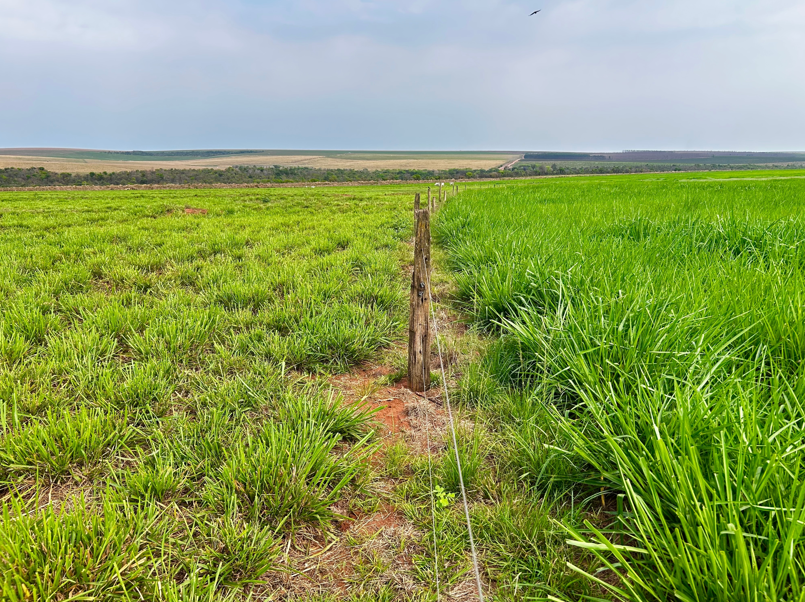
Cattle continuously grazing a moderately stocked pasture can select preferred plants from the entire grazing area, creating situations where pastures are simultaneously overgrazed in some areas and underutilized in others. This selectivity may improve individual performance because cattle can choose a diet higher in protein and digestible energy. Rotational grazing temporarily limits access to preferred areas and plant species, which may reduce diet selectivity and individual animal performance. However, under continuous grazing, preferred plants may eventually be repeatedly grazed, weakened and lost from the stand.
Recent research evaluating alfalfa interseeded into bermudagrass illustrates this benefit. After three years, alfalfa made up approximately 25% of the forage stand in rotationally grazed pastures, compared with only 10% under continuous grazing. Rest periods allowed the highly preferred alfalfa plants to recover between grazing events.
Rotational grazing can also improve drought preparedness, especially when combined with stockpiled forage, complementary annual forages and flexible stocking rates. Improved grazing control can increase forage-use efficiency, protect desirable plant species and reduce dependence on stored forage. However, grazing management does not eliminate the need to reduce grazing pressure when forage production declines. A resilient system uses rotational grazing to monitor forage conditions and make proactive adjustments before drought forces emergency destocking.
Rotational grazing requires investments in fencing, water development and labor, and it may reduce individual animal performance in some situations. Its potential benefits include better forage utilization, improved persistence of desirable species, increased production per acre, reduced hay use and greater flexibility during drought.
One producer summarized another benefit: when he checks cattle, he only has to search one-eighth of the ranch—and most days, the cattle come looking for him because they know fresh grass is next.
Paul Beck discussed the continuous vs high intensity rotational grazing on a Rancher’s Thursday webinar at https://www.youtube.com/watch?v=yc75azXI1Us&t=2s