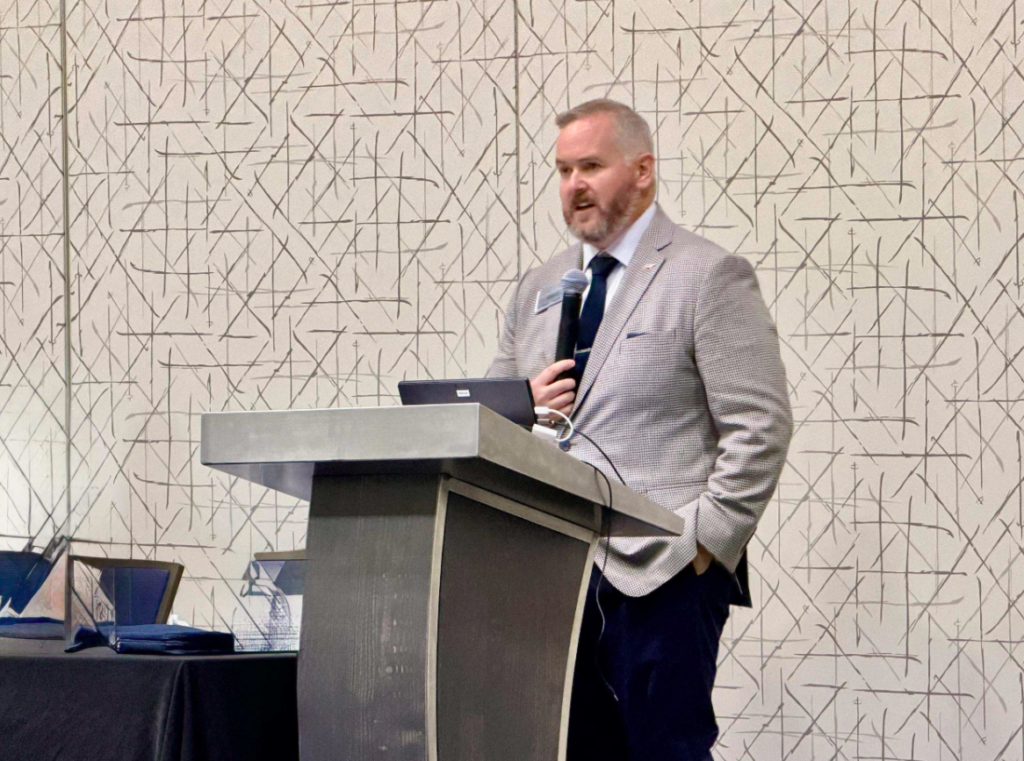
In today’s Beef Buzz, senior farm and ranch broadcaster Ron Hays speaks with Kent Bacus of the National Cattlemen’s Beef Association about tax policy and an issue cattle producers may not realize could put their operations under additional IRS scrutiny: whether their ranch is considered a business or a hobby.
Hobby Loss Rules Could Put Some Cattle Operations at Risk
Bacus says the issue was recently brought forward through NCBA’s tax and credit leadership, where cattle producers and tax experts discussed how hobby loss rules could affect smaller operations. “You know, this is really something that our tax and credit leadership brought to the forefront,” Bacus said. “It’s great when you have CPAs who are experts. They’re also cattle producers.”
He said NCBA’s tax and credit committee brings a unique perspective to the issue, including a committee chair who previously worked as an IRS agent. “When it comes to hobby loss, I think it’s important because we have so many of our producers have herds of less than 50 head,” Bacus said.
Under the existing rules, a cattle operation that shows a loss in three out of five consecutive years could potentially draw IRS attention. For horse operations, the threshold is two out of seven years.
Bacus emphasized that the hobby loss rules themselves are not new, but changes to the tax code could make understanding the requirements increasingly important for producers. “This is nothing new. This is something that’s been on the books for a long time,” Bacus said. “But what has changed is with the Working Families Tax Cuts, some of the deductions that was made permanent on there.”
Documentation Can Help Protect a Ranch
Bacus said producers should understand the criteria the IRS considers when determining whether an operation is a legitimate business. “There’s nine criteria that the IRS considers,” he said. “We walk through a lot of that in our tax and credit committee, really just to bring that forward to our producers so they know what to look for.”
Those considerations can include the producer’s business plan, recordkeeping, expertise and the overall operation of the ranch. “NCBA is going to continue to work with our state affiliates. We’re going to provide a lot of this information,” Bacus said. “The last thing we need is for our producers to be vulnerable for further audits when they’re not doing anything wrong.”
Bacus said having strong documentation and keeping business affairs organized can be especially important because agricultural expertise within the IRS and tax courts has declined over time. “This is about having the right documentation and having all of your affairs in order, so that you and your family and your business are not vulnerable for further issues with the IRS,” Bacus said.
IRS Enforcement Could Become a Bigger Concern
When asked whether producers should expect the IRS to become more aggressive in applying hobby loss rules, Bacus pointed to recent court cases involving agricultural operations. “Even under the current administration, you’ve seen some of these cases go through court,” Bacus said. “You’ve seen some pretty significant court decisions come down, and unfortunately, that’s a hefty penalty.”
He said the IRS can examine numerous aspects of an operation when determining whether it qualifies as a business. “They’re looking at everything from sweat equity to how much expertise you have,” Bacus said. “Honestly, they’re looking at the whole picture.”
Bacus encouraged producers to understand the criteria being considered and work closely with their tax professionals and families before making decisions that could affect their operations.
Tax Changes Offer Opportunities for the Next Generation
While hobby loss rules are one area producers need to watch, Bacus said recent tax legislation also provides important opportunities for cattle families.
He pointed specifically to provisions involving estate taxes, Section 179, bonus depreciation and Section 199A. “I think with the Working Families Tax Cuts Act, the issue of succession is the pressing issue for so many families that’s out there,” Bacus said. “And now that we have more stability, we have more clarity of what the estate tax looks like, what the death tax looks like.”
Bacus said greater certainty in the tax code could help families plan for the future and make it easier for younger generations to remain involved in agriculture. “You have all of these tools at your disposal now, and being able to use those is really going to help us as we move to the next generation of cattle producers and really incentivize people to either stay on the farm or come back,” he said.
Building a Multigenerational Cattle Business
For Bacus, the larger goal goes beyond individual tax provisions. He said strong tax policy should help cattle operations remain viable across generations. “At the end of the day, you need a strong rural economy. You need strong economic incentives, and government can’t subsidize that or hand out enough money to get people to do that,” Bacus said.
“This is about building a business that has multigenerational stability that encourages more of that entrepreneurial spirit and really fosters the independence that we need in family-owned businesses in rural America.” Bacus said NCBA will continue working to defend the tax provisions important to cattle producers as Congress changes in future years.
“We’re excited about this. We’ve worked very hard to help secure these tax benefits,” he said. “We just encourage producers to take advantage of this. Take advantage of the opportunities ahead of you, and build a business plan that’s good for you and your family.”
The Beef Buzz is a regular feature heard on radio stations around the region on the Radio Oklahoma Ag Network and is a regular audio feature found on this website as well. Click on the LISTEN BAR above for today’s show and check out our archives for older Beef Buzz shows covering the gamut of the beef cattle industry today.