
Winter canola is making a significant resurgence across Oklahoma and the Southern Plains, driven by surging renewable diesel demand, strong cash bids, and proven rotational yield benefits for wheat producers. In an interview with Farm Director KC Sheperd, Jeff Frazier with Scoular Market Development explained that canola is positioned as a legitimate, profitable cash crop for Oklahoma producers looking to diversify their continuous wheat rotations. Backed by dedicated regional processing, expanding local delivery points, and modern genetics, the crop offers high-value multi-year returns for growers while restoring a beloved visual staple across the countryside: rolling fields blanketed in vibrant yellow blooms.
Spring Blooms and Family Photos Return to the Landscape

Alongside the financial opportunities, the comeback of winter canola revives a popular rural tradition every spring. The crop’s sea of bright yellow flowers transforms the countryside, drawing out local photographers and creating scenic spots for family portraits around Easter time. Frazier noted that his own nine-year-old daughter turns into a field photographer as soon as the yellow fields erupt across the countryside. For rural communities and growers alike, the blooming landscape delivers not just aesthetic charm and prime photo opportunities, but a visible reminder of economic growth returning to the field.
Market Demand and the Renewable Diesel Boom
The driving force behind canola’s renewed presence in Oklahoma is the surging demand for vegetable oil as a renewable diesel feedstock. Frazier noted that unlike past years when growers questioned long-term market availability, processors are actively investing in processing capacity.
With strong demand on both sides of the processing equation—vegetable oil for renewable fuels and high-protein meal for regional livestock feed—the market is offering immediate incentives. Cash bids have recently stood in excess of $14 per bushel delivered to the crush facility, giving producers a competitive, profit-driven commodity.
Where to Haul: Local Cooperatives and Delivery Points
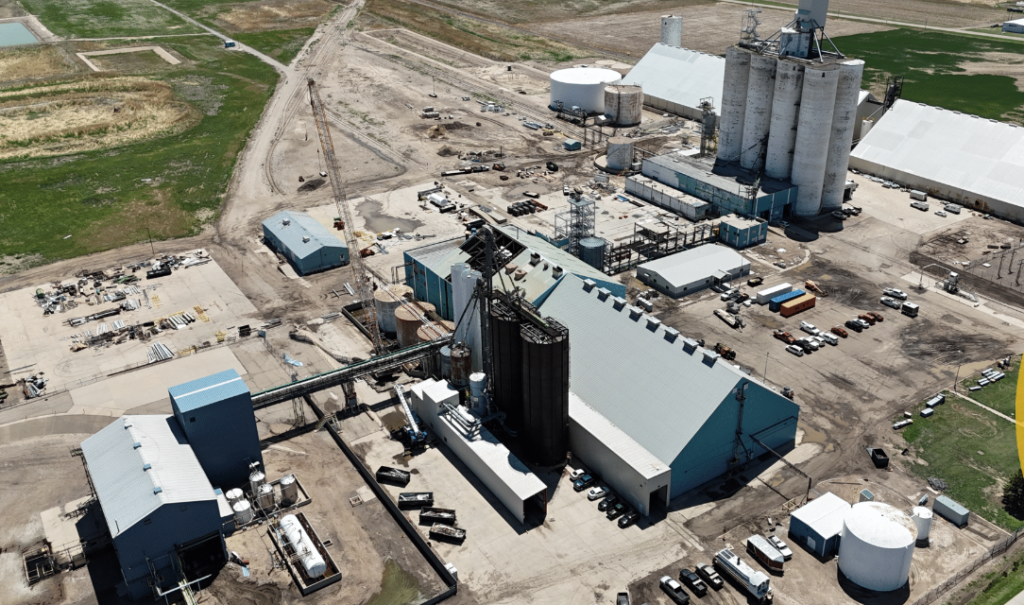
Logistics and delivery access play a critical role in grower profitability. Frazier highlighted that Scoular’s dedicated processing facility in Goodland, Kansas, serves as a primary destination for High Plains oilseeds, handling both canola and soybeans.
To eliminate long-distance hauling for Oklahoma producers, Scoular partners directly with local agricultural cooperatives where farmers already do business:
- Local Receiving Points: Last year alone, Scoular worked with more than 20 delivery locations across the growing region to accept canola locally.
- Harvest Efficiency: Producers can deliver directly to their regular local co-op elevator, cutting down logistical constraints, speeding up turnaround times, and getting combines and trucks back into the field faster.
- Secondary Transport: Scoular coordinates the movement from local co-op points to the crush plant, ensuring regional producers have direct access to strong end-market pricing without having to make extended highway hauls.
Rotational Fit in Continuous Wheat
For producers managing continuous wheat, introducing winter canola provides dramatic agronomic and economic benefits:
- Yield Advantage: Growers report a 10% to 25% yield increase in the wheat crop that follows canola.
- Agronomic Disruption: Canola places an entirely different root system into the soil profile, breaking weed cycles and altering disease cycles to help clean up problem fields.
- Offtake Value: While winter canola is not grown for grazing, its offtake functions as a multi-purpose crop. The meal byproduct provides high-value feed tailored to livestock operations across southwest Kansas, the Oklahoma Panhandle, and south into Texas.
Planting Dates, Equipment, and University-Backed Genetics
Oklahoma producers are currently in the primary planting window for winter canola, which runs from September 10 through October 10, with an additional five-day late-planting period extending to October 15. Seed partners, including Croplan and Rubisco, have varieties available for the fall season.
Frazier stressed that existing farm equipment is well-suited for the crop. If a grower can raise wheat, they can raise canola with only minor combine adjustments. Today’s varieties are adaptable to either direct cutting or swathing with standard farm machinery.
Furthermore, extensive research and breeding programs conducted by Oklahoma State University and Kansas State University have developed advanced winter-tolerant varieties. These breeding efforts provide producers with genetics tailored for extreme weather, offering enhanced winter hardiness, disease resistance, and Plains adaptability.
The Canola MVP Program and Peer-to-Peer Learning
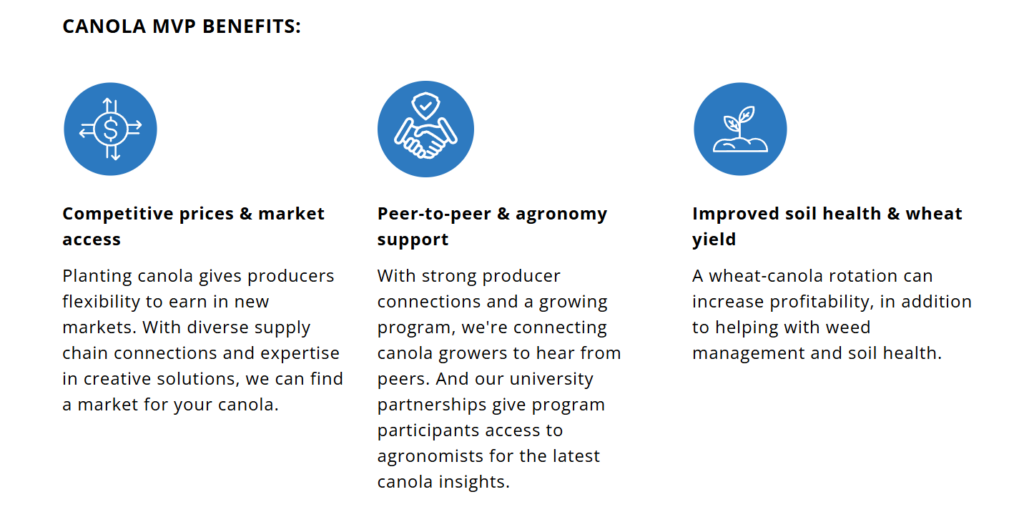
To support growers, Scoular offers the Canola MVP program at scoular.com/canolamvp. The initiative delivers agronomic management resources, variety recommendations, and university research from OSU and K-State, alongside structured peer-to-peer learning. Through regional producer meetings, first-time growers can connect with seasoned farmers possessing 10 to 15-plus years of canola experience to discuss field trials, operational adjustments, and real-world management to start their crop on the right foot.