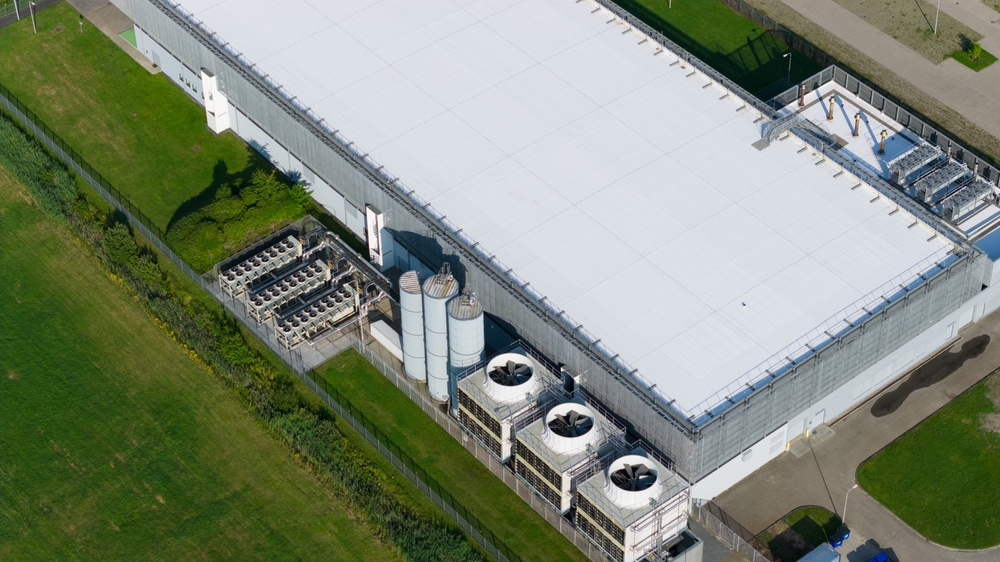
The rapid expansion of data centers across rural America is presenting agricultural producers with unprecedented opportunities alongside difficult long-term questions regarding land use, infrastructure, and resource allocation. In an interview with Farm Director KC Sheperd, American Farm Bureau Federation (AFBF) economist Bernt Nelson explained that this development push comes during a stretch of sustained financial hardship for agricultural operations, making developers’ lucrative purchase offers difficult to ignore.
“Many farms are facing a lot of losses,” Nelson said. “We see losses over several years, but you also see multiple crops ranging from cotton in the South to corn, wheat, and soybeans in the Midwest. These families are facing these decisions, and these decisions could impact the communities around them. When a farmer is offered several times the value of agricultural land, it’s understandable why they might consider having a conversation about that when we think about this economy.”
While data center development offers significant economic windfalls for individual landowners, Nelson pointed out that high-tech facilities and agricultural operations compete directly for the exact same foundational resources.
“Data centers are one of the fastest growing industries in America, and their expansion is happening at a really important and pivotal time for ag and for our rural communities,” Nelson noted. “Ag and data centers use a lot of the same resources—they need the same things. We’re talking about water, we’re talking about electricity, fiber optics for broadband for technology access, and land.”
Taking prime acreage out of agricultural production carries lasting consequences for rural communities and regional food security, particularly because conversions of this nature are rarely reversed.
“If we think about and look at what happened to land over the course of the years, since 1982, we’ve lost about 56 million acres of productive farmland,” Nelson stated. “That’s about the size of Kansas. This matters because productive farmland, once it’s taken out of production, it’s pretty permanent; it rarely goes back in. So it’s really important that we think about this in terms of food security and the well-being of our communities.”
Despite the competition for vital acreage and natural resources, modern agriculture itself relies heavily on digital processing and cloud infrastructure. Nelson emphasized that data centers have evolved into critical infrastructure underpinning everyday life and high-tech farming.
“Data centers have become critical infrastructure,” Nelson explained. “Ag needs data too. A planter going across the field is using stored data to plant a seed, put fertilizer down in the exact ounces it’s needed, exactly where it needs to be. This leads to more production and more efficiency, and this needs data storage.”
As digital demands surge across the country, Nelson concluded that agricultural producers, local leaders, and rural communities must balance short-term economic development incentives with the long-term protection of production land and essential resources.