Farmer sentiment declined, with the Purdue University-CME Group Ag Economy Barometer (AEB) Index decreasing from 135 points in August to 123 points in September (see Figure 1). Both subindices declined, with the Index of Current Conditions dropping by 18 points and the Index of Future Expectations dropping by 9 points (see Figure 2). Marking a reversal from last month, a lower proportion of respondents expect their operation to be better off financially (22%) than worse off (35%) a year from now. Higher input costs, chosen by a record 52% of respondents, remained the biggest concern. Moreover, 54% of respondents indicated that high input costs were the main factor limiting improvement in their farm’s financial situation. On a positive note, the Long-Term Farmland Value Expectations Index reached a new high of 168. The September barometer survey was conducted among 400 farmers across the country from September 14 to 18, 2026.
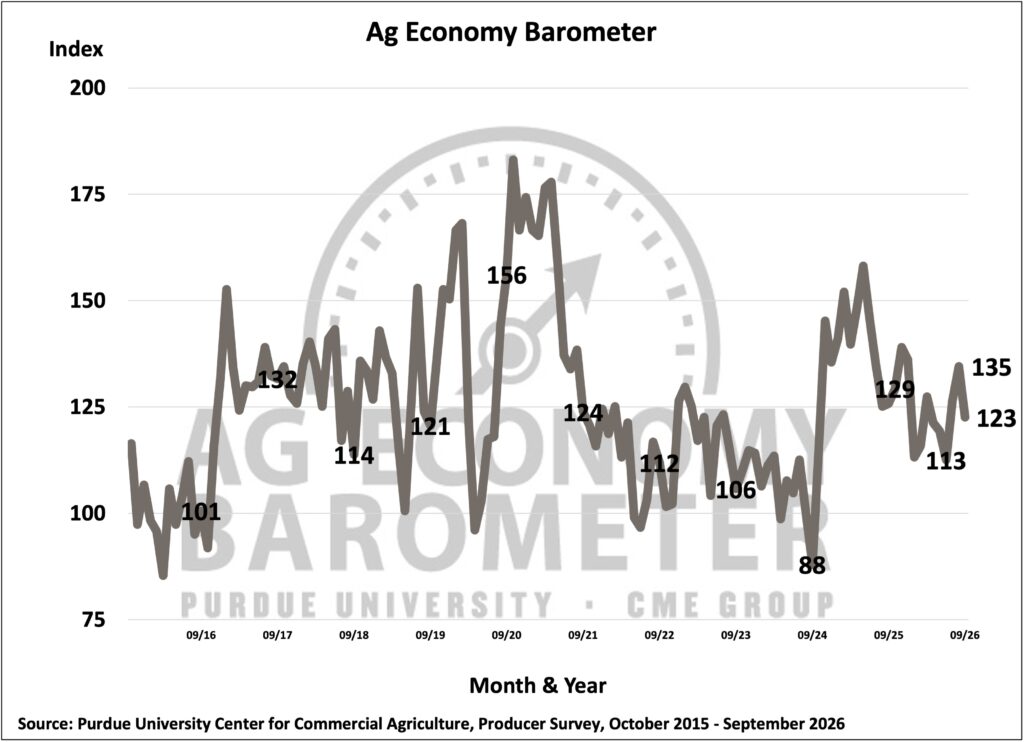
Figure 1. Purdue/CME Group Ag Economy Barometer, October 2015-September 2026.
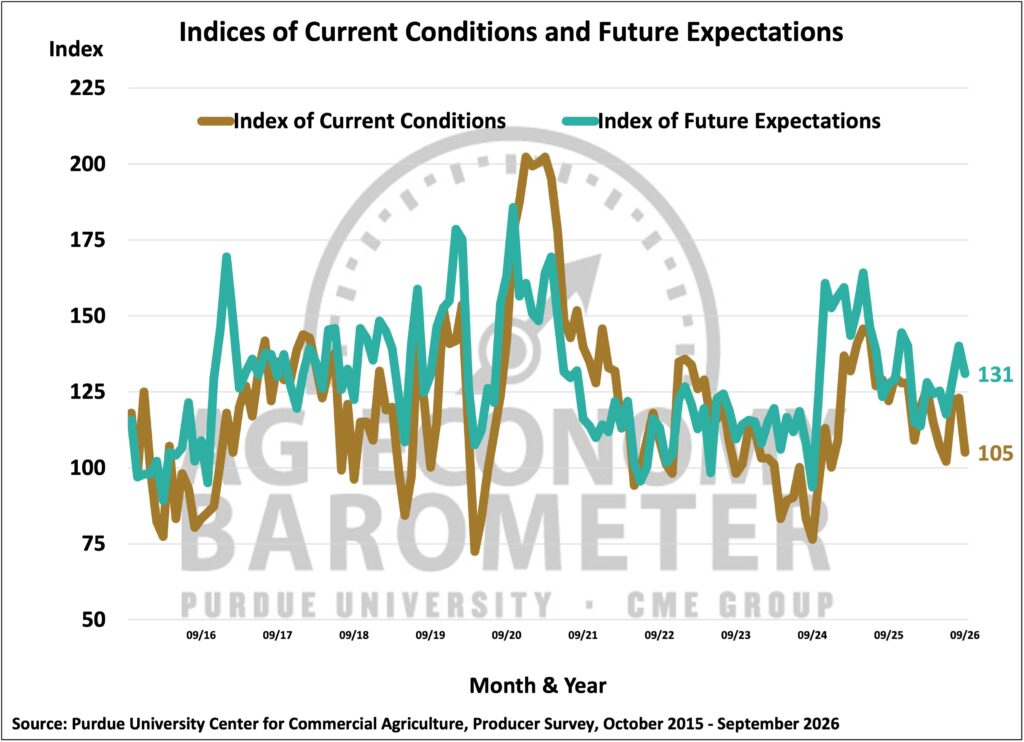
Figure 2. Indices of Current Conditions and Future Expectations, October 2015-September 2026.
The Farm Financial Performance Index decreased from 103 in August to 90 in September, reflecting greater pessimism among respondents about their financial prospects over the next 12 months. Consistent with this decline, the Farm Capital Investment Index also dropped 6 points to 39 (see Figure 3).
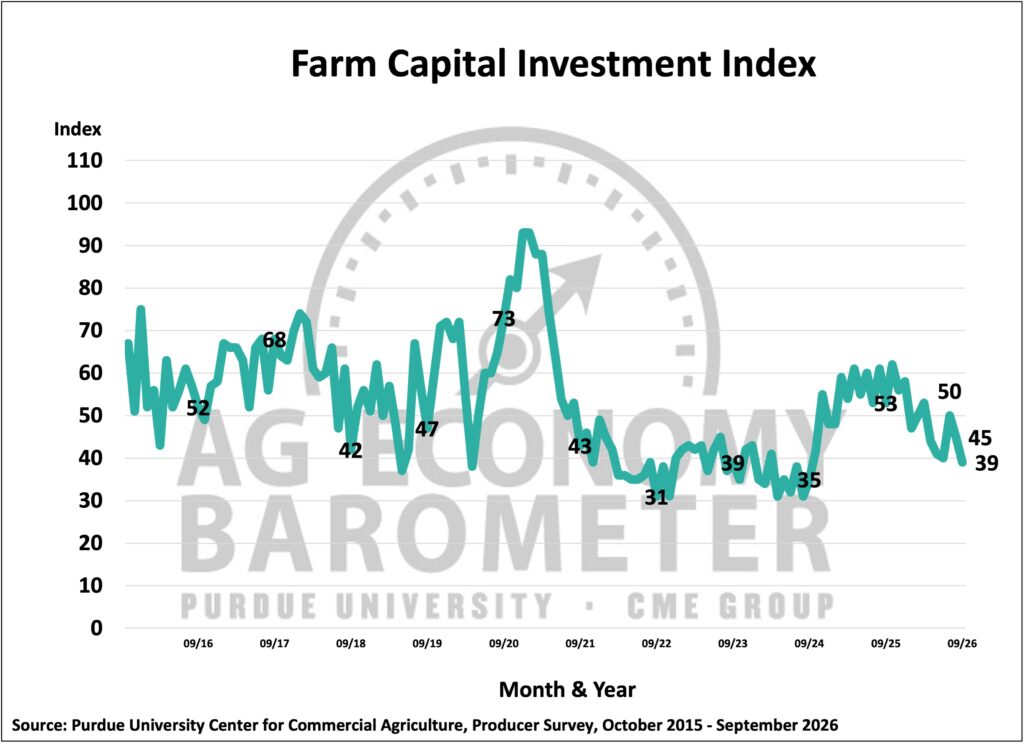
Figure 3. Farm Capital Investment Index, October 2015-September 2026.
This month’s survey included three sets of questions specifically for corn and soybean producers. About 22% of respondents expected cash rents to increase in 2027. Among those expecting an increase, 47% are expecting cash rents to increase by up to 0 to 5%. A large majority of respondents (73%) expected cash rents to remain about the same next year (see Figure 4).
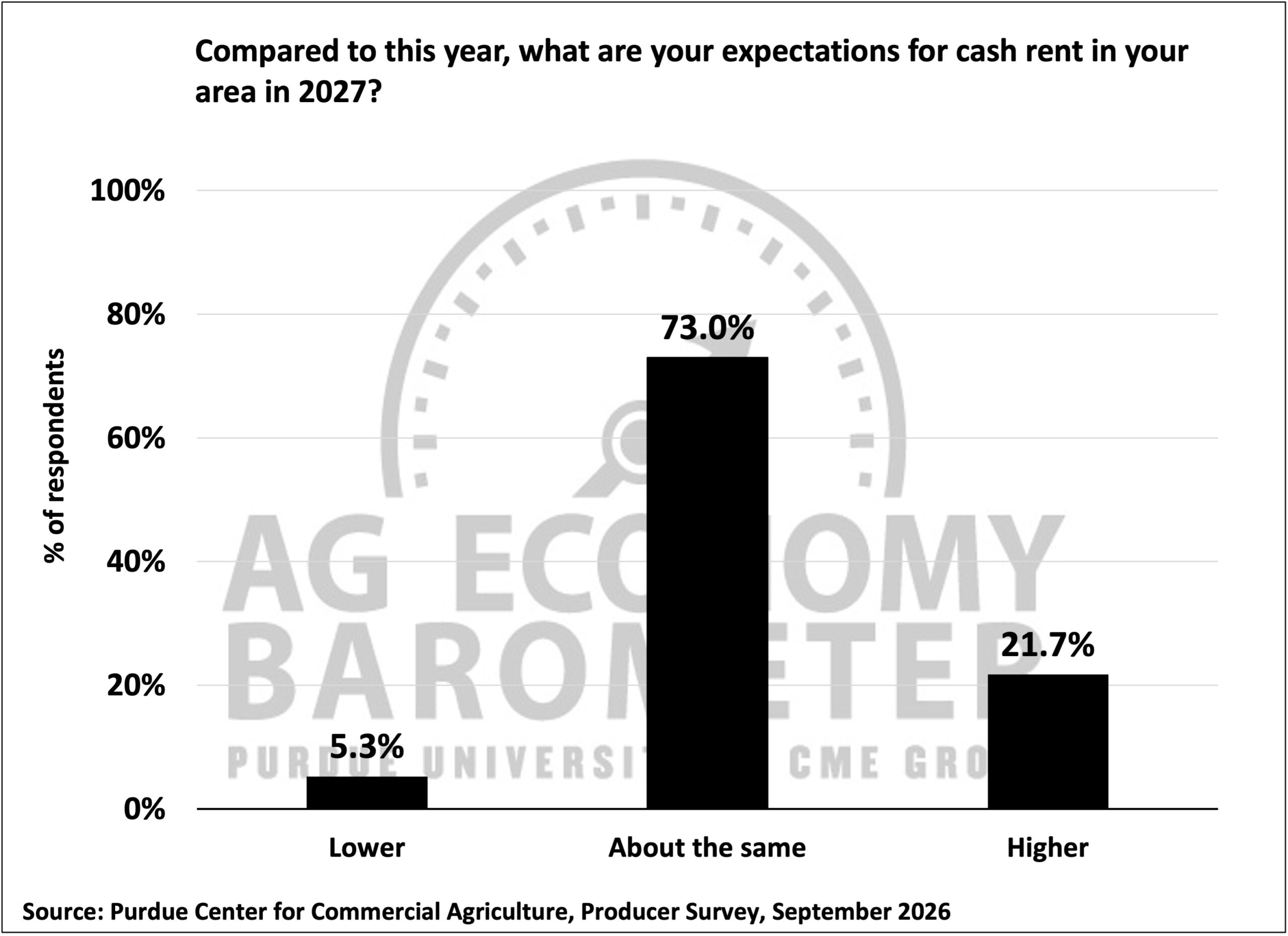
Figure 4. Expectations for Cash Rents in 2027 for Corn and Soybean Producers, September 2026.
Approximately 46% of corn and soybean producers currently plant cover crops, with another 22% having planted cover crops in the past (see Figure 5). Around one-third of the respondents have planted cover crops for more than 10 years, and 15% plant cover crops on a majority of their acreage. Approximately 37% of corn and soybean producers expect soybean exports to increase in the next five years, compared with only 10% who think soybean exports will decline. Only 19.9% of respondents indicated that they were not concerned about the competitiveness of U.S. soybean production when making comparisons with Brazil (see Figure 6).
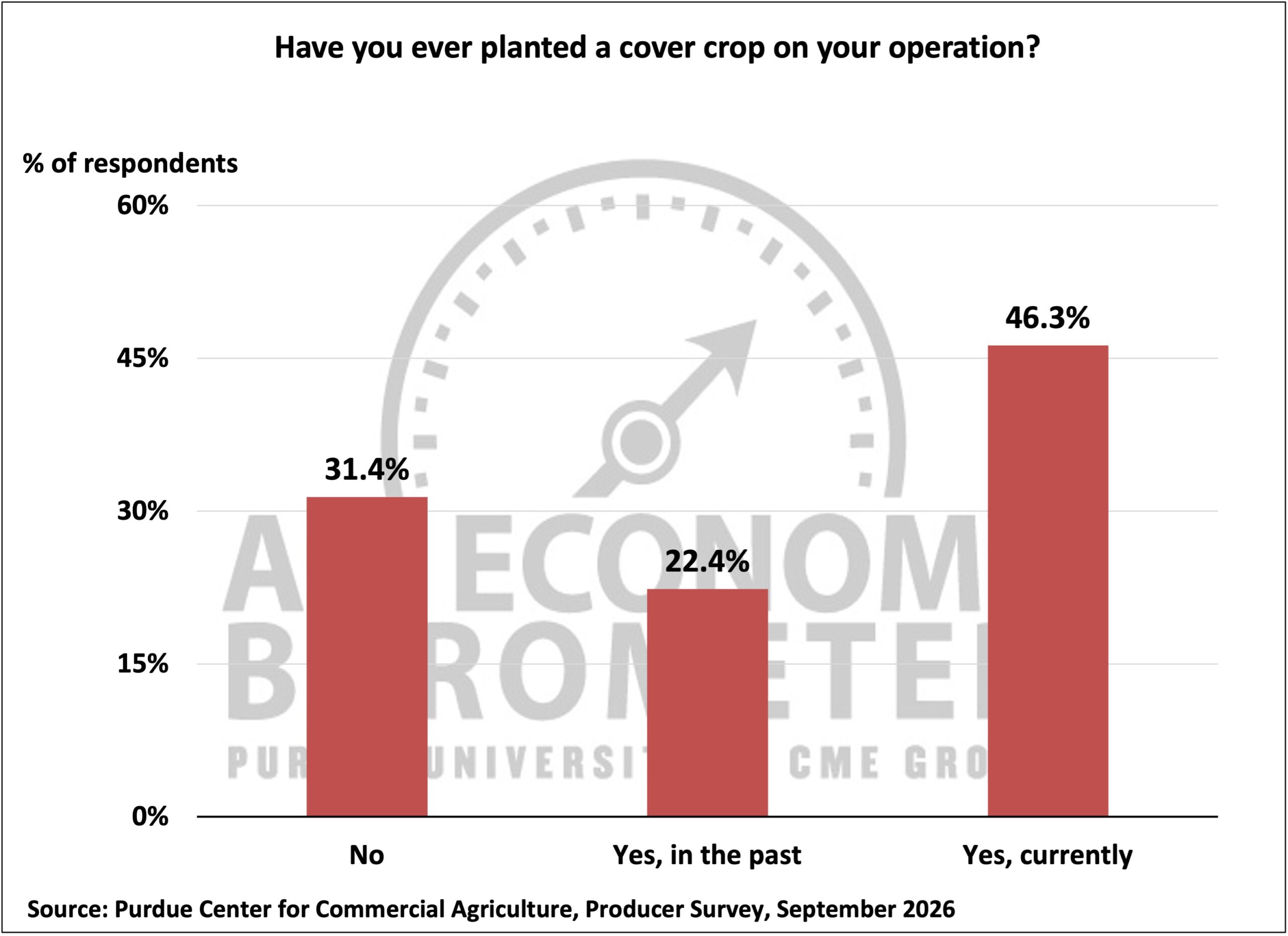
Figure 5. Cover Crop Adoption for Corn and Soybean Producers, September 2026.
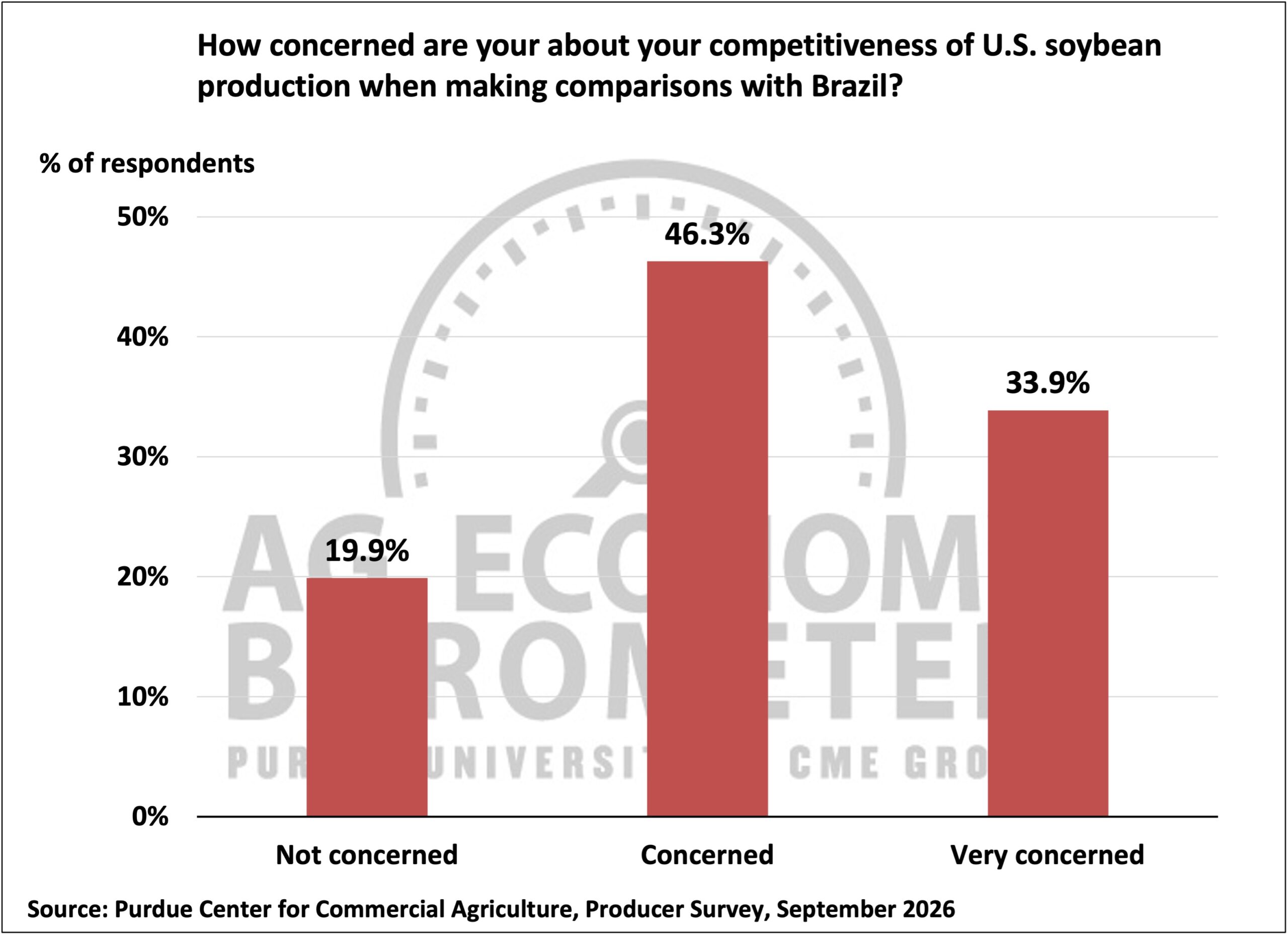
Figure 6. Concern About Competitiveness of U.S. Soybean Production, September 2026.
The Short-Term Farmland Value Expectations Index declined by 1 point to 126 in September, while the Long-Term Farmland Value Expectations Index reached a new high of 168 (see Figure 7). Alternative investments, inflation, and interest rates were cited as the three factors having the greatest influence on farmland values.
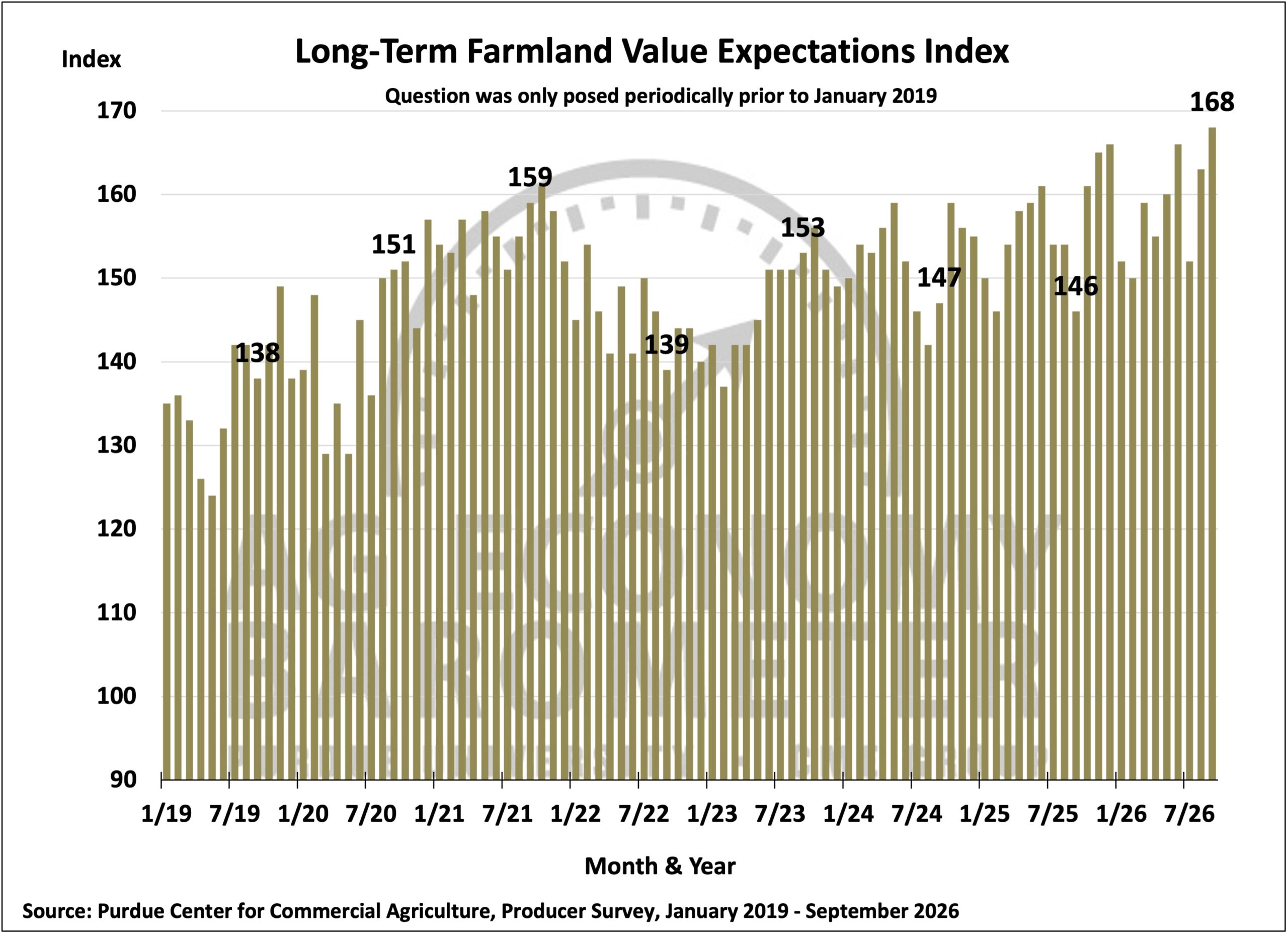
Figure 7. Long-Term Farmland Value Expectations Index, January 2019–September 2026.
Since July 2025, producers have been asked whether they think the U.S. is headed in the “right direction” or on the “wrong track.” After averaging 71% during the last six months of 2025 and 62% in the first six months of 2026, the percentage of producers who said the U.S. was headed in the “right direction” ranged between 51% and 54% in July and August, before dropping below 50% in September (see Figure 8). This is the first time since the question was introduced that less than half of respondents said the U.S. was headed in the “right direction,” indicating a less positive view of the country’s direction among producers.
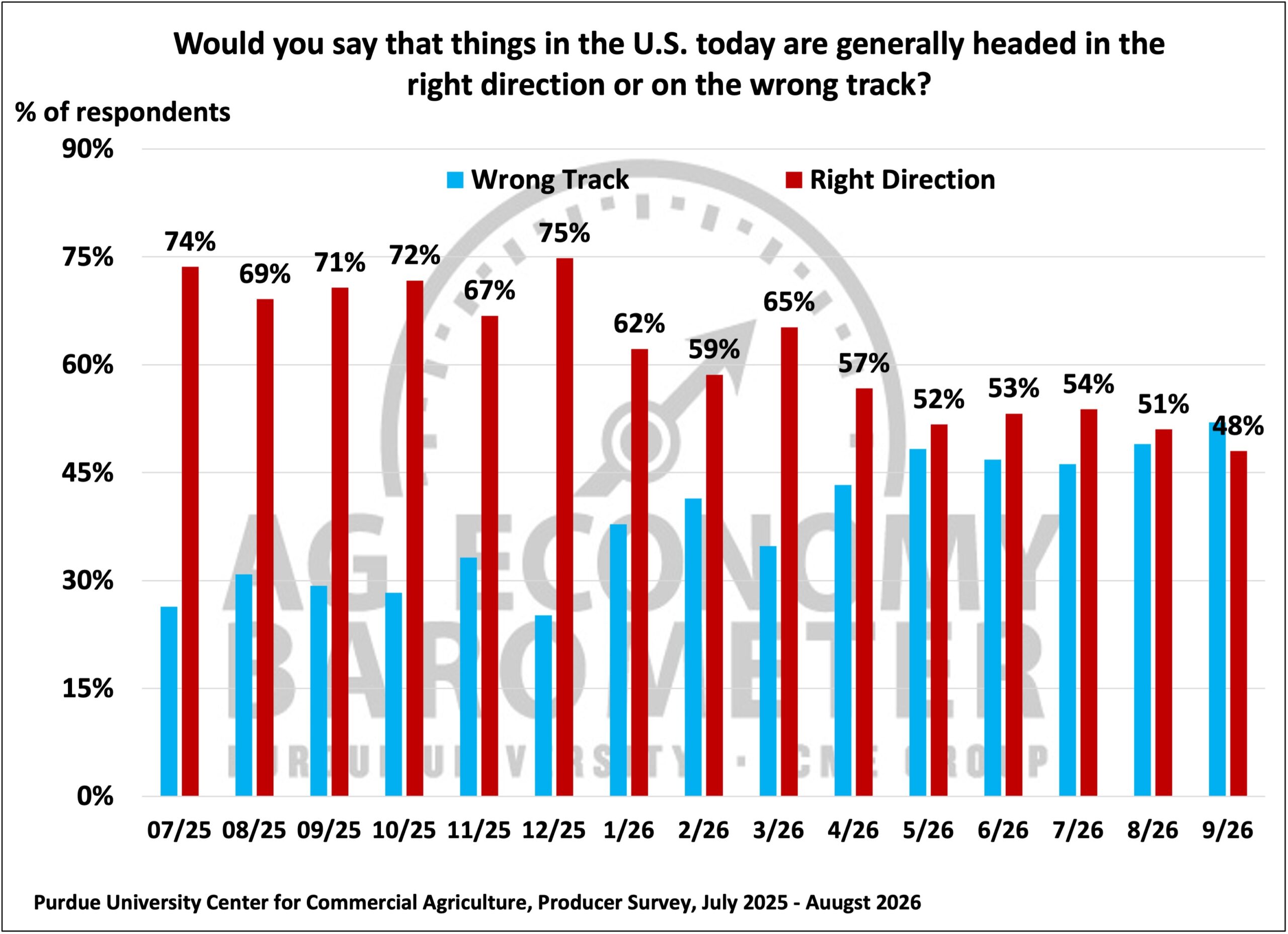
Figure 8. Are Things in the U.S. Today Headed in the Right Direction or on the Wrong Track?
Wrapping Up
Farmer sentiment decreased in September, with the largest deterioration coming from perspectives related to current conditions. The Index of Current Conditions decreased by 18 points, while the Index of Future Expectations decreased by 9 points. Respondents were less optimistic about their financial prospects in the upcoming year, and higher input costs were cited as the biggest concern by over 50% of respondents.
The percentage of respondents who thought that crop producers would have widespread good times in the next five years increased from 29% in August to 40% in September. In contrast, the percentage who thought that livestock producers would have widespread good times decreased from 64% in August to 55% in September.
Despite weaker overall sentiment, long-term expectations for farmland values remained strong, with the Long-Term Farmland Value Expectations Index reaching a new high. At the same time, fewer than half of respondents said the U.S. was headed in the “right direction” for the first time since the question was introduced in July 2025.