

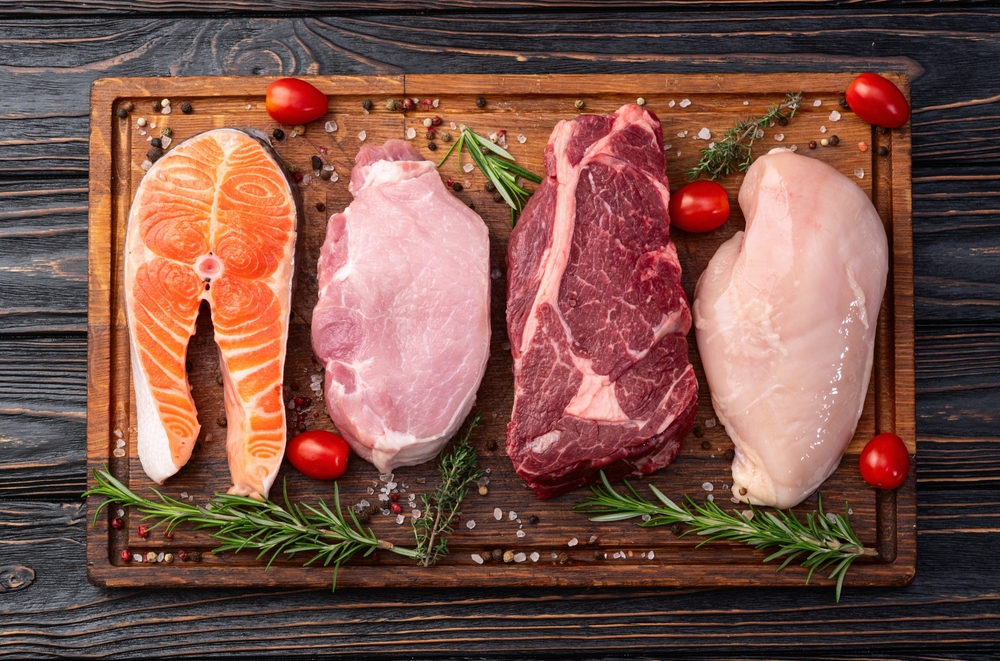
As GLP-1 weight-loss medication usage expands across American households, shifting consumer preferences are driving increased demand for lean protein, smaller beef portions, and poultry, according to CoBank Lead Protein Analyst Brian Earnest. Speaking at the Chicago Federal Reserve’s Midwest Agriculture Conference during a session hosted by the University of Illinois’ Todd Gleason, Earnest highlighted how changing dietary habits are influencing grocery purchasing decisions and livestock market trends.
GLP-1 Users Prioritize Portion Control and Protein Density
With roughly one in four U.S. households now including a GLP-1 user—many of whom serve as primary grocery decision-makers—consumer focus is shifting heavily toward caloric reduction, portion control, and protein-dense foods.
Earnest noted that poultry fits naturally into these dietary adjustments, but beef consumers on GLP-1 medications are also displaying distinct buying patterns. Rather than purchasing large premium cuts like a tomahawk ribeye, GLP-1 users tend to seek smaller, higher-quality options, such as premium ground beef served in four-ounce portions.

Market Implications for U.S. Beef Production and Imports
These shifting consumer preferences coincide with physical changes in the U.S. cattle herd. As domestic cattle carcasses have grown larger and carries more fat, processors require additional lean beef to blend and achieve desired lean-to-fat ratios for ground beef products.
Earnest explained that the need to balance fatter domestic beef with lean trimmings—combined with GLP-1 consumers’ demand for lean, portion-controlled meat—is helping drive the current need for lean beef imports into the United States.







