
Proper mineral and vitamin nutrition contributes to strong immune systems, improved reproductive performance, and calf weight gain. A properly balanced mineral program requires consideration of previous cow and calf mineral nutrition and current diet. Diets with mineral imbalances may cause poor animal performance, resulting in reduced profitability. Much like other nutritional requirements, mineral needs are dependent on forage mineral content, animal age, and stage of production. Knowing the animal’s requirement is only one component in evaluating an animal’s mineral status. Mineral needs also tend to be area specific and change with soil type, fertilization rates, rainfall, and other factors. An understanding of the need for minerals is necessary for making decisions about what and how much mineral to feed.
As a general rule, Oklahoma forages do not have severe mineral deficiencies or high levels of mineral antagonists compared to forages in many other states. Mineral antagonists are those minerals that, when in high enough amounts, may block the availability of other minerals to the animal. That being said, forage mineral concentration is extremely variable and site-specific mineral problems in Oklahoma have been identified.
Several general principles are evident relative to supplementing minerals to grazing beef cattle in Oklahoma. Almost all forage requires salt supplementation as a source of sodium. Summer native range and prairie hay require phosphorus supplementation. Most grasses common to Oklahoma are marginal to deficient in copper and zinc. It is apparent that good quality legume-based forages require very little if any mineral supplementation with the exception of zinc and salt, depending on the amount of this type of hay provided in the total diet. Lush growing forage and forage with a substantial legume component contains significantly higher concentrations of most minerals.
The most common methods of providing supplemental minerals to cattle is through a protein/energy supplement or through a free-choice mineral supplement. Animal to animal variation in intake is greatest with free-choice mineral supplements. Some cattle consume no supplement, while others may consume as much as four or five times the intended daily amount. This variation is reduced considerably when minerals are incorporated into protein/energy supplements that are provided on a regular basis.
Best Management Practices
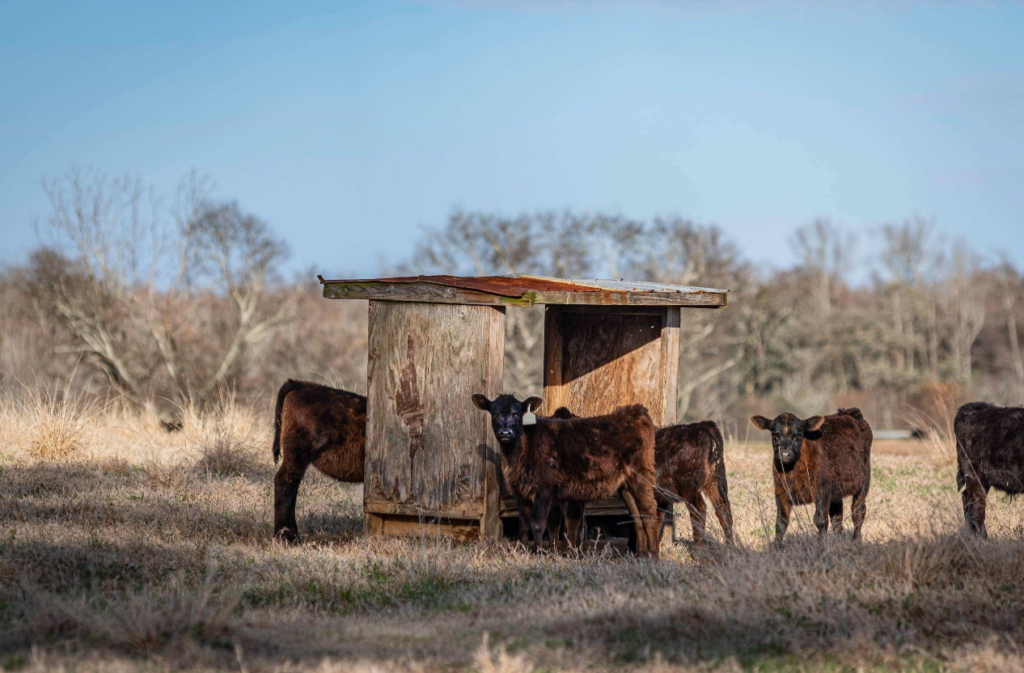
When feeding free-choice mineral supplement, keep mineral available year-around. Over time, this tends to reduce variation in daily intake. Typical loose, free-choice mineral mixes are designed for a 3-ounce to 4-ounce daily consumption per head. Consumption rates naturally fluctuate with the season (e.g., dropping from ~4.5 oz/day in April down to ~2 oz/day by June). Mineral feeder placement is important. Place mineral feeders near water sources, shaded areas, or loafing spots to encourage consistent daily intake. Keep white salt separated from free-choice mineral blends. Anaplasmosis control can be administered through free-choice mineral containing Chlortetracycline (CTC). This requires a valid Veterinary Feed Directive (VFD) from your veterinarian. Fly control can also be administered using a feed-through Insect Growth Regulator (IGR) incorporated into the mineral mix, which passes through the digestive tract into fresh manure to disrupt the horn fly life cycle. It is possible to use CTC and IGR in the same mineral formulation. Producers can utilize forage and water testing (such as through Oklahoma State University’s Soil, Water and Forage Analytical Laboratory) or OSU cattle calculator software to evaluate specific herd needs. More detailed information on Vitamin and Mineral supplementation can be found in the fact sheets re ferenced below.
References:
https://extension.okstate.edu/fact-sheets/vitamin-and-mineral-nutrition-of-grazing-cattle
https://extension.okstate.edu/fact-sheets/supplementing-beef-cows
Choosing the right mineral supplement can be challenging for beef cattle producers. Dr. Dave Lalman, OSU Extension beef cattle specialist, shares practical tips on how to determine exactly what to supplement when using mineral feeders and explains how forage quality, cattle requirements, and management goals influence mineral needs, and why a one-size-fits-all approach may not be effective on SunUpTV from January 24, 2026. https://www.youtube.com/watch?v=ttak4gEU3RU