Agriculture Secretary Tom Vilsack announced the U.S. Department of Agriculture (USDA) is making funding available for agricultural producers and forest landowners nationwide to participate in voluntary conservation programs and adopt climate-smart practices. The Inflation Reduction Act (IRA) provided an additional $19.5 billion over five years for climate smart agriculture through several of the conservation programs …
Category: Ag News

Feb 13
Lucas, Boozman & Braun Reintroduce Legislation to Exclude Agriculture from Burdensome SEC Climate Rules
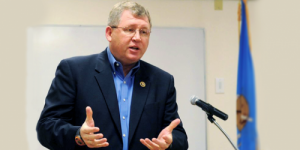
Congressman Frank Lucas (OK-03), the longest-serving Republican on the House Committee and Financial Services and former Chairman of the House Committee on Agriculture, U.S. Senator John Boozman (R-AR), Ranking Member of the Senate Committee on Agriculture, Nutrition, and Forestry, and U.S. Senator Mike Braun (R-IN) reintroduced legislation to protect family farmers and ranchers from burdensome …
Feb 13
USDA Announces Plenary Speakers for the 2023 Agricultural Outlook Forum

The U.S. Department of Agriculture (USDA) announced today the plenary speakers for the 2023 Agricultural Outlook Forum, themed “U.S. Agriculture: Seeds of Growth Through Innovation.” The event will be held in person February 23-24 at the Crystal City Gateway Marriott in Arlington, Va., and all sessions will be livestreamed on a virtual platform. At the …
Feb 13
National Ranching Heritage Center Opens ‘King Ranch – Legacy in Art’ Exhibit
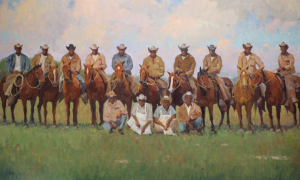
The opening is set for 3:30 p.m. Feb. 24. View the King Ranch through the brush of an artist in a stunning display of paintings opening Feb. 24 at Texas Tech University’s National Ranching Heritage Center (NRHC). An exhibit opening for “King Ranch – Legacy in Art” will take place at 3:30 p.m. Feb. 24 …
Feb 13
A Look Into Israel Flour Milling and Wheat Industry
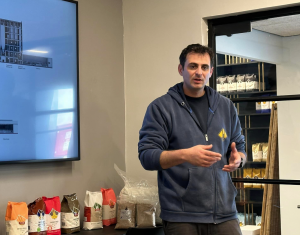
Over the next ten days, Senior Farm and Ranch Broadcaster, Ron Hays, is touring the country of Israel with Class XX of the Oklahoma Ag Leadership Program, looking at all forms of agriculture in the country. After visiting the OALP, one of the most prominent wheat flour mills in Israel, Hays had the chance to …
Feb 13
Performance Beef by Zoetis Offers Cattle Producers Simplified Management Tools
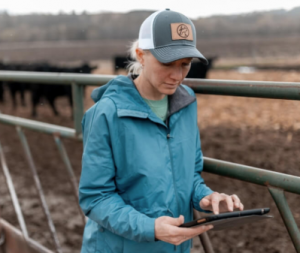
At the 2023 Cattle Industry Convention, Senior Farm and Ranch Broadcaster, Ron Hays, sat down with West Texas Area Growth Manager for Performance Livestock Analytics, Emma Coffman, to talk about Performance Beef by Zoetis. The 2023 Cattle Industry Convention coverage is being powered by Performance Ranch, a part of Zoetis, and by Farm Data Services located in Stillwater, …
Feb 13
NCBA’s Ethan Lane Outlines Priorities for the Wellbeing of the Nation’s Cattle Producers
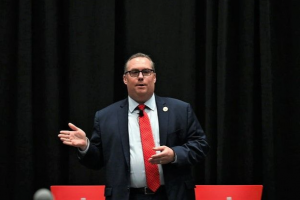
Senior Farm and Ranch Broadcaster, Ron Hays, is visiting with the vice president of governmental affairs at the National Cattlemen’s Beef Association, Ethan Lane, talking about priorities for the NCBA in the fight for the nation’s beef producers. The 2023 Cattle Industry Convention coverage is being powered by Performance Ranch, a part of Zoetis, and by Farm …
Feb 13
USGC Winter Meeting Sets Global Trade Strategy Over The Coming Year
Members of the U.S. Grains Council (USGC) are arriving in Savannah, GA, for the Council’s 20th International Marketing Conference (IMC) and 63rd Annual Membership Meeting, held Feb. 13-15, where they will focus on challenges and opportunities around the world and hold a roundtable forum celebrating the Council’s rich history. The event will also include several …
Feb 13
Pattern Ag releases Predictive Ag Report for 2023 U.S. pest and pathogen risks for Midwest growers

Today, Pattern Ag released its new Predictive Ag Report, a resource corn and soybean farmers can use to make better informed decisions about managing the most economically impactful pests and pathogens, including corn rootworm (CRW) and sudden death syndrome (SDS) in their fields. Pattern Ag operates the world’s largest soil metagenomics database, with more than …
Feb 13
USCA Committee Chairman Earns Spot on National Advisory Committee for Meat and Poultry Inspection
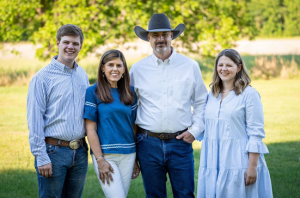
The U.S. Cattlemen’s Association (USCA) is pleased to announce that its Independent Processing Committee Chairman Patrick Robinette earned a spot on the U.S. Department of Agriculture’s (USDA) National Advisory Committee for Meat and Poultry Inspection (NACMPI). This committee advises the U.S. Secretary of Agriculture on matters affecting the Food Safety and Inspection Service’s inspection program activities, including food …
Ron salutes our daily email sponsors!