Category: Ag News

Livestock Biosecurity a Diligent and Serious Task

Livestock Biosecurity a Diligent and Serious Task

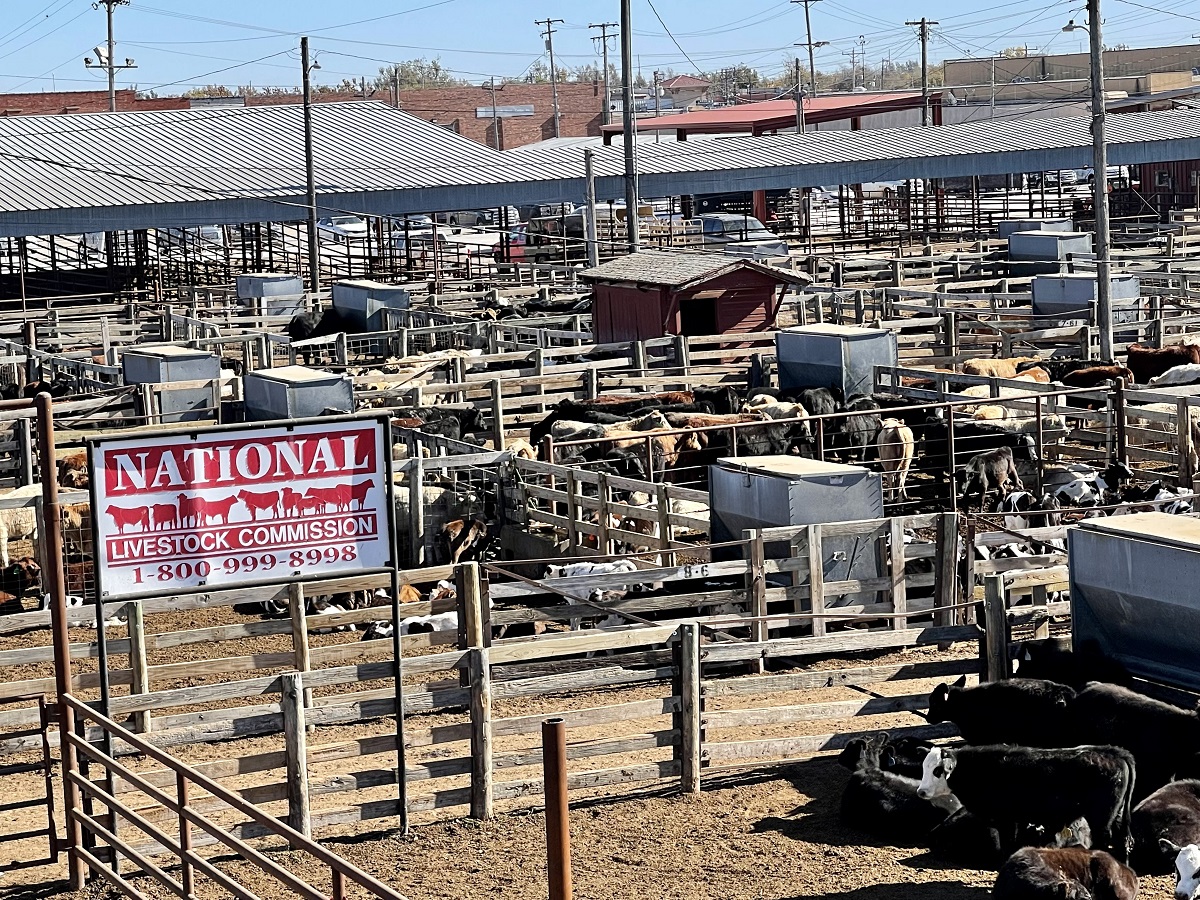
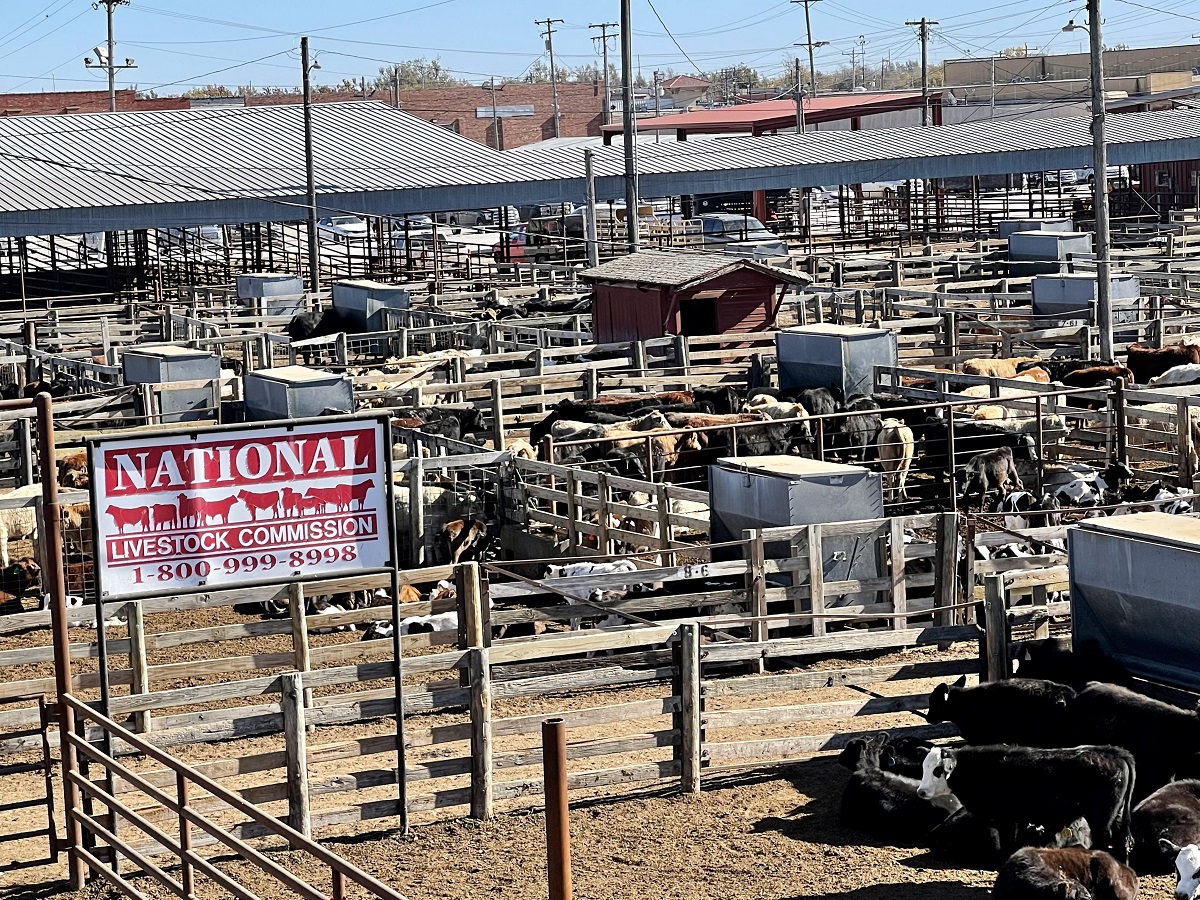
From county jackpots to statewide shows, Oklahoma’s youth livestock arena is competitive and fun, but animal health is a priority.

Not all 4-H and FFA exhibitors can bring home a grand champion ribbon, but they’re still winners when sound biosecurity measures protect livestock from viruses and infectious disease. The public’s awareness of illness and proper hygiene has grown during the past two years, and animal health is no different. Every time an animal encounters another animal, there is potential for transmission.

“It’s very common for cattle to come home from a show and be under the weather,” said Dana Zook, Oklahoma State University Extension livestock specialist for the west district. “It could just be a virus, but there’s always a chance it could be more.”

Rusty Gosz, OSU Extension youth livestock specialist, said event planners have taken serious logistical measures in addition to onsite health management. Those extra protocols include:

• Flipping the timing of breeding and market shows to ensure breeding animals are not exposed to market animals.
• Making market shows terminal.
• Adjusting livestock traffic flow to reduce potential exposures.
• Increasing sanitation practices and using disinfectant sprays on the show grounds, livestock equipment, traffic areas, panels, wash racks and pens.
• Increasing health inspections and the presence of veterinarians.
• Establishing quarantine and exit strategies in the case of a sick animal.

Before the show

Elimination and prevention of animal disease begins with a tidy environment in barns or pens where animals reside at home. Routine cleaning of floors, water and feed troughs, buckets and other equipment provides benefits beyond the spread of harmful agents.

“The value of a biosecurity plan requires a team commitment,” said Rosslyn Biggs, beef cattle Extension specialist at the OSU College for Veterinary Medicine.

“Exhibitors should perform daily health assessments of their animals, keep close records of vaccines and ensure vaccines were administered in an appropriate manner. New animals at home should remain separated from the rest of the herd in isolation for two to three weeks, and animals should be monitored to prevent the exposure of wildlife and other species.”

At the show

Biosecurity precautions also involve a thorough health inspection of animals with accompanying documentation, properly filled out by exhibitors and signed by a licensed veterinarian. Keep that paperwork in an easily accessible spot in a vehicle and have it ready for review upon arrival. This streamlines the check-in process and reduces the amount of time animals must stand in trailers, waiting for clearance to enter the show grounds.

Basic biosecurity measures include clean bedding in an animal’s pen and tie-out area, keeping a well-stocked show box of animal health and safety items recommended by a veterinarian in case of an emergency, and being mindful of the potential for disease at the community wash racks.

“There’s the risk of respiratory disease at the wash racks where multiple animals can stand and touch the same things,” Biggs said. “It’s important to police wash racks and common areas to keep them free of manure, and don’t allow animals to drink from community water tubs.”

Avoiding stacking buckets also can eliminate the spread of a virus or disease. When dirt from the bottom of a bucket touches the inside of another where feed is stored, biosecurity is at risk.

“Animals are affected by dirt and things just like we are,” Zook said. “Preventing a biosecurity hazard involves common sense practices and good personal hygiene.”

After the show

After a long week or weekend away, animals returning home from a show should be quarantined from the rest of the herd for two to three weeks. Avoid nose-to-nose contact with other animals and feed and water the isolated animals in separate buckets and troughs.

“Change up the feeding order to care for the rest of the herd first before isolated animals to prevent spreading something through the entire herd,” Zook said. “Also, if a person has been around isolated animals and must go around other animals, they should take a shower beforehand, wash hands, or put on clean clothes, boots or shoes.”

The key to cleaning

Zook and Biggs also stressed that the most important thing to remember when cleaning equipment at a show or after returning home is to use soap and water first to remove any organic debris, including hay, manure or bed shavings.

“Applying disinfectant directly on organic matter will only inactivate the disinfectant almost instantaneously,” Biggs said. “Once equipment has been thoroughly cleaned, then apply disinfectant at the appropriate contact time.”

With the help of parents, advisors, veterinarians and peers, youth livestock exhibitors can practice a few basic steps to prevent illness in not only their prize animals but also those of their fellow exhibitors across the state. Maintaining a tidy appearance and caring for animals in a clean and responsible way is part of the livestock exhibition experience. Gosz said that while animals are judged in the show ring, exhibitors need to take ownership of their appearance and behavior, which are viewed on a much broader scale. Don’t cut corners with proper biosecurity and health measures; be vigilant and take the task seriously.

“Our livestock shows produce less than 2% of what we’re putting into the food chain, but probably 85% to 90% of the general public views agriculture through livestock shows,” he said. “We carry a huge responsibility of what people see, how clean we are, how we take care of our animals and how we feed our families.”

OSU’s Rancher’s Thursday Lunchtime Series covers this topic in a collection of videos on show cattle fundamentals. Watch Biggs and Gosz discuss biosecurity at youth livestock shows.

OSU Extension uses research-based information to help all Oklahomans solve local issues and concerns, promote leadership and manage resources wisely throughout the state’s 77 counties. Most information is available at little to no cost.


Friday Preopening Market Update with Dave Lanning

Friday Preopening Market Update with Dave Lanning

Click here to listen to audio


RON’s Dave Lanning has a pre-opening look at today’s agricultural Markets.

Click the audio tab below for today’s report.


Feeder Steers and Heifers Steady to Higher, Steer and Heifer Calves Higher at Woodward Livestock Auction

Woodward Livestock Auction Feeder Cattle – Woodward, OK
Thu Aug 18, 2022


AUCTION
This Week             2,988
Last Reported    &…

USDA to Mail Additional Pre-Filled Applications to Producers Impacted by 2020, 2021 Disasters

USDA to Mail Additional Pre-Filled Applications to Producers Impacted by 2020, 2021 Disasters

The U.S. Department of Agriculture (USDA)?today announced another installment (phase) in assistance to commodity and specialty crop producers impacted by natural disaster events in 2020 and 2021. More than 18,000 producers will soon receive new or updated pre-filled disaster applications to offset eligible crop losses. Approximately $6.4 billion has already been distributed to 165,000 producers through USDA’s Farm Service Agency’s (FSA) Emergency Relief Program (ERP).

“We knew when we announced ERP in May that we would have additional applications to send toward the end of the summer as we received new information, and we came to know of producers who were inadvertently left out of the first data set we used,” said USDA Under Secretary for Farm Production and Conservation Robert Bonnie. “I am proud of our team’s continued effort to capture additional insurance records to enable over 18,000 producers to receive new or updated pre-filled disaster applications to provide much needed financial relief.”

FSA will begin mailing pre-filled applications in late August to producers who have potentially eligible losses and:

– Received crop insurance indemnities for qualifying 2020 and 2021 disaster events after May 2, 2022.

– Received crop insurance indemnities associated with Nursery, Supplemental Coverage Option (SCO), Stacked Income Protection Plan (STAX), Enhanced Coverage   Option (ECO) and Margin Protection (MP) policies.

– New primary policyholders not included in the initial insured producer Phase 1 mailing from May 25, 2022, because their claim records had not been filled.

– Certain 2020 prevent plant losses related to qualifying 2020 disaster events that had only been recorded in crop insurance records as related to 2019 adverse weather events and, as such, were not previously provided in applications sent earlier this year.

– New Substantial Beneficial Interest (SBI) records, including SBIs where tax identification numbers were corrected.

Producers are expected to receive assistance direct deposited into their bank account within three business days after they sign and return the pre-filled application to the FSA county office and the county office enters the application into the system.?

Before applying any program payment factors or eligibility criteria, it is estimated that this next installment (phase) may generate about $756 million in assistance.

Emergency Relief Payments to Date

This emergency relief under ERP complements ERP assistance recently provided to more than 165,000 producers who had received crop insurance indemnities and Noninsured Crop Disaster Assistance Program (NAP) payments for qualifying losses. USDA has processed more than 255,000 applications for ERP, and to date, has made approximately $6.4 billion in payments to commodity and specialty crop producers to help offset eligible losses from qualifying 2020 and 2021 natural disasters. Also, earlier this year, staff processed more than 100,000 payments through the Emergency Livestock Relief Program (ELRP) and paid eligible producers more than $601.3 million for 2021 grazing losses within days of the program announcement.

Phase Two

The second phase of both ERP and ELRP will be aimed at filling gaps and provide assistance to producers who did not participate in or receive payments through the existing risk management programs that are being leveraged for phase one implementation. USDA will keep producers and stakeholders informed as program details are made available.????

More Information

In addition, on Aug. 18, 2022, USDA published a technical correction to the Notice of Funds Availability for ERP and ELRP to clarify how income from the sale of farm equipment and the provision of production inputs and services to farmers, ranchers, foresters, and farm operations are to be considered in the calculation of average adjusted gross farm income. Producers whose average adjusted gross farm income is at least 75% of the producer’s the average Adjusted Gross Income can gain access to a higher payment limitation.

ERP and the previously announced ELRP are authorized by the?Extending Government Funding and Delivering Emergency Assistance Act, which President Biden signed into law in 2021. The law provided $10 billion to help agricultural producers impacted by wildfires, droughts, hurricanes, winter storms and other eligible disasters experienced during calendar years 2020 and 2021.

For more information on ERP and ELRP eligibility, program provisions for historically underserved producers as well as Frequently Asked Questions, producers can visit FSA’s Emergency Relief webpage.?A new public-facing dashboard?on the ERP webpage has information on ERP payments that can be sorted by crop type – specialty or non-specialty– specific commodities and state. FSA will update the dashboard every Monday.

Additional USDA disaster assistance information can be found on?farmers.gov, including the?Disaster Assistance Discovery Tool,?Disaster-at-a-Glance fact sheet and?Farm Loan Discovery Tool. For FSA and Natural Resources Conservation Service programs, producers should contact their local?USDA Service Center. For assistance with a crop insurance claim, producers and landowners should contact their?crop insurance agent.?????

USDA touches the lives of all Americans each day in so many positive ways. Under the Biden-Harris administration, USDA is transforming America’s food system with a greater focus on more resilient local and regional food production, fairer markets for all producers, ensuring access to safe, healthy and nutritious food in all communities, building new markets and streams of income for farmers and producers using climate smart food and forestry practices, making historic investments in infrastructure and clean energy capabilities in rural America, and committing to equity across the Department by removing systemic barriers and building a workforce more representative of America. To learn more, visit usda.gov.

USDA is an equal opportunity provider, employer and lender.


Oklahoma Grain Elevator Cash Bids as of 2 p.m. August 18, 2022

Oklahoma Grain Elevator Cash Bids as of 2 p.m. August 18, 2022

The U.S. Department of Agriculture and the Oklahoma Department of Agriculture are now putting the Daily Cash Grain Report into a PDF format – we are saving that PDF and archiving them for today’s specific report. To see today’s update, click on the PDF report link at the bottom of this story.

In addition to the PDF of the daily report, you can also listen to the Cash Grain Report by calling 405-621-5533. Push 2 for the grain report.

Click here:


Government Needs to Get Out of the Way; Allow Auction Owners to Drive Packing Capacity and Competition

The cattle industry and policy makers agree – we need to increase U.S. beef packing capacity, ideally by adding new competitors to the marketplace. Livestock Marketing Association (LMA) is leading the charge to change an outdated rule keepi…

Kim Anderson says 2023 Wheat Prices Will Have to Be High to Combat Input Prices

Kim Anderson says 2023 Wheat Prices Will Have to Be High to Combat Input Prices

Click here to listen to audio

This week on SUNUP is Dr. Kim Anderson, Oklahoma State University Extension grain market economist. During this week’s edition, Anderson talks about wheat prices and factors to consider when planting to make a profit this year.

“They’ve got to put a sharp pencil to figure out their costs and returns,” Anderson said. “You look at the old cliché, if you can’t make a profit with a pencil and pen at the desk, you’re probably not going to make a profit with a tractor in a field.”

With high input prices this year, Anderson said profits may be reduced if there is not a relatively good price for wheat.

“Going back to COVID 2019 and since then, nitrogen prices have increased about 80 percent,” Anderson said. “They have come down a little bit over the last couple of weeks.”

Phosphorus and potassium have increased by 26 percent, Anderson said, diesel is up 60 percent and machinery is up by 25 percent.

“We are going to have to have a higher price,” Anderson said. “Looks like we are going to get it because of the stocks-to-use ratio.”

Anderson said the stocks-to-use ratio for hard red winter wheat stocks has dropped from 61 percent in 2019 to now 39 percent.

“You look at all U.S. wheat, it has dropped from 50 percent to 31 percent,” Anderson said. “World stocks-to-use ratio went from 39 percent to 34 percent. The world needs wheat. If there is no profit in producing wheat, there is not going to be any wheat. There will be a profit to produce wheat for most producers.”

Anderson talked about what the market is offering now for 2023 harvested wheat.

In northern Oklahoma, Anderson said the Kansas City July ’23 contract price is $8 to $8.10 minus 70 cents. In the panhandle, Anderson said it is $8.20 to $8.30 for July contract minus 50 cents.

“Southern Oklahoma is $7.70 and that contract minus a dollar, so relatively good prices looking into 2023,” Anderson said. “You look at summer crops and crop conditions, corn and cotton are in the low ‘40s. The five-year average is in the mid- ‘60s.”

Anderson also talked about summer crop conditions and prices. To listen to Anderson’s audio, click the LISTEN BAR below.

This week on SUNUP:

• We welcome the new program coordinator for the Oklahoma Quality Beef Network, Paul Vining, and learn details about upcoming sale dates.
Wes Lee, OSU Extension Mesonet agricultural coordinator, discusses the recent cool front that hit the state. State climatologist Gary McManus says the seasonal drought outlook could improve in the coming months.
Derrell Peel, OSU Extension livestock marketing specialist, says beef prices remain strong even with all the challenges in the markets.
Kim Anderson, OSU Extension grain marketing specialist, discusses how drought is impacting summer crop prices.
Mark Johnson, OSU Extension beef cattle breeding specialist, has recommendations for which cows to cull from your herd during drought.
• SUNUP previews upcoming sorghum field tours and a soil training event.
Rosslyn Biggs, OSU Extension beef cattle specialist, has information on practicing good biosecurity measures during county and state fair season.
• Finally, we attend a recent event honoring Professor Larry Sanders and his extensive work with military veterans.

Join us for SUNUP:
Saturday at 7:30 a.m. & Sunday at 6 a.m. on OETA-TV
YouTube.com/SUNUPtv
SUNUP.okstate.edu


August 18, 2022, Market Wrap-Up with Justin Lewis

August 18, 2022, Market Wrap-Up with Justin Lewis

Click here to listen to audio

Listen to today’s report with Justin Lewis, by clicking or tapping on the LISTEN bar


USDA Announces Livestock Producers in 64 Oklahoma Counties Are Eligible for Drought Recovery Assistance

The U.S. Department of Agriculture’s Farm Service Agency (FSA) is now accepting applications for the Livestock Forage Disaster Program (LFP) to provide financial assistance to eligible livestock producers for 2022 grazing losses due t…

USDA Announces First Three Lenders for Heirs’ Property Relending Program

USDA Announces First Three Lenders for Heirs' Property Relending Program

The U.S. Department of Agriculture (USDA) announced that Akiptan, Inc., the Cherokee Nation Economic Development Trust Authority (CNEDTA) and the Shared Capital Cooperative have been approved or conditionally approved as intermediary lenders through the Heirs’ Property Relending Program (HPRP). Once HPRP loans with these lenders close, these lenders will help agricultural producers and landowners resolve heirs’ land ownership and succession issues. Additionally, USDA encourages more intermediary lenders, including cooperatives, credit unions and nonprofit organizations to apply. Currently, more than $100 million of HPRP funding is available for these competitive loans.

Heirs’ property is family land that has been passed down to descendants without a will or deed to prove ownership. Without proof of ownership, it may become difficult for heirs to obtain federal benefits for farms and could force partition sales by third parties. Heirs’ property issues have long been a barrier for many producers and landowners to access USDA programs and services, and this relending program provides access to capital to help heirs find a resolution.

“Through this opportunity, heirs can formalize land ownership and succession issues, which have long prevented so many from accessing USDA programs and services,” said Zach Ducheneaux, Administrator of USDA’s Farm Service Agency (FSA). “USDA is committed to revising policies to be more equitable and this program is an instrumental part of the effort to provide opportunities to bring and keep agricultural land in agriculture and allow producers nationwide to create generational wealth.”

Relending to Heirs

HPRP intermediary lenders will reloan funds to eligible heirs to resolve title issues by financing the purchase or consolidation of property interests and financing costs associated with a succession plan. This may also include costs and fees associated with buying out fractional interests of other heirs in jointly owned property to clear the title, as well as closing costs, appraisals, title searches, surveys, preparing documents, mediation, and legal services.

Who is Eligible?

Intermediary lenders may make loans to heirs who:

• Are individuals or legal entities with authority to incur the debt and to resolve ownership and succession of a farm owned by multiple owners;
• Are a family member or heir-at-law related by blood or marriage to the previous owner of the property;
• Agree to complete a succession plan.

These are loans (not grants) and will need to be paid back at interest rates set by the lenders.

Heirs may not use loans for any land improvement, development purpose, acquisition or repair of buildings, acquisition of personal property, payment of operating costs, payment of finders’ fees, or similar costs.

Who Heirs Can Contact for Additional Information

Akiptan, Inc

• Service Area: Nationwide, targeting Indian Country.
• Contact: Skya Ducheneaux, (605) 964-8081

Cherokee Nation Economic Development Trust Authority (CNEDTA)

• Service Area: Producers in rural areas (as designated by USDA) of the 14 counties, in whole or in part, encompassing the Cherokee Nation Reservation. Borrower(s) must reside in the Service Area and land must be agricultural land located in the Service Area.
• Contacts: Stephen Highers, (918) 207-3955; and Brian Wagman, (918) 453-5531, sbac@cherokee.org

Shared Capital Cooperative, which has a partnership with Federation of Southern Cooperatives

• Service Area: Producers in the states of: Alabama, Florida, Georgia, Louisiana, Mississippi and South Carolina
• Contact: Christina Jennings, (612) 767-2114; and Dania Davy, (404) 765-0991 or info@federation.coop

Additionally, USDA will share information on farmers.gov/heirs/relending.

FSA may be able to provide additional assistance through the farm ownership and operating loan programs to assist heirs in financing other credit needs in conjunction with a HPRP loan provided by an intermediary.

Information for Lenders

USDA is also opening a second opportunity for eligible entities interested in becoming intermediary lenders under HPRP. Loans of up to $5 million at 1% interest are available. Once the new application period is opened, eligible lenders may apply using the HPRP application form (FSA-2637) (PDF, 450 KB) and provide the required application documentation, including a relending plan, copy of CDFI certification, financial statement for the past three years, current financial statement, documents of incorporation, and any supporting documents related to experience.

Submit these documents electronically at sm.fpac.fsa.wdc.hprp@usda.gov or by mail to Heirs’ Property Relending Program, Office of the Deputy Administrator for Farm Loan Programs FSA, U.S. Department of Agriculture 1400 Independence Avenue SW, Stop 0522 Washington, DC 20250-0522. There is currently more than $100 million available for these loans. Approved intermediary lenders will determine the rates, terms and payment structure for loans to heirs subject to USDA’s approval, with interest rates covering the cost of operating and sustaining the loan.


Intermediary lenders must:

• be certified as a community development financial institution, and
• have experience and capability in making and servicing agricultural and commercial loans that are similar in nature.

If applications exceed the amount of available funds, FSA will prioritize applicants that both:

• have at least 10 years or more of experience with socially disadvantaged farmers; and
• are located in states that have adopted a statute consisting of enactment or adoption of the Uniform Partition of Heirs Property Act (UPHPA) will receive first preference. A list of these states is available at farmers.gov/heirs/relending.

More Information

While owners of heirs’ properties may lack proof of ownership or control of land, FSA provides alternative options that allow an heir to obtain a farm number. In states that have adopted the UPHPA, producers may provide specific documents to receive a farm number.

To learn more about heirs’ property, HPRP, or UPHPA, visit farmers.gov/heirs or farmers.gov/heirs/relending.

USDA touches the lives of all Americans each day in so many positive ways. In the Biden-Harris Administration, USDA is transforming America’s food system with a greater focus on more resilient local and regional food production, fairer markets for all producers, ensuring access to safe, healthy and nutritious food in all communities, building new markets and streams of income for farmers and producers using climate smart food and forestry practices, making historic investments in infrastructure and clean energy capabilities in rural America, and committing to equity across the Department by removing systemic barriers and building a workforce more representative of America. To learn more, visit usda.gov.


Verified by MonsterInsights