Tue, 20 Sep 2022 09:13:50 CDT
Mark Johnson, Oklahoma State University Extension Beef Cattle Breeding Specialist, offers herd health advice as part of the weekly series known as the "Cow Calf Corner" published electronically by …


Sep 20
Tue, 20 Sep 2022 09:13:50 CDT
Mark Johnson, Oklahoma State University Extension Beef Cattle Breeding Specialist, offers herd health advice as part of the weekly series known as the "Cow Calf Corner" published electronically by …
Sep 20
Tue, 20 Sep 2022 08:13:53 CDT
Many top farmers and agronomists are insisting next crop’s success starts right now – when your combine leaves the field – and they’re using a post-harvest application of EXCAVATOR&tr…
Sep 20
Tue, 20 Sep 2022 03:31:22 CDT
Joplin Regional Stockyards
Mon Sep 19, 2022
AUCTION
This Week 5,125
Last Reported &nb…
Sep 20
Tue, 20 Sep 2022 03:28:12 CDT
Oklahoma National Stockyards
Mon Sep 19, 2022
AUCTION
This Week 6,800
Last Reported &…
Sep 19
Mon, 19 Sep 2022 15:14:59 CDT
The U.S. Department of Agriculture and the Oklahoma Department of Agriculture are now putting the Daily Cash Grain Report into a PDF format – we are saving that PDF and archiving them for today’s specific report. To see today’s update, click on the PDF report link at the bottom of this story.
In addition to the PDF of the daily report, you can also listen to the Cash Grain Report by calling 405-621-5533. Push 2 for the grain report.
Sep 19
Mon, 19 Sep 2022 13:48:35 CDT
The Oklahoma Wheat Commission just released the Oklahoma Wheat Brief for Summer/Fall of 2022. This edition highlights the best of recent news, progress and events in the Oklahoma wheat industry through an as…
Sep 19
Mon, 19 Sep 2022 13:31:51 CDT

Listen to today’s report with Justin Lewis, by clicking or tapping on the LISTEN bar
Sep 19
Mon, 19 Sep 2022 11:50:44 CDT
Majority of America’s farm households now rely on jobs and income outside of agriculture
U.S. farmers’ and ranchers’ increasing dependence on off-farm employment and income reveals the…
Sep 19
Mon, 19 Sep 2022 11:13:38 CDT
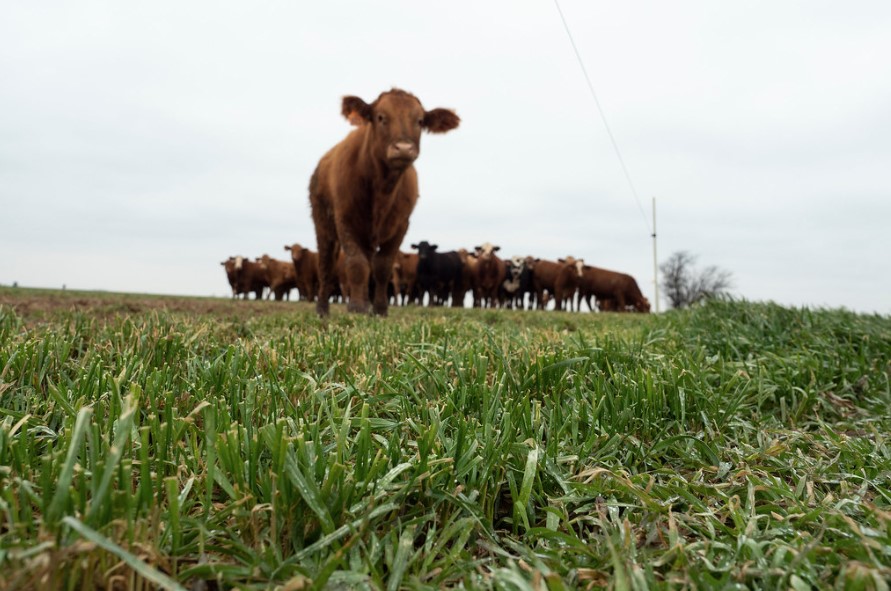
Drought conditions are still a major factor right now as producers strategize when and how much wheat to sow over the next few weeks.
A current lack of subsoil moisture limits wheat’s potential to sprout and germinate, and some farmers may decide to “dust in” wheat. The Oklahoma State University Extension fact sheet on planting dual purpose wheat explains dusting it in as a technique that plants seeds in shallow soil (less than 1 inch) in the hopes of rainfall later this fall.
Greg Hartman, agriculture and 4-H educator for Oklahoma State University Extension in Washita and Beckham counties, said in addition to the heat and dry climate, grasshoppers and armyworms are still present and could damage tender wheat seedlings. However, ranchers in desperate need of fall grazing pastures may already have some wheat in the ground.
“Everybody is getting anxious (to plant) as the days get shorter,” he said. “A lot of people think Sept. 15 is the optimal time to plant according to old timers, but it’s been proven by OSU researchers that whether you plant on Aug. 20 or Sept. 15, it’s all about on the same pace come Nov. 15.”
Only 15-20% of the wheat planted in Hartman’s area of western Oklahoma will be harvested for grain. The rest is used as a forage source for cattle. Hartman encourages producers to ask their county OSU Extension office for assistance in conducting a soil test before planting. Residual nitrogen and other minerals are common this year in soil results because of drought conditions.
Josh Bushong, OSU Extension area agronomist for the west district, explained on a recent episode of the Extension Experience podcast that nitrogen and residue management affect forage yields in wheat pastures.
“If you have a lot of residue from the previous wheat crop or failed summer crop, you’re going to have a harder time getting pasture established,” he said. “While the crop residue has benefits such as soil water retention, it can make it more difficult to get proper seed to soil contact for good seed germination. Focus on fallowed or tilled fields for fall pasture, and for those other fields (with residual nitrogen tied up in the crop residue), delay planting until October and target just a grain crop instead of forage and grain.”
Bushong said producers planting wheat for fall pasture should make available at least 60 pounds of nitrogen per acre (between soil residual and applied fertilizer) to ensure at least a ton of forage production. For a grain-only crop, he recommends no more than 40 pounds.
“If you’re turning cattle out to fall pasture, the biggest thing is early establishment,” Bushong said. “The quicker we can get that plant up and growing, the more biomass we’re going to produce in the fall.”
For farmers sowing dual-purpose wheat, 90 to 120 pounds of seed per acre is the normal rate. Bushong said producers should calculate their seeding rates based on forage needs and expected stocking rates of a pasture.
The rising costs of fuel, fertilizer and other materials are also a variable this fall. Kim Anderson, OSU Extension grain marketing specialist, said wheat prices have leveled out and show little volatility right now, but international pressures, such as the war in Ukraine and the building conflict between China and Taiwan, could quickly move market prices in either direction.
“We could see $6 bushel per acre wheat or $14 bushel per acre wheat (next year), but the market is telling us right now that we’re going to see $8 per acre,” Anderson said.
OSU Extension uses research-based information to help all Oklahomans solve local issues and concerns, promote leadership and manage resources wisely throughout the state’s 77 counties. Most information is available at little to no cost.
Sep 19
Mon, 19 Sep 2022 10:39:09 CDT
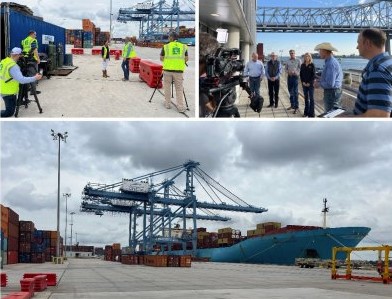
Later this month, viewers of Cattlemen to Cattlemen on RFD-TV will get a firsthand look at the value of corn and beef exports at the Port of New Orleans. In 2021, beef and port exports accounted for 537 million bushels of corn usage.
“The U.S. is the world’s leading exporter of corn and when you pair that with the success of exports of the beef industry, it is an important demand driver for corn farmers,” said National Corn Growers Association (NCGA) incoming President and Minnesota farmer Tom Haag. “Being at the Port of New Orleans for this episode was a great backdrop because of the amount of agricultural goods and product that goes out of this port.”
Panel participants include Tom Haag, incoming NCGA President and Minnesota farmer; National Cattlemen’s Beef Association (NCBA) President and Minnesota farmer Don Schiefelbein; NCGA Market Development Action Team Chair and Colorado corn and beef producer Troy Schneider; and Kyla Hamilton, a Texas corn and beef producer who also serves on MDAT. Special interview segments are also a part of the show this year, with Janine Mansour who is head of business development for the Port of New Orleans and Dean Myers, Chair-Elect of the U.S. Meat Export Federation (USMEF).
NCGA’s Market Development Action Team (MDAT) funded this initiative. The episode will air on Tuesday, September 27th on RFD-TV at 8:30 PM ET. You can watch last year’s episode here.
NCBA’s Cattlemen to Cattlemen is a television show for cattlemen created by cattlemen. Colorado cattle producer Kevin Ochsner hosts the show..