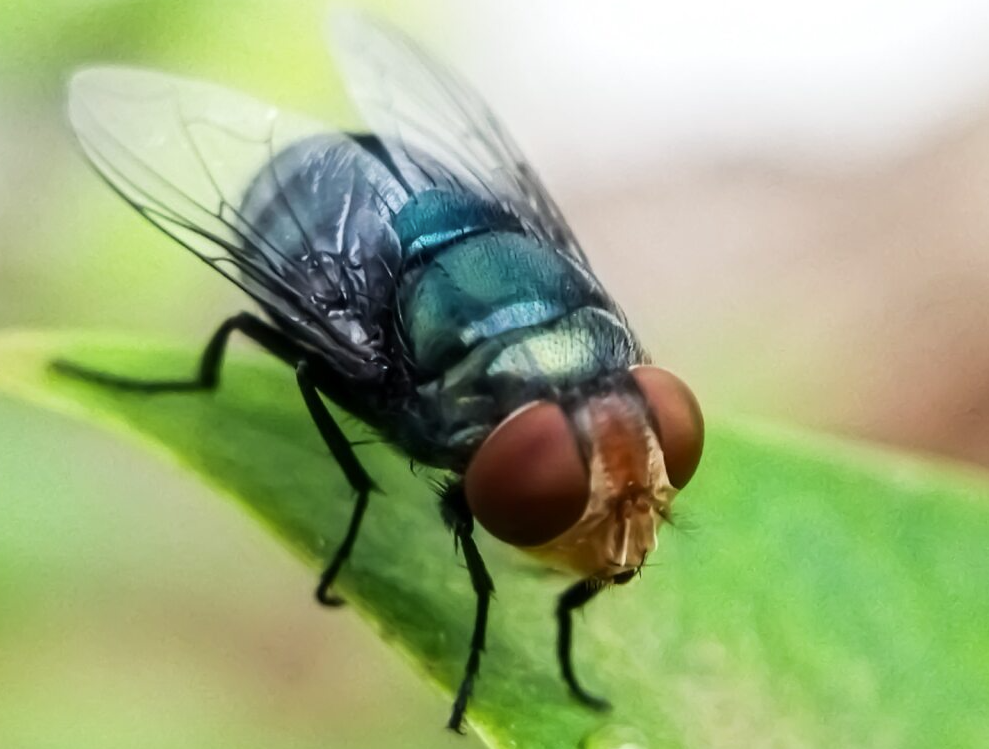
Media reports indicate that on Dec. 2 the U.S. Dept. of Agriculture’s Animal and Plant Health Inspection Service (APHIS) confirmed the third case of New World Screwworm (NWS) in close proximity to the United States border. This is the third case reported in Nuevo León, Mexico. The first case was detected in September within about 70 miles of the Texas border, the second detection was in early October and within about 120 miles of the border, and this latest case was also detected within about 120 miles from Texas.
Reports indicate the latest NWS infestation was found in a bovine transported from Veracruz, in southern Mexico, northward to a feedlot in Nuevo León, a distance of approximately 500 miles. The two earlier cases were likewise found in bovines transported northward from southern Mexico.
R-CALF USA CEO Bill Bullard issued the following statement in response to this latest reported detection of NWS in close proximity to the U.S.-Mexico border:
“We commend Secretary Rollins’ ongoing actions to prevent the introduction of NWS into the United States. Those actions include closing U.S. ports to imports of cattle, bison and horses from Mexico; maximizing the United States’ readiness through emergency management plans; expediting the production of sterile NWS flies to reduce the pests’ population in Mexico and to push it south of Panama; and supporting innovative research to further enhance eradication efforts.
“It is obvious that Mexico’s ongoing practice of moving cattle from its southern region, where NWS cases remain active, to its northern region increases the United States’ risk of the pests’ introduction.
“It is equally obvious that Mexico is not adequately enforcing restrictions on the northward movement of cattle within its borders.
“We urge the USDA to take steps to convince Mexico to halt all northward cattle movement within its borders and to fully investigate the earlier reports of illegal cattle trafficking from Central America into Mexico.
“Mexico’s ongoing outbreaks of NWS are a serious threat to U.S. livestock and wildlife, and the U.S. should continue prohibiting the importation of cattle, bison and horses from Mexico until Mexico can demonstrate that it has eradicated this devastating pest from within its borders.”