
Lessons from 2025: Preparing for Disease, Pests, and Weed Control in the 2026 Crop Season
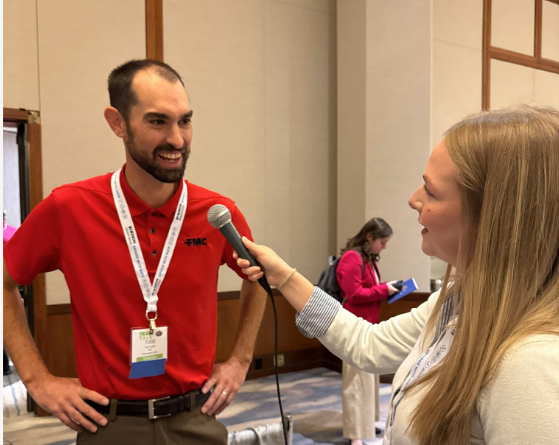
As the agricultural community turns the calendar from the 2025 growing season to 2026, reflection is key to preparation. In a recent interview with Oklahoma Farm Report’s Maci Carter, Todd Cogdill with FMC emphasized that producers need to learn from the specific challenges of the past year—particularly Southern Rust, aggressive pests, and weed seed banks—to protect their investments in the upcoming season.
The Disease Lesson: Don’t Let Rust Catch You Off Guard
The 2025 season served as a harsh reminder of how quickly disease pressure can escalate. Cogdill told Carter that environmental factors created a perfect storm for Southern Rust, a fungal disease that can severely impact corn yields.
“2025 really showed us just that we need to be prepared for, you know, anything and everything,” Cogdill said. “Southern Rust really took off here in 2025… weather conditions were supportive for Southern Rust down in Mexico, South Texas… strong southern winds bring that inoculum load up into the center part of the United States.”
The combination of early rainfall, high heat, and humidity allowed the disease to thrive. The takeaway for 2026 is the importance of timely fungicide application rather than waiting for symptoms to become unmanageable.
“Being out there at a timely… effective application of industrial fungicide really proved to be a great return on investment,” Cogdill advised.
Pest Management: The Armyworm Threat
Beyond disease, 2025 saw significant pest pressure, specifically from armyworms, which can devastate forage and hay crops rapidly. Cogdill highlighted to Carter that these pests have become increasingly aggressive and difficult to control with older chemical classes.
“They can decimate a hay crop… in a very short period of time,” Cogdill warned.
A major concern going into 2026 is resistance. Standard pyrethroid insecticides are showing decreased effectiveness against armyworm populations. To combat this, Cogdill recommends shifting to newer chemistries like Coragen eVo, which offers a low use rate and long residual activity to manage these pests more effectively.
Weed Control: The Economic Impact of “Catch Up”
Perhaps the most critical economic advice for 2026 revolves around weed management. Cogdill stressed that allowing weeds to go to seed isn’t just a single-season problem—it creates a multi-year financial burden.
“200 to 500,000 weed seeds from a single plant… that can be years worth of catch up you’re going to be playing,” Cogdill explained.
To avoid this “catch up” game, FMC recommends a robust pre-emergent program. Using strong residual herbicides like Authority Supreme or Authority Edge early in the season, followed by overlapping residuals such as Anthem Max, can keep fields clean and prevent the weed seed bank from exploding.
Looking Ahead
As growers finalize their plans for 2026, Cogdill’s advice to Carter and the Farm Report audience is to look critically at what failed in 2025.
“Look at those things that you thought, ‘Hey, maybe my weed control wasn’t as good as I would have liked’ and consider switching,” Cogdill said.
By adjusting strategies now—switching fungicide timing, rotating insecticide modes of action, and layering residual herbicides—producers can position themselves for a more profitable 2026.