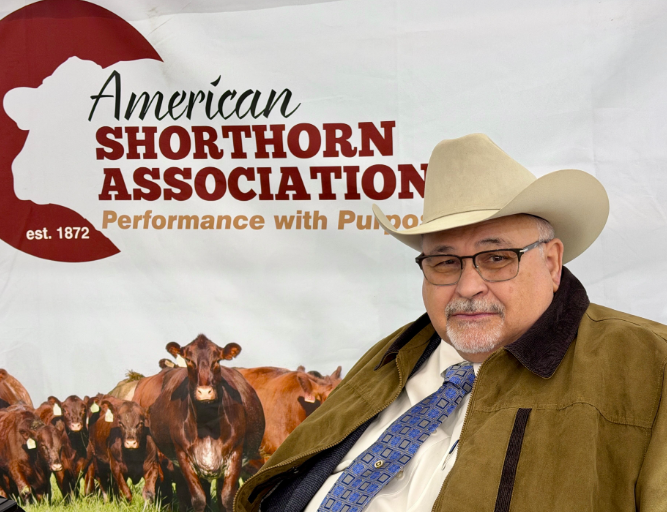
In today’s Beef Buzz, senior farm and ranch broadcaster Ron Hays speaks with Montie Soules of the American Shorthorn Association, as the Shorthorn breed once again takes center stage at Cattlemen’s Congress. Soules says the event has become a major destination for Shorthorn breeders, noting that participation continues to grow. “Our breeders gravitate here, and like this year, I’m told this is the largest breed show here,” he said, adding, “the Shorthorn is the largest breed show.”
Looking at the overall health of the breed, Soules describes steady progress and meaningful growth. From a registration standpoint, he says numbers are up a few hundred head, but the bigger story is the long-term trend. “We’ve registered over 15,000 head over the last five years, which is the first time in probably 20–25 years that that’s happened,” Soules explained. He also points to increased bull sales and transfers as a sign that Shorthorns are gaining traction beyond the show ring. “We’ve seen an increase in the acceptance of Shorthorn cattle in the commercial cattle segment, which is equally as important as this end of the business,” he said.
Soules also highlighted the Shorthorn EDGE Show, which blends genomics and phenotype in a unique way. “Those cattle have to be genomically EPD,” he said, explaining that the judge receives performance data in advance and visual appraisal happens separately. The final placing is split evenly. “It’s a 50/50 deal. It’s all weighted 50/50,” Soules said, calling it a practical way to marry science and appearance. He added, “If you’ll just let the science take care of it for you, truly, you marry the phenotype and the data.”
When asked about possible changes to red meat yield grading, Soules acknowledged the complexity of the issue but sees opportunity for Shorthorns. “The system probably needs upgraded, just like everything else,” he said. He believes genetic progress has already reshaped carcass performance, noting, “We can actually get yield grade ones and twos that will grade prime.” According to Soules, the industry may not fully appreciate how far beef producers have come. “We have improved our product so much for the consumer that I don’t think the industry really grasps what we’ve done,” he said.
Looking ahead, Soules says the future of the beef industry will be shaped by economics, genetics, and mindset. High cattle prices reflect tight supplies, and he doesn’t expect herd numbers to rebound quickly. Long term, he believes hybrid vigor and performance data will play a bigger role. “Our purebred beef producers are going to have to give up a little bit of that religious loyalty to their breed and start taking more interest in the performance data,” Soules said. For that commercial cattle man, “Hybrid vigor for our commercial commercial customer is free- they need to take advantage of it.” He summed up the Shorthorn Association’s direction plainly: “A breed without commercial acceptance doesn’t have an existence.”
The Beef Buzz is a regular feature heard on radio stations around the region on the Radio Oklahoma Ag Network and is a regular audio feature found on this website as well. Click on the LISTEN BAR for today’s show and check out our archives for older Beef Buzz shows covering the gamut of the beef cattle industry today.