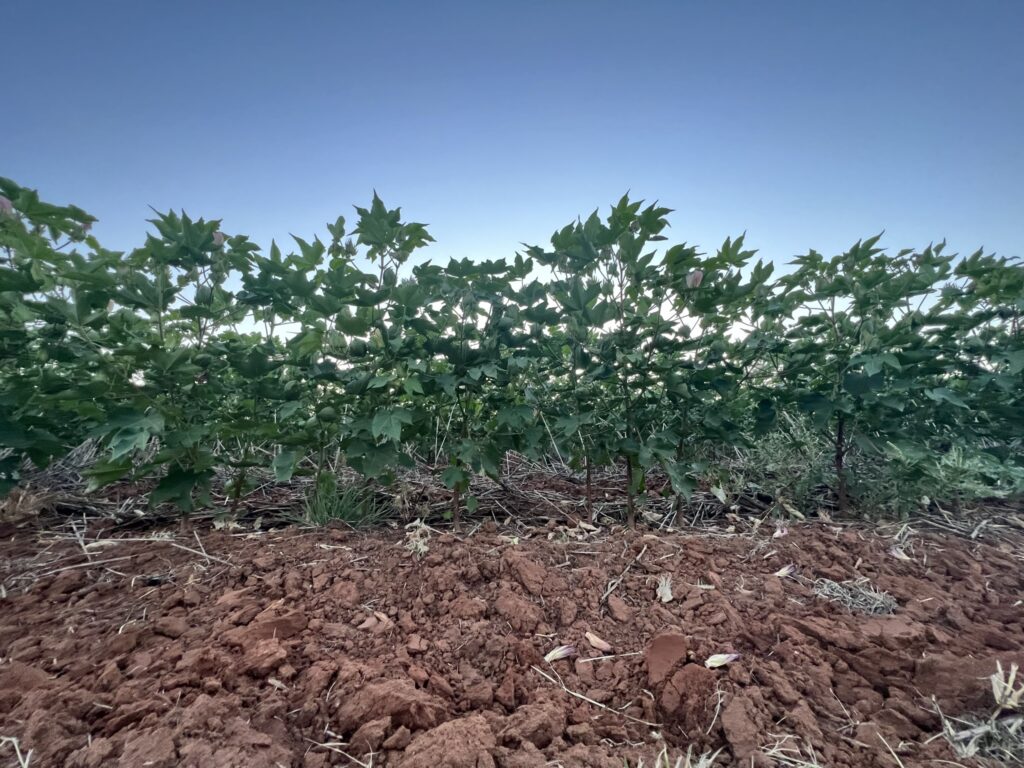
Taking a Look at the Oklahoma Cotton Outlook As Oklahoma producers brace for the 2026 planting season. Oklahoma State University Cotton Extension Specialist Jenny Dudak joined Farm Director KC Sheperd to discuss the current state of the industry, variety trial results, and crucial regulatory updates.
While the winter months often represent a “slower time” for the cotton industry, producers are currently analyzing data to make planting decisions for the upcoming season. regarding acreage projections, Dudak noted that while it is early, she expects stability in the numbers.
“From what I can see, I think we will remain about the same, pretty steady to what we were in 2025,” Dudak said.
Top Yielding Varieties of 2025
A primary focus for producers right now is seed selection. Dudak shared the top three yielding varieties from the 2025 race trials across four key Oklahoma counties. She noted that while some bolls, specifically Stoneville 6000, looked small during harvest, they “played out in yield” once ginned.
Caddo County Top Yielders:
- Deltapine 2525
- Deltapine 2333
- FiberMax 814
Jackson County Top Yielders:
- Deltapine 2541
- Deltapine 2333
- Stoneville 6000
Harmon County Top Yielders:
- Deltapine 2525
- NexGen 3434
- NexGen 4507
Washita County Top Yielders:
- FiberMax 814
- Stoneville 6000
- Deltapine 1948
Dudak highlighted that the Washita County location was the only dryland trial conducted last year, suggesting that producers look at those specific varieties for performance in non-irrigated conditions.
Weather Concerns and Soil Moisture
Looking toward spring, soil moisture remains a significant concern. While the 2025 crop benefited from timely rains, current conditions are less favorable.
“I was actually just looking at the drought monitor from the Mesonet last week and we are, in some places, [in] severe drought,” Dudak explained. “I am a little bit nervous going into cotton planting season.”
However, she remained optimistic, noting that there are still a couple of months before planting begins, with rain currently in the forecast.
Dicamba Regulations and Stewardship
Dudak also addressed the recent EPA restrictions regarding Dicamba, a critical tool for weed management in cotton. With the label set to go under review again in two years, she urged producers to exercise extreme caution and compliance.
“What I would suggest to our producers that use Dicamba is to make sure we’re following that label very closely and being good stewards of that product to maybe ensure in two years we can still have that product,” Dudak said. “It is a crucial product to a lot of our cotton acres here in Oklahoma.”
Upcoming Research and Events
For producers looking for the latest research, Dudak is traveling to Lubbock, Texas, for the Southwest Cotton Physiology Conference, running from February 10 through February 12. The event will feature Extension researchers from Texas A&M, Kansas State, and Oklahoma State discussing topics ranging from nematodes and soil fertility to variety trials.
“It’s actually a really good conference that is very pointed towards producers,” Dudak said, inviting growers to attend the sessions at the research station in Lubbock.