Farm markets are moving through a relatively quiet stretch, with February reports offering little in the way of surprises but plenty to watch as weather and demand signals begin to matter more. Speaking with farm director KC Sheperd, Dr. Todd Hubbs said the latest WASDE report largely fit seasonal expectations, calling it “pretty uneventful… normal for a February.”
Hubbs noted a few modest adjustments on the bullish side, including stronger corn exports, while soybeans and wheat saw little reaction. “We got another 100 million bushels of corn exports put in there, and I think we can do that. We’re absolutely moving corn at these low, low prices,” he said. On wheat, changes were minimal, with USDA trimming food use slightly and global stocks edging lower, reinforcing Hubbs’ view that it was “sort of a like most February’s non-event.”
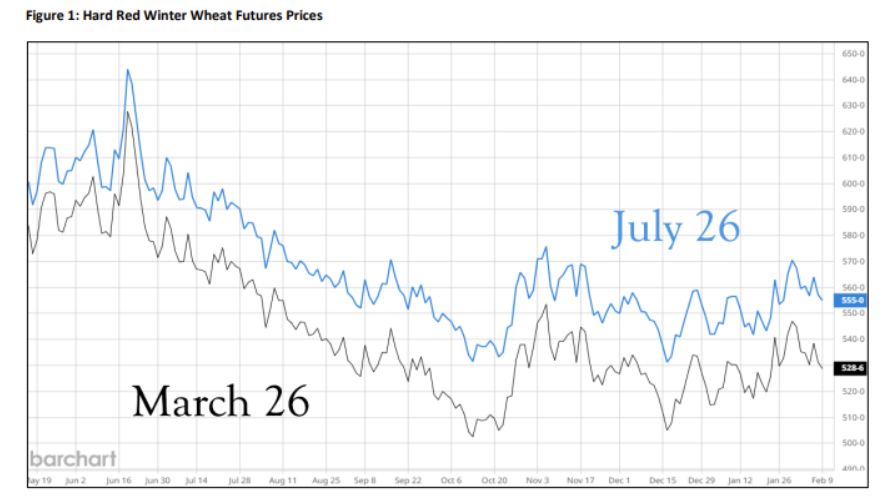
While the report itself was quiet, weather is starting to creep back into the conversation, especially for wheat. Hubbs pointed to expanding drought in winter wheat areas, noting, “Winter wheat areas growing their drought footprint pinched up to 45% now… and here in Oklahoma, we’re in a serious piece of work drought-wise.” With some rain expected and hard red wheat up about 10 cents, he said weather concerns in the Southern Plains may be lending support, though global supplies remain heavy. “There’s just a lot of wheat out there,” he cautioned.
That reality shapes his outlook on marketing decisions. Hubbs suggested recent rallies could offer opportunities, depending on a producer’s situation. “If you need some money, you might want to think about it,” he said, adding that prices near the top of their recent range could face resistance. A breakout is possible, but he added, “I don’t think it’s going to go much higher,” given the size of world wheat production.
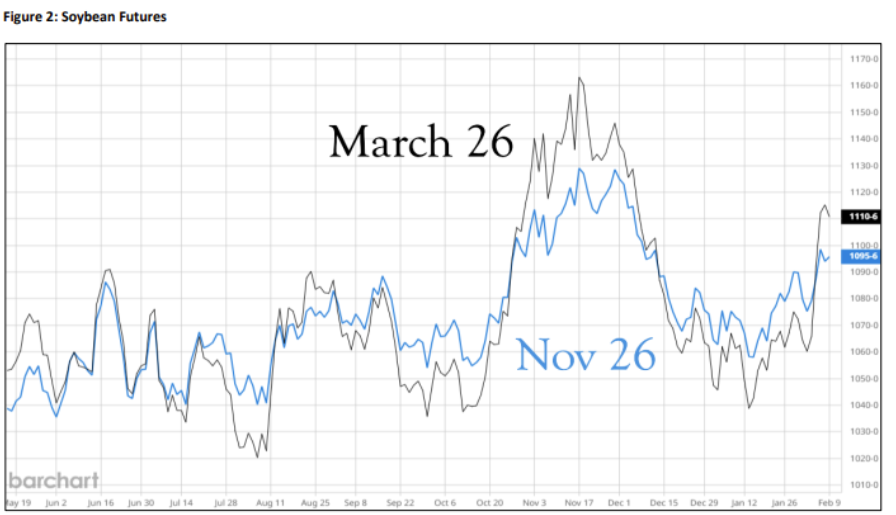
Corn and soybeans tell a different story, driven more by demand than weather at the moment. “We’re moving corn like crazy,” Hubbs said, citing strong ethanol grind and booming exports at current price levels. Soybeans face the weight of a massive Brazilian crop, which he called “a monster,” likely to keep global trade flows balanced. Looking ahead, Hubbs said upcoming March reports, the USDA Ag Outlook Forum, and clarity on biofuel policy will be key, noting that finalizing that policy “has got the potential to be somewhat bullish.”