
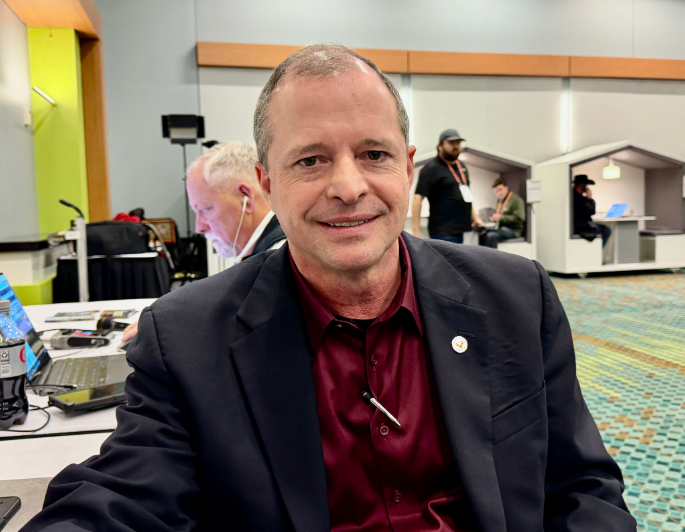
In today’s Beef Buzz, senior farm and ranch broadcaster Ron Hays speaks with Ben Weinheimer, president of the Texas Cattle Feeders Association, about the sharp decline in Mexican feeder cattle entering U.S. feedlots and the broader implications for beef production. Industry sources believe that here in the first quarter of 2026, there are “almost no Mexican feeder cattle left in the feedlot system of the Southern Great Plains,” a region that typically depends heavily on those imports.
Weinheimer notes the scale of what’s missing. “If you look at the number of cattle we were bringing in from Mexico before the shutdown because of the New World screw worm, over a million head of cattle annually,” he said. Without those cattle, he warns that continued production under current conditions could mean “one billion less pounds of beef just in our three-state region of Texas, Oklahoma and New Mexico” during 2026.
Weinheimer emphasized confidence in the inspection and treatment protocols developed after the first pause in cattle imports because of New World Screwworms and the second stoppage that has continued since May of 2025. “Those robust protocols that we put into place a year ago… they’re very effective. They will keep New World screw worms out of this country,” he said. The process includes multiple veterinary inspections in Mexico, followed by final inspections by APHIS veterinarians at the border, where “every single animal is individually identified and put in a squeeze chute.”
He added that cattle are also treated before reaching the border. “Even before those cattle are presented at the border, they’re required… to be administered ivermectin,” Weinheimer said, describing the system as extensive not only in hands-on inspections but also in documentation and permitting that tracks cattle even after they cross into the U.S. Still, he acknowledged that “the politics are such it’s hard to bring the cattle across the border right now.”
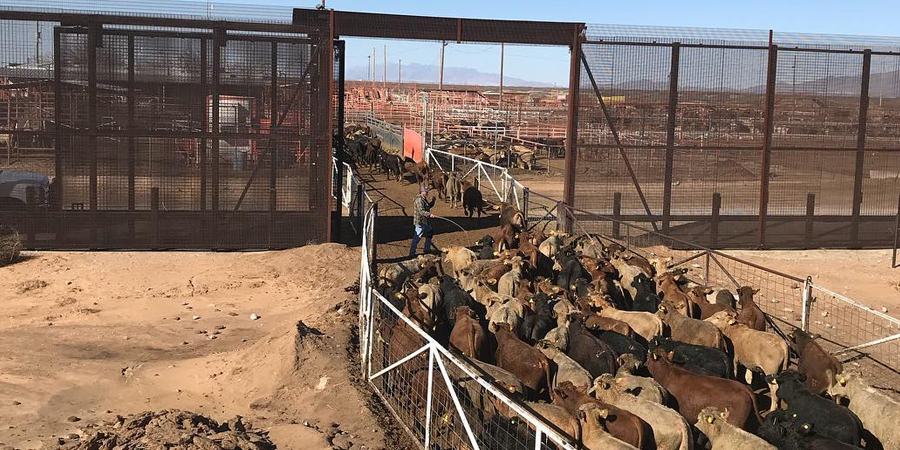
Weinheimer said officials continue to monitor conditions closely, particularly in wildlife populations and in northern Mexico, including the state of Tamaulipas. Drawing on his own visits to Mexico, he noted the significant resources being deployed there, saying officials are “employing over 1,000 people across the country… to combat the New World screw worm.” While he understands the difficulty of the decision facing the administration, Weinheimer believes the science supports reopening under the existing safeguards. “The cattle are the most controlled mammal that has the ability to move across the border,” he said.
Coverage of CattleCon26 is powered by Farm Data Services of Stillwater, Oklahoma.
The Beef Buzz is a regular feature heard on radio stations around the region on the Radio Oklahoma Ag Network and is a regular audio feature found on this website as well. Click on the LISTEN BAR for today’s show and check out our archives for older Beef Buzz shows covering the gamut of the beef cattle industry today.