In today’s Beef Buzz, senior farm and ranch broadcaster Ron Hays speaks with Mark McCulley, CEO of the American Angus Association, about the continued growth of Angus Link, advancements in genetic technology, and what’s ahead for cattle producers.
Angus Link Adds Value and Confidence
McCulley says the Angus Link program continues to gain traction across the industry, even as cattle prices remain strong. “It has. It really has. We’ve seen, and continue to see, growth in that program,” he said. “And even with feeder calf prices as high as they are, we’re still seeing big premiums on these calves that have Angus Link genetic merit score, that have the Angus verified claim.”
He explains that buyers are increasingly relying on data-backed assurance when investing in high-value cattle. “You know, it’s kind of a genetic risk management strategy for cattle feeders,” McCulley said. “They’re putting a lot of money in these cattle, so the more they can know about them, the more confident they can bid.”
That added transparency also helps buyers evaluate potential carcass outcomes. “It gives some assurance and peace of mind to a buyer that that animal may end up qualifying for CAB.”
More Than Hide Color: The Need for Data
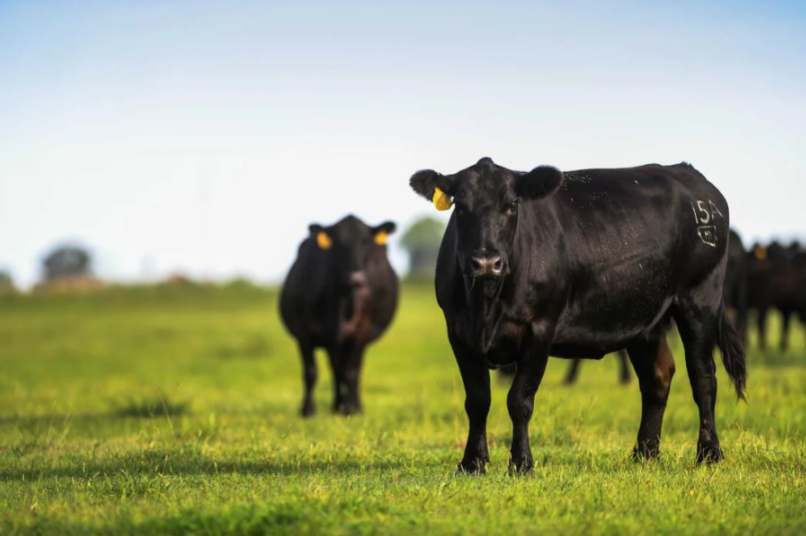
With a large percentage of calves today having an Angus influence, McCulley says visual indicators alone no longer tell the full story. “With 75% of the calves being black hided today, that’s not as good an indicator just today of how those cattle may or may not grade,” he explained. “And so the more information we can provide a buyer, the better off.”
Genomics Expanding into Commercial Herds
McCulley points to continued innovation through Angus Genetics Inc. and its growing suite of tools for producers. “One of the big growth areas has been in commercial… our product of GeneMax,” he said.
The genomic test is helping commercial producers make more informed replacement decisions. “They can take a DNA sample on those commercial heifers—the results include the dollar value indexes that we put on the registered seedstock.”
He says that alignment between genetic data and selection decisions is a game-changer. “It really kind of helps you align your replacement heifer selection with your bull selection.”
Rethinking Yield Grade for the Future
McCulley also addressed ongoing discussions about modernizing the USDA yield grade system. “Our yield grade system was built decades ago. It’s pretty outdated. It probably doesn’t fit the cattle that we have today,” he said.
The goal is to better measure red meat yield and improve efficiency. “Can we do a better job of describing red meat yield?” McCulley said. “That allows us to make cattle that we can put more pounds of red meat on those carcasses and reduce the waste.”
Technology and Data Driving the Next Generation
Looking ahead, McCulley says emerging technologies will play a major role in shaping the cattle industry. “I think there’s getting to be an awful lot of new technologies out there that are going to be important for producers to maybe adopt,” he said.
From sensors to artificial intelligence, the possibilities are expanding quickly. “There’s just so much going on with sensors, with cameras, artificial intelligence, machine learning… I don’t know exactly how it all plays out, but it’s something that we’re sure keeping an eye on.”
At the core, he says, data will remain the foundation for progress. “The advancement of the Angus breed for decades has been driven by data… and I think this whole area of data—we want to keep our eyes open for that.”
The Beef Buzz is a regular feature heard on radio stations around the region on the Radio Oklahoma Ag Network and is a regular audio feature found on this website as well. Click on the LISTEN BAR above for today’s show and check out our archives for older Beef Buzz shows covering the gamut of the beef cattle industry today.