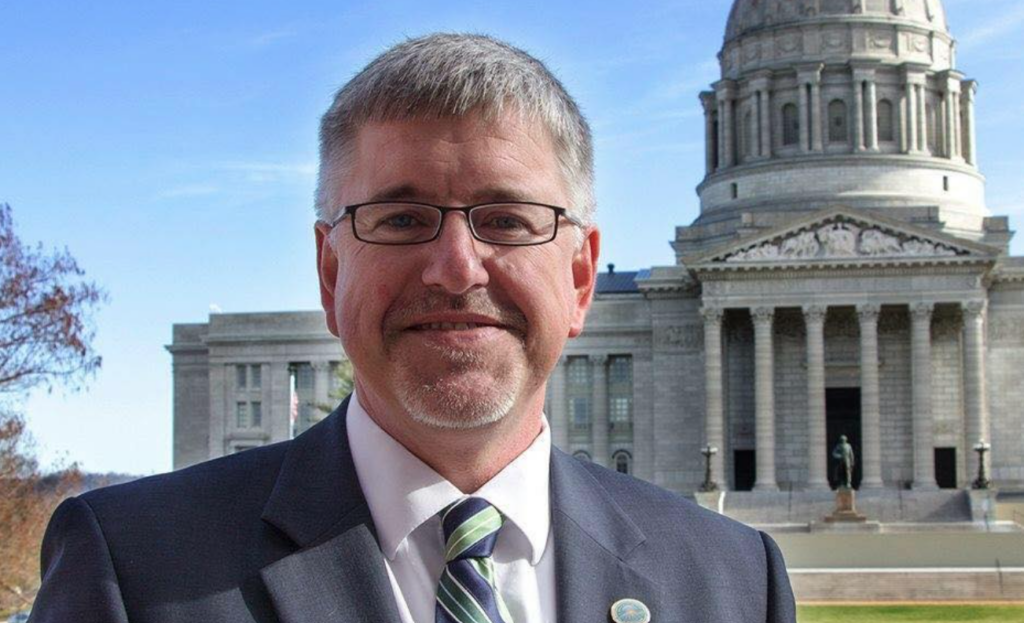
Farm Director KC Sheperd recently sat down with Richard Fordyce, the USDA Under Secretary for Farm Production and Conservation, to discuss the pressing economic challenges and disaster relief efforts currently affecting American farmers and ranchers. Fordyce, who also serves as the former administrator of the Farm Service Agency (FSA) and is a farmer himself, provided a comprehensive look at the current state of the agricultural industry from both a regulatory and personal perspective.
Economic Pressures on the Farm
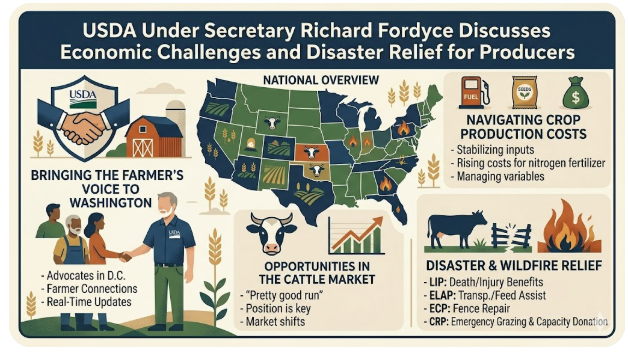
According to Fordyce, the primary concern for producers today is rooted in economics. For those on the crop side, the fluctuating cost of production remains a significant hurdle.
“It’s economics. If you’re on the crop side, cost of production—the inputs—still continue to be a little bit of a challenge,” Fordyce explained.
While he noted that some areas have seen a slight decrease in crop protection chemicals and seed costs, other essential inputs are on the rise. “Here lately, we’ve seen a little bit of an increase in fuel, we’ve seen certainly an increase in nitrogen fertilizers,” he added. Conversely, he noted that the cattle industry is currently experiencing a “pretty good run,” though he cautioned that this prosperity varies across different sectors of the business.
Bridging the Gap in Washington
Fordyce highlighted the importance of having “champions in Congress” who understand the unique plight of the American farmer. He emphasized that his office works closely with various commodity groups, such as the Farm Bureau, to stay informed about real-time issues in “farm country.”
“If I’m here for two weeks, I’m probably two weeks behind on what’s going on actually in farm country,” Fordyce admitted. “I think it’s kind of our duty then to be able to share that with other audiences here in Washington.”
Standing Disaster Programs and Wildfire Relief
A major portion of the discussion focused on the USDA’s response to natural disasters, specifically the recent wildfires in Western Nebraska. Fordyce pointed out that the FSA and the Natural Resources Conservation Service (NRCS) are well-equipped with “standing disaster programs” authorized through various Farm Bills.
The following table outlines several key programs mentioned by Fordyce for producers dealing with losses:
| Program | Purpose |
| Livestock Indemnity Program (LIP) | Provides benefits to producers for livestock deaths or injuries that result in lower value due to adverse weather or disaster. |
| Emergency Assistance for Livestock, Honeybees, and Farm-Raised Fish (ELAP) | Provides financial assistance for losses not covered by other programs, such as the cost of transporting livestock, feed, or water. |
| Emergency Conservation Program (ECP) | Helps producers repair or replace farm infrastructure, such as fences and facilities, damaged by natural disasters. |
Fordyce also mentioned that the USDA has released Conservation Reserve Program (CRP) land for emergency grazing and even created opportunities for contract holders unaffected by fires to donate their grazing capacity to those in need.
The Value of the Farmer’s Perspective
Reflecting on his role, Fordyce expressed that being a farmer himself is critical to his work at the USDA. While he acknowledged he hasn’t grown every crop—joking that he has never grown peanuts, rice, or cotton—he believes the “farmer’s mindset” allows him to remain “lockstep” with producers across the country.
“Farmers are resilient. We always have been just by the nature of the things that we do and how we do them,” Fordyce stated. “We’re just a group of folks that are able to pull up our boots, put our head down, get to work, and keep going.”
He concluded by noting that with spring approaching, it is a time for “new beginnings” and that the USDA remains focused on finding ways to mitigate the tough times producers face.