

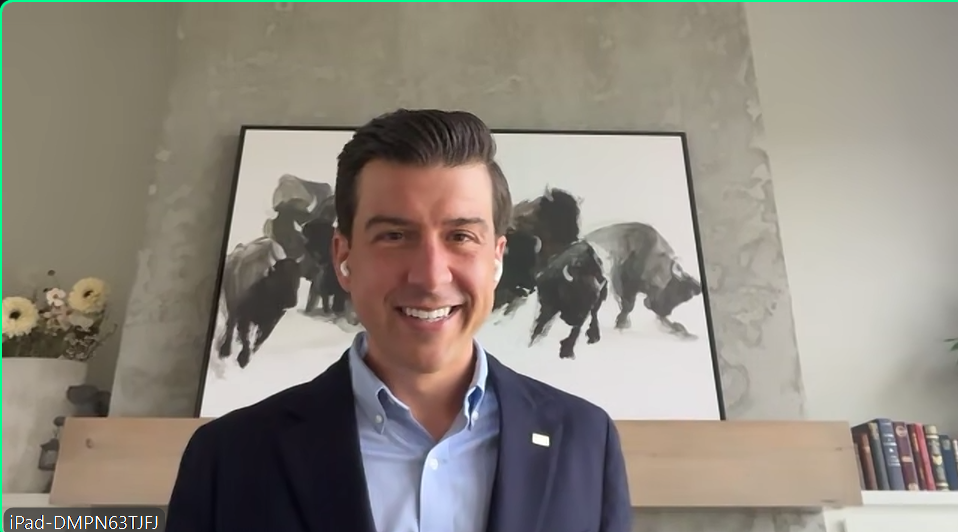
The landscape of American agricultural commerce is shifting back toward global dominance. Farm Director KC Sheperd recently spoke with USDA Trade Undersecretary Luke Lindberg about the administration’s aggressive efforts in securing new trade deals and the remarkable 42% reduction in the agricultural trade deficit achieved in just one year.
Reclaiming the Global Market
For decades, the United States was defined by its agricultural trade surplus, exporting more high-quality food and fiber than it imported. However, Lindberg noted that the administration inherited a historic $50 billion deficit. Correcting this imbalance has required a rapid pivot toward proactive diplomacy and market promotion.
“It’s been a key priority for both the Secretary and for me, and the President, to reduce that trade deficit and get it back to a trade surplus. We’re pleased one year later that we have knocked 42% off of that trade deficit. It’s now at $29 billion.”
Lindberg expressed optimism that this trajectory will continue as more agreements move from the ink-on-paper stage to actual product movement at the ports.
A Departure from Recent Stagnation
A major component of the current strategy involves filling a void left by the previous four years. Lindberg was candid about the lack of progress prior to 2025, noting that the demand for fresh opportunities among American producers had reached a boiling point.
“The President, after four years of zero trade agreements under President Biden, the number one thing that I was asked for when I was coming into this capacity as Undersecretary was new market access. Everybody wanted new market access.”
In contrast to that period of stagnation, Lindberg highlighted that the administration has moved forward on agreements with partners representing more than half of the world’s population and global GDP. This rapid expansion is designed to ensure that American farmers are no longer sidelined while competitors move into emerging markets.
Opening Doors for Oklahoma Beef
For producers in Oklahoma, the standout achievement is the U.S.-UK Economic Prosperity Agreement. For decades, the United Kingdom remained an elusive market for American beef due to complex trade barriers. The new agreement has fundamentally altered that dynamic, providing 13 times more market access through improved quota allowances.
Lindberg shared a recent success story from his visit to Nebraska, where he watched the first shipments of American beef being prepared for British consumers.
“Just was with Omaha Packing last week in Nebraska… and heard that they were the first packing house to get their beef sold into the United Kingdom with packages arriving last week as well. Great story—and again, all of their beef born, raised, processed right here in the United States of America.”
Strategic Focus on Vietnam and the “World as Our Oyster”
The USDA is also looking westward to Vietnam, a market that Lindberg describes as “growing and dynamic.” While the U.S. maintains a massive overall trade deficit with Vietnam, agriculture is the spearhead for balancing that relationship.
Last year saw record-breaking sales to Vietnam in several key categories:
- Cotton
- Tree Nuts
- Wheat
- Corn
There is additional excitement about renewable fuels, as Vietnam implements an E10 ethanol blend and aims for E20. Lindberg noted that these developments present a “huge opportunity” to add more points to the board for American corn growers.
From Market Access to Market Share
As the USDA transitions from opening doors to filling shelves, Lindberg emphasized that the government cannot do it alone. He issued a direct call to action for farm groups and individual producers to engage in the process.
“The biggest opportunity for us to win, for us to get more sales done… is for farmers and farm groups to get in the business of going out there and helping build these relationships. We’ve provided millions in new funding to groups like the U.S. Soybean Export Council and the U.S. Meat Export Federation to get their products marketed.”
Ultimately, Lindberg believes the most effective sales tool is the producer. He noted that international buyers are more interested in hearing from the person who raised the crop or the cattle than from a government official.
“These buyers don’t want to buy products from guys like me. They want to talk to the cattle rancher who raised the beef and knows and understands why it’s the highest quality. My call to farmers and ranchers is: we’re doing the hard work of getting the access opportunities to become real, we just need you to show up there with us.”







