Oklahoma producers are facing a complex landscape as they head into the 2026 growing season, characterized by intense market fluctuations and environmental stress. In a recent interview, KC Sheperd, Farm Director for the Radio Oklahoma Ag Network, sat down with Oklahoma State University crop marketing specialist Todd Hubbs to discuss why many are navigating high volatility and hard red winter wheat projections with cautious skepticism. As geopolitical tensions simmer and drought conditions persist across the Southern Plains, Hubbs provided a deep dive into what is driving prices and what producers should expect in the coming weeks.
The Rollercoaster of Wheat Futures
The Hard Red Winter (HRW) wheat market has been defined by sharp rallies followed by swift retreats, a pattern Hubbs suggests is tied to both global unrest and technical trading floors. The July contract has recently teased the upper limits of its current range.
“Hard Red Winter’s on a rally today, we’re getting back up in those 660 ranges, which on the July contract, which we’ve tended to get up there, KC, and then turn around and go the other direction,” Hubbs noted.
He attributed this movement to a combination of factors that show no signs of stabilizing. “Everything’s still responding to geopolitical tensions and a little bit of weather because the crop here in the Southern Plains isn’t looking great,” he explained. “I think we’re seeing a little bit of support from weather and just the general uncertainty around what’s going on in the Strait of Hormuz”.
Skepticism Over Crop Conditions
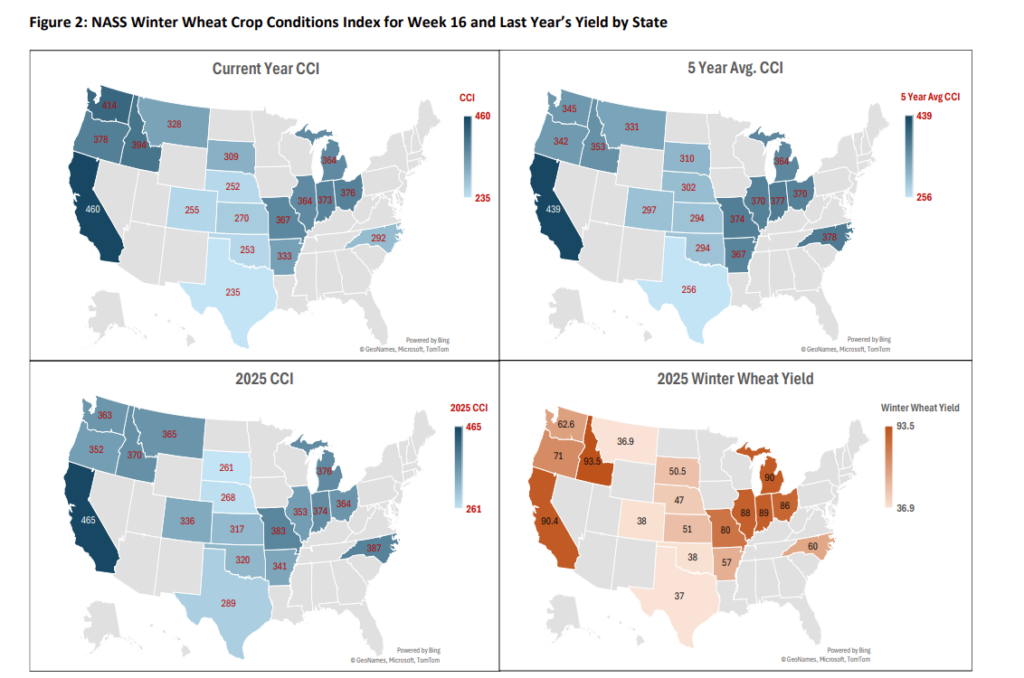
While other commodities like corn have remained relatively flat, wheat has seen significant action due to deteriorating conditions in the field. Hubbs admitted that even as an analyst, it is difficult to remain optimistic when looking at the actual data from the Plains.
“We’ve seen a little more action in wheat, and I think it’s because the crop—particularly our Hard Red Winter wheat crop—is looking… everybody’s getting skeptical about the yield and acreage coming out of that, including myself,” Hubbs stated.
Despite occasional reports of “hope” in the fields, Hubbs warned against making judgments from the window of a pickup truck. He emphasized that the reality on the ground is often much grimmer than what is visible from the road.
“I’m guilty of this—the 60-mile-per-hour crop review. As you drive by, you think, ‘That looks pretty good.’ But when I’ve talked to people, when you get out in the field… it is very spotty,” he said. “Oklahoma’s out in the western part of the state just can’t seem to get any rain in any timely manner, and I think that crop’s in trouble”.
The Surge in Oilseeds and Biofuels
Beyond the wheat fields, a significant shift is occurring in the oilseed sector. Hubbs highlighted a “bullish movement” in feedstocks associated with biofuels, driven by finalized renewable volume obligations.
“The one… of the most important things going on in the oilseed space is we’ve started to see the feedstock like soybean oil, canola oil, tallow—anything associated with biofuels—has really started to take off,” Hubbs explained. “Nearby soybean oil futures prices are over 70 cents a pound. This thing could get really non-linear because we’re behind on production necessary to meet the RVOs this year”.
Diesel Prices and Economic Warning Signs
As producers prepare for spring planting and field days, the cost of farm diesel remains a primary concern. While some projections suggest a peak in prices, Hubbs expressed concern that any downward movement might be for the wrong reasons.
“The Energy Information Agency—they’re expecting April to be a top for us this year and it to gradually fade away for the rest of the year. I think some of that might be wishful thinking; some of that is demand destruction, which… that’s not good,” Hubbs warned.
He elaborated that if prices fall because demand is cratering, it signals broader economic trouble. “If you think prices are coming down because general demand’s going down, that’s not a good sign for the economy. It’s particularly true over in the EU and in East Asia”.
Advice for Producers
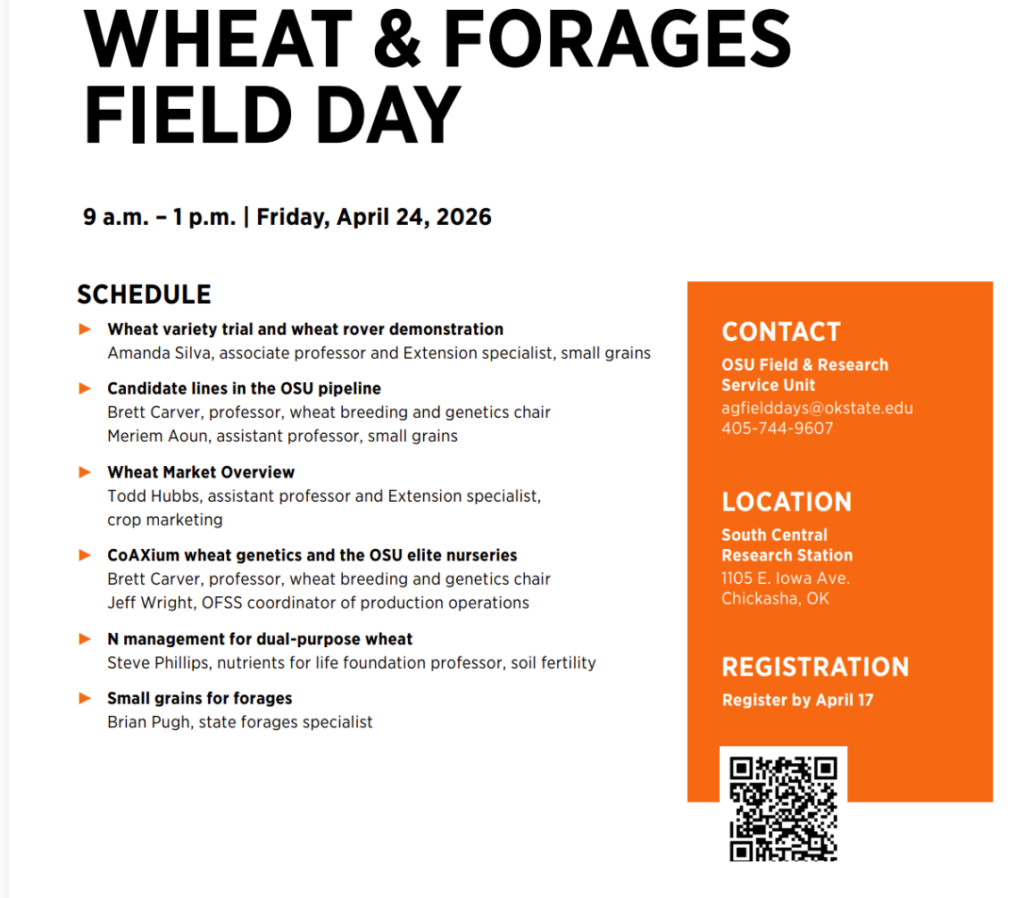
With the Chickasha Wheat and Forage Field Day on the horizon, Hubbs urged producers to stay current with their marketing plans, even amidst production risks. He suggested that the current price levels might be approaching a ceiling.
“If you think you’re going to have some bushels and they’re not covered through some kind of crop insurance or something, I think maybe… we get up in this mid-660 range for July… I can’t see us—it’s going to be hard to bust through that, in my opinion,” Hubbs advised.
He concluded by reminding producers that the market is currently rewarding those who pay attention to the tightening basis. “I think this area of the futures might be a top. Start thinking about it… because we’ve seen in a lot of locations in Oklahoma the basis starting to tighten up a bit for July on the expectation of this crop having problems”.