
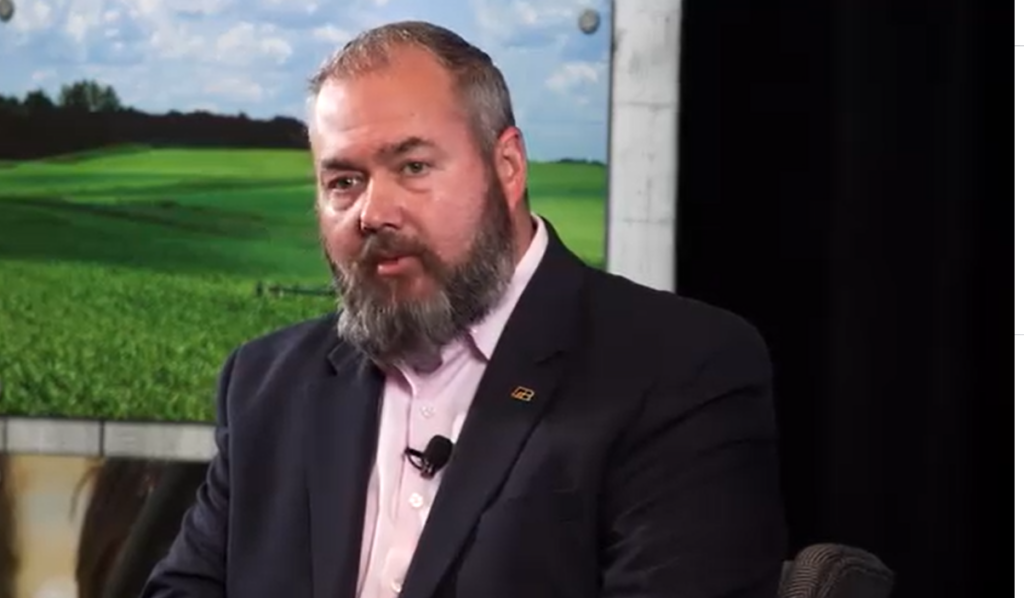
The U.S. farm economy is currently navigating a period of significant strain as producers across the country face a combination of falling commodity prices and record-high input costs. In a recent conversation with Farm Director KC Sheperd, Ryan Yates, Managing Director of Government Affairs for the American Farm Bureau, highlighted the urgent concerns farmers are raising as they prepare for the upcoming growing seasons.
Rising Costs and Diminishing Returns
Producers are entering their third or fourth consecutive crop cycles under conditions where profitability is increasingly difficult to achieve. The primary drivers of this instability include:
- Market Volatility: Declining commodity prices are squeezing profit margins.
- Inflationary Pressures: Farmers are dealing with record-high costs for essential inputs, including seed, chemicals, diesel, and fertilizer.
- Economic Uncertainty: Yates described the current state of the U.S. farm economy as being in a “tough spot,” mirroring broader global agricultural trends.
The Role of Federal Policy and Regulation
A central theme in stabilizing the U.S. farm economy is the need for smart federal policy and regulatory relief. Yates emphasized that while regulation is a necessary part of the industry, many farmers feel burdened by current requirements from agencies such as the Department of the Interior, USDA, and EPA.
The American Farm Bureau is actively advocating for “realistic modernization” of regulations to ensure they do not hinder the daily operations of ranchers and farmers. Furthermore, Yates noted that many of the systemic issues facing agriculture require legislative changes rather than just regulatory shifts.
Looking Toward the 2026 Farm Bill
With the House slated to move forward with a Farm Bill vote, there is a renewed sense of urgency in Washington. The industry is currently operating under the framework of the 2018 Farm Bill, which Yates argued no longer reflects the realities of the modern agricultural world.
“Congress needs to get it right. They need to get a bill done; they owe it to the American people.”
The Farm Bureau is pushing for a strong, bipartisan bill that addresses long-term resiliency. Yates expressed optimism regarding the bill’s progress, citing the successful bipartisan vote in the House Agriculture Committee led by Chairman Thompson.
Bridging the Knowledge Gap
Beyond specific legislation, a major priority for the Farm Bureau remains educating lawmakers and the general public. Yates observed a significant lack of knowledge regarding how food is produced and where it comes from, which often leads to conflicts in federal policy. By fostering a better understanding of the intricacies of farming and ranching, the organization hopes to create a more supportive environment for the U.S. farm economy.