
Optimizing Agricultural Labor and Rural Healthcare: A Discussion with Senator James Lankford
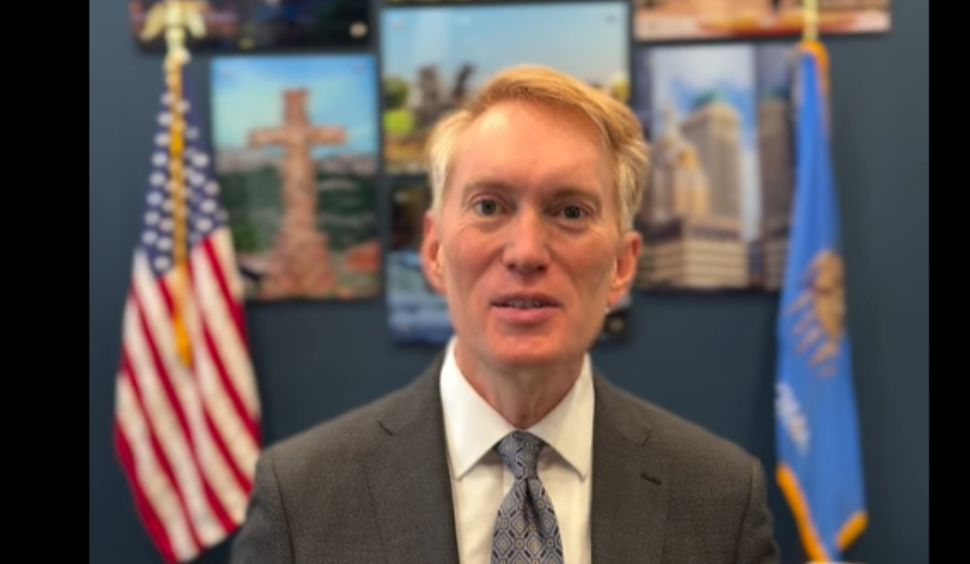
In a recent interview conducted by Farm Director KC Sheperd at Senator James Lankford’s Washington, D.C. office, the discussion centered on the critical intersection of immigration reform, rural healthcare funding, and the upcoming Farm Bill. This conversation highlighted legislative efforts to stabilize Oklahoma’s agricultural and medical infrastructure. The Senator provided insights into the ongoing “border policy fights” and noted that Mark Wayne Mullin now leads the Department of Homeland Security (DHS) with a focused team, including Oklahoman Rodney Scott as the head of CBP.
Addressing the Agricultural Workforce Gap
A primary concern for Oklahoma producers is the stability of the workforce, particularly regarding legal immigration and seasonal labor. Senator Lankford emphasized that once the border is secured, the focus must shift to refining the legal immigration process to support farmers, ranchers, and processors who rely on a consistent labor supply.
“The next set of decisions is what the White House has to be able to make… is what happens for legal immigration? Where is that going? Seasonal labor, long-term visas, work visas—that’s the next step,” Senator Lankford stated.
He acknowledged that labor shortages extend beyond the field, impacting healthcare facilities and senior centers in rural areas. He advocated for a more efficient process to allow year-round workers to support the processing industry when local labor is unavailable.
Strengthening Rural Healthcare
The Senator highlighted a significant financial infusion for Oklahoma’s medical sector, noting that the state is set to receive approximately $223 million in rural healthcare assistance next year. This funding, part of a broader $10 billion annual commitment over five years, is designed to modernize infrastructure that has faced long-term neglect.
“This is on innovation, this is catching up on facilities, this is catching up on diagnostic equipment… a lot of the back-office stuff that’s just been neglected quite frankly as people just don’t have the finances to be able to keep up with it,” Lankford explained.
Navigating the Farm Bill and SNAP Reform
As discussions surrounding the Farm Bill continue, Senator Lankford stressed the necessity of a bipartisan approach, particularly concerning the Supplemental Nutrition Assistance Program (SNAP). He addressed the need for greater efficiency and lower error rates in state-managed SNAP programs, noting that Oklahoma is working to align with national standards.
“The Farm Bill is always a bipartisan bill… there’s never been a time it’s been a partisan bill,” Lankford said. “We’ve got to be more efficient to make sure that the people that actually receive SNAP are the people that qualify for SNAP.”
He also touched on state-level discussions about excluding high-profit, low-nutrition items like candy and soft drinks from SNAP benefits, prioritizing healthier options for recipients.
Emerging Agricultural Threats and Safety
Beyond legislation, the Senator is monitoring emerging biological threats to the livestock industry, including the New World screwworm and new tick-borne diseases. He noted that research and eradication efforts are being prioritized to protect Oklahoma’s cattle industry. Additionally, he expressed the urgency of resolving DHS funding, which impacts FEMA and security preparations for the upcoming Olympics in Oklahoma.
Reflecting on the diverse responsibilities of his office, Senator Lankford noted the complexity of managing international policy, energy, and trade all within a single day.
“In a typical day, there are so many issues that we have to deal with… tomorrow’s eight or ten things may be different than the eight or ten that are today,” he remarked.