

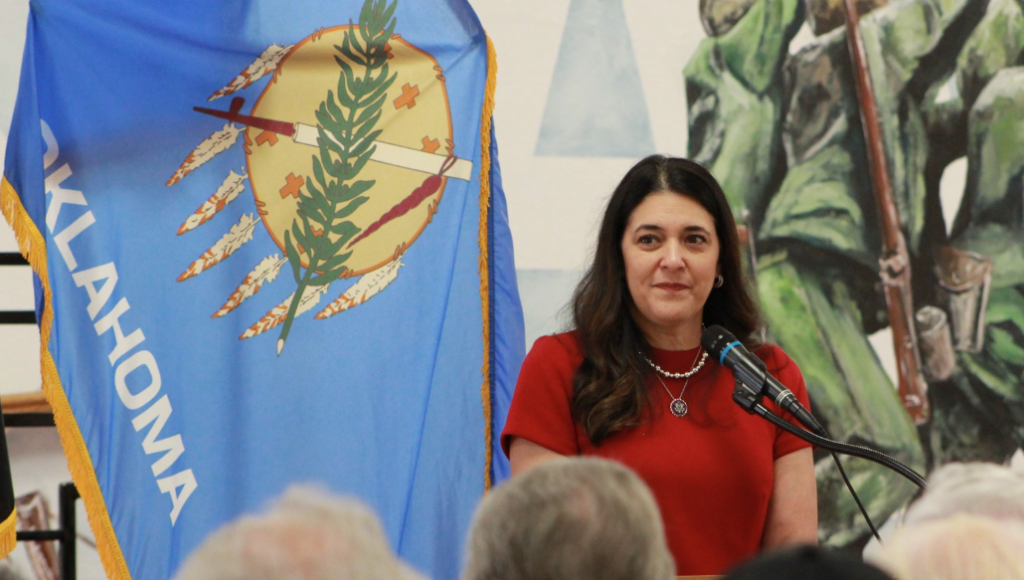
In a comprehensive legislative update, Congresswoman Stephanie Bice sat down with Farm Director KC Sheperd to pull back the curtain on the intense negotiations surrounding the 2026 Farm Bill. As the House of Representatives dives into a high-stakes appropriations season, Bice noted that while a significant portion of core agricultural provisions were secured last year, the current version of the 2026 Farm Bill is the essential vehicle for addressing the “loose ends” that directly impact rural economies.
Fueling the Future: The E15 Push
A centerpiece of Bice’s current agenda is expanding E15 fuel options, which she views as a critical choice for Oklahoma producers. “I have a lot of my colleagues who represent corn-growing communities in districts, and they really want to see E15 as an option for states, not a mandate, but an option,” Bice explained. She noted that this effort bridges the gap between the energy and agricultural sectors, stating, “Whatever I think gets the most support is the direction that we’re going to go. We have the option to do it either way right now”.
Economic Headwinds and the Bipartisan Bridge
The Congresswoman emphasized that the 2026 Farm Bill must remain a bipartisan effort because food security is a national priority that transcends party lines. “Food and fuel are incredibly important to their communities as well, and that’s why they want to see a Farm Bill passed,” she remarked. She highlighted the rising economic pressures on farmers, noting, “We know fertilizer prices are up, we know that interest rates are up on farm equipment, and it’s really putting a huge strain on all of our farmers across the country”.
Reform and Accountability in Nutrition
Addressing the complex relationship between farm support and nutrition assistance, Bice detailed the House’s approach to SNAP (Supplemental Nutrition Assistance Program). “I want people to be able to access these nutrition programs if they need it,” she said, but warned that “many of these states… were not adhering to what I think is reasonable SNAP thresholds”. Pointing to severe oversight issues, she shared a startling example: “Alaska had a 60—KC, six-zero—60% error rate on SNAP, meaning 60% of the people on SNAP didn’t qualify”.
Oklahoma’s Research Edge
As a proud graduate of Oklahoma State University, Bice celebrated the recent $40 million investment directed toward OSU’s research and extension programs. “They’ve done some phenomenal things that I think many of your listeners wouldn’t even know about, including… they have created a sort of turf on the White House lawn that was made right there in Stillwater, America,” she shared. Bice views these investments as a shield against global instability, noting, “If we can’t eat, we can’t feed our communities, we have a big problem”.
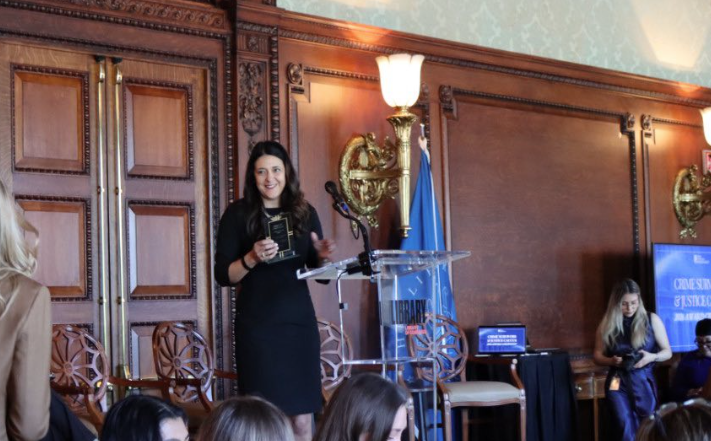
Restoring the Human Element to Politics
Reflecting on the tone of discourse in Washington, Bice expressed a deep concern for the breakdown of interpersonal communication. “I think that you see people communicating via social media too much, frankly, and there’s sort of this distrust that becomes, I think, percolated because of it,” she lamented. She advocated for a return to the style of leaders like President Reagan and Tip O’Neill, noting that “having really tough conversations in person—that’s how you build trust and you build relationships with people”.
“I tell my staff that all the time: this job is not hard, just be nice and respectful to people,” Bice added, emphasizing that personal respect is the key to passing a successful 2026 Farm Bill. She concluded that while policy disagreements are natural, “I may not agree with my colleagues… but I want to understand where they’re coming from and why it’s important to them”.







