

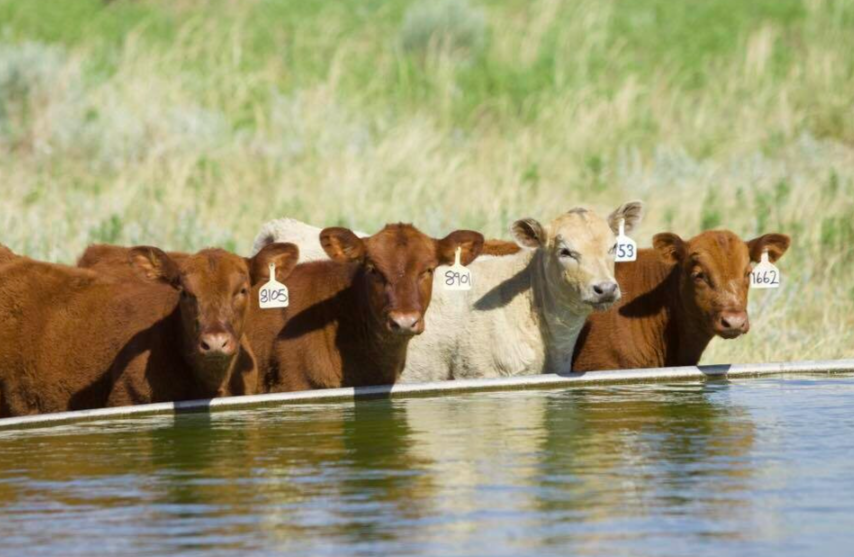
The Institute for Feed Education and Research (IFEEDER) today announced the release of two new species-specific reports, focusing on beef and dairy cattle, the final additions to its expansive analysis examining the nutrition and production impacts of vitamin and amino acid supply chain disruptions to animal feed for major U.S. livestock sectors.
These reports are part of IFEEDER’s broader analysis, “The Strategic Assessment on the Impact of Vitamin and Amino Acid Supply Chain Disruptions on U.S. Food Security,” originally released in November 2025. Each report highlights how disruptions in access to essential feed ingredients could affect animal health and welfare, production viability and the resilience of the U.S. food supply. With today’s additions, IFEEDER has now published six species reports, building on the four species reports (i.e., broiler chickens, laying hens, turkeys and swine) published in January.
“From poultry to cattle, we’re providing critical insights into how nutrient disruptions could directly impact essential sectors in U.S. agriculture,” said Lara Moody, IFEEDER’s executive director. “Understanding these risks helps producers and stakeholders better prepare for challenges that could affect both productivity and food availability.”
The beef and dairy cattle reports provide tailored insights into how vitamin and amino acid supplementation can impact performance, production and overall herd health, factors that are critical to maintaining a stable and affordable supply of beef and dairy products for consumers.
While the original strategic assessment outlines the importance of key vitamins and amino acids and the consequences of supply disruptions, the species-specific reports allow companies, researchers, feed manufacturers and policymakers to focus on the ingredients most relevant to their operations and decision-making.
For example, dairy stakeholders can evaluate how shortages in specific vitamins may affect milk yield and reproduction, while beef producers can assess potential impacts on weight gain and herd health. Across all species, the reports illustrate how reduced access to essential nutrients can ripple through the supply chain, ultimately affecting food availability and cost.
Each report also includes insights from industry professionals, with input from technical experts and practicing nutritionists reflecting real-world challenges and considerations. These perspectives reinforce the critical role that vitamins and amino acids play in supporting animal performance and ensuring a secure, sustainable food supply.
The beef and dairy cattle reports, along with the previously released species reports, are available at IFEEDER.org.







