
Crop protection tools play a critical role in helping farmers maintain productivity while navigating increasing scrutiny and evolving regulations. In a conversation with Oklahoma Farm Report’s Maci Carter, Alex Dunn of CropLife America outlined how the industry supports growers, balances innovation with safety, and why timely access to these technologies is essential for U.S. agriculture.
What CropLife America Represents
Alex Dunn explains that CropLife America serves as a key voice for the crop protection industry, representing companies that develop and deliver essential tools for farmers. “CropLife America is the national trade association of pesticide companies… our companies together make herbicides, insecticides, and fungicides.”
She added that the organization also includes distributors and partner industries, noting they are “innovating and discovering them, and then… formulating them into new products for American farmers.”
Balancing Innovation and Safety
Dunn emphasized that strict federal oversight ensures these products are both effective and safe. “We rely very much on FIFRA… and FIFRA is a very robust statute,” she said, explaining that regulations require products to be tested for performance, human health, and environmental impact. She noted the process is extensive, adding that “EPA has to look at that pesticide product… make sure that it actually works… and that farm workers… and the environment are protected.”
Why Crop Protection Tools Matter
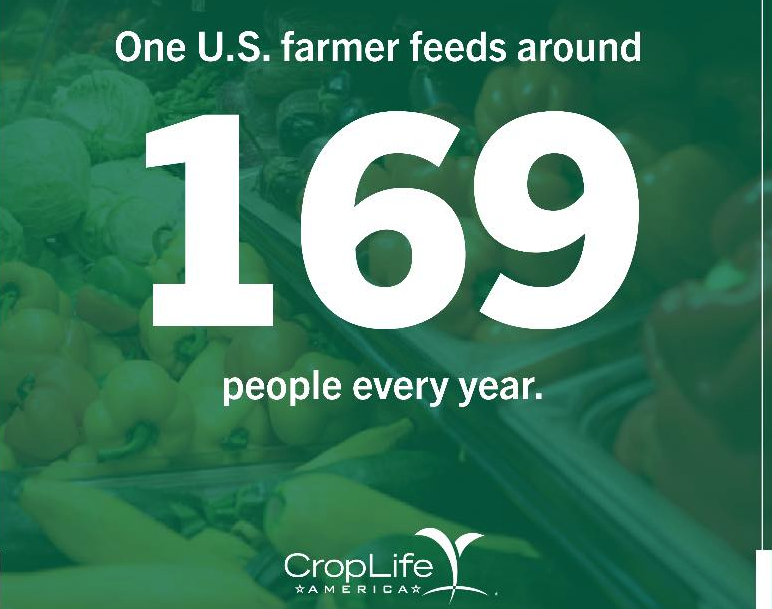
According to Dunn, these technologies are critical to maintaining the nation’s food supply with fewer farmers. “We have over 350 million people… and we are lucky to have abundant, affordable, accessible food,” she said. She explained that tools like herbicides and fungicides help farmers “manage loss… by not losing it to weeds… pests… or disease pressure,” allowing them to sustain high production levels.
Regulation, Delays, and Global Competition
While Dunn supports strong regulation, she pointed out that slow approval timelines can create challenges. “We’re an industry that wants to be regulated because it gives us great credibility,” she said. However, she stressed that “the regulations are slower than we need them to be… thorough doesn’t have to mean slow.” Delays, she warned, can put U.S. farmers at a disadvantage globally, as competitors may gain faster access to newer tools.
Looking Ahead and Farmer Advocacy
Dunn believes the future of crop protection will include more biological products, precision technology, and integrated pest management. “We are going to see more use of biological products… and more precision application,” she said. She also encouraged farmers to share their story, emphasizing, “the time is really to be heard… take five minutes and send a letter,” adding that farmer voices are highly trusted and influential in shaping policy.