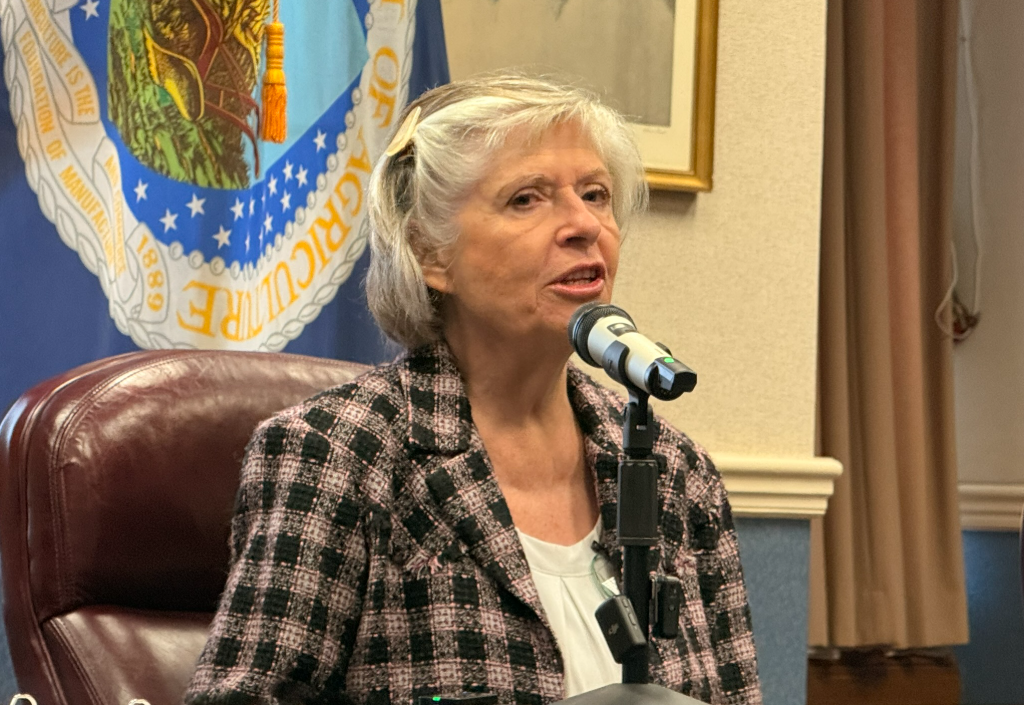
During the recent National Association of Farm Broadcasters Washington Watch event, Karen Budd-Falen, Deputy Solicitor for Parks and Wildlife at the Department of the Interior, shared her department’s commitment to restoring rancher resilience through significant regulatory and land-management reforms. A fifth-generation rancher herself, Budd-Falen emphasized that her return to the Department of the Interior was driven by a deep respect for the agricultural community and a desire to ensure that farmers and ranchers have a prominent voice in federal decision-making. She articulated a vision where the expertise of local land managers is prioritized to improve both agricultural productivity and environmental health.
Regulatory Reforms and Grazing Land Management
A primary focus of Budd-Falen’s address was the modernization of grazing regulations. She announced that the Department of the Interior would soon release a draft grazing rule, with the Forest Service following close behind. These reforms aim to streamline the permitting process and provide more flexibility for ranchers who utilize federal lands.
- Debunking the “Cheap Grazing” Myth: Budd-Falen addressed the misconception that federal grazing fees are unfairly low, explaining that the formula accounts for the significant costs ranchers bear for infrastructure, such as fence maintenance and water improvements, which are typically handled by landlords on private property.
- Ecological Benefits of Grazing: She highlighted the role of well-managed grazing in enhancing soil health, controlling invasive species like cheatgrass, and mitigating wildfire risks.
- NEPA Modernization: Significant updates to the National Environmental Policy Act (NEPA) have been implemented to increase categorical exclusions for routine ranch improvements, such as pipeline installations and permit renewals.
Managing Wildlife and Endangered Species
Budd-Falen detailed the department’s approach to complex wildlife management issues, stressing the importance of state-led efforts and balanced ecosystems.
- Wolf Management: She clarified the varying management authorities for wolf populations across different states and indicated that the department is reviewing regulations to better protect livestock and human safety.
- Grizzly Bear Status: Efforts are underway to down-list the grizzly bear to “threatened” in specific regions, which would allow for more flexible management strategies under a 4(d) rule.
- Wild Horse Management: A new Rangeland Health Initiative is being developed to address the overpopulation of wild horses, which Budd-Falen noted can lead to severe range degradation and poor animal welfare during drought conditions.
Addressing Climate and Environmental Challenges
The Department of the Interior is actively preparing for a potentially severe wildfire season, driven by widespread drought conditions across the Western United States.
- Wildfire Suppression: Budd-Falen underscored a “zero-tolerance” policy for letting fires burn on federal lands this year, prioritizing immediate suppression to protect both natural resources and local communities.
- Collaboration with Local Producers: The department is strengthening its partnerships with local ranchers and fire departments, recognizing that those on the ground are often the first to identify and respond to new ignitions.
- Opening Refuges for Grazing: In response to the drought, the U.S. Fish and Wildlife Service is conducting compatibility determinations to identify additional grazing opportunities on wildlife refuges to support livestock producers.
Farm Director KC Sheperd was among the broadcasters who engaged with Budd-Falen during the session, exploring how these federal shifts will directly impact producers in Oklahoma and beyond.