

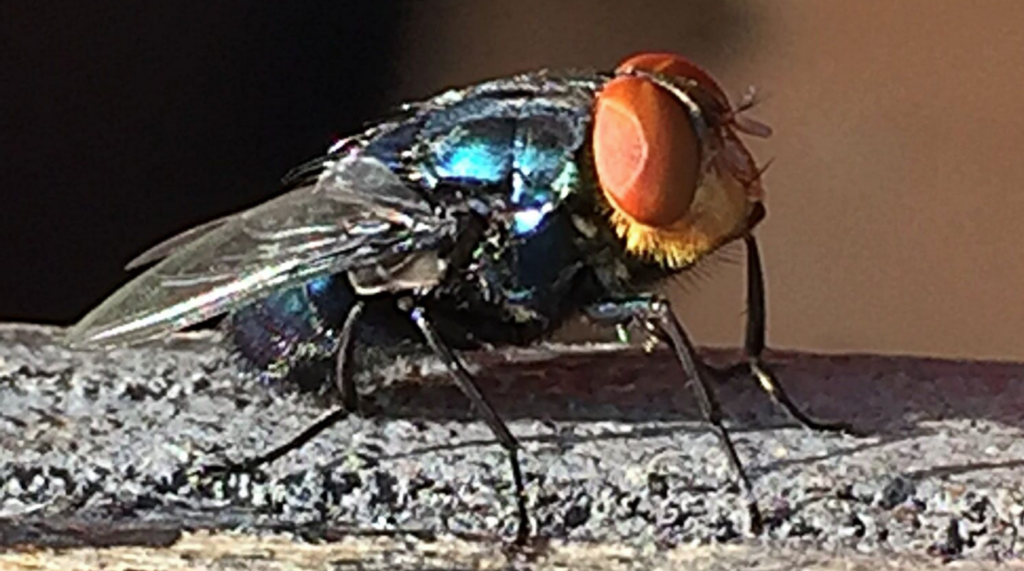
In today’s Beef Buzz, senior farm and ranch broadcaster Ron Hays Features comments from U.S. Secretary of Agriculture Brooke Rollins, USDA New World Screwworm Directorate head Rear Admiral Michael Schmoyer, and Texas State Veterinarian Dr. Bud Dinges following confirmation of the first New World screwworm case in Texas in 60 years.
A Historic and Serious Development
June 3, 2026, marked a day many in animal agriculture had hoped would never come. Federal and state officials confirmed the first case of New World screwworm in Texas since 1966, triggering an immediate response from USDA and the Texas Animal Health Commission.
The case involves a single three-week-old beef calf in South Texas. While officials emphasized the significance of the detection, they also stressed that response plans developed over the past year are already being put into action.
Secretary Brooke Rollins described the situation as serious but manageable. “This is not a threat to our food supply,” Rollins said.
She also sought to reassure livestock producers and consumers. “Second of all, while this is very serious, and we’re taking it extremely serious, there is no threat of mass infestation.”
Rollins said extensive planning has been underway for months to prepare for exactly this scenario. “We believe, and we are so confident in the teams and the plan that we have been building over the last year in preparation for this moment, that as we’re building out the infrastructure in the long term to make sure that this never happens again, that we have for the short term put everything in place to contain this pest and push it back when possible.”
Details of the First Case
Rear Admiral Michael Schmoyer provided specifics about the confirmed infestation. “Here on the ground, as was emphasized, there is one infested animal. There is a three-week-old beef calf.”
According to Schmoyer, the case was initially detected by a private veterinarian. “This was a private veterinarian that collected samples and shared them with the Texas Animal Health Commission, who then shared them in turn with USDA.”
The discovery immediately activated response protocols that had been developed as New World screwworm moved northward through Mexico over the past year. “USDA inspections continue to be ongoing, and we’re going to uphold our commitment to be transparent with you.”
USDA Strike Teams Already on the Ground
Schmoyer said USDA personnel were already positioned to respond rapidly. “USDA has a phenomenal five-person strike team in Texas right now.”
“That strike team is comprised of field veterinary medical officers, as well as animal health technicians, and these vets and animal health experts are our boots on the ground, working side by side with our Texas animal health colleagues here.”
Additional personnel are standing by if needed. “We’re positioned to send additional trained personnel as needed. We’re looking forward to being able to expand the strike teams in concert and in combination with our Texas Animal Health colleagues.”
Months of Preparation Already Underway
Federal officials emphasized that preparations for a possible U.S. detection began long before this week’s announcement. “We had actually shared with many of the stakeholders that we were starting to lean forward aggressively, just in case something like this happened,” Schmoyer said.
He noted that sterile fly releases began months ago near the U.S.-Mexico border. “We started to be able to deploy flies about 50 miles over the U.S. border, and so we’re continuing to be very forward-leaning in our posture.”
The scale of the effort is already substantial. “Since February of this year, we’ve already dispersed over 129 million flies using aerial and ground release chambers, as well as vehicle dispersal methods.”
Surveillance infrastructure has also been in place across the southern border states. “In Texas, we’ve had trap lines that have been stretching across the southern states of Texas, New Mexico, Arizona, and California since July 2025.” In addition to sterile insect releases, USDA has positioned response cargo trailers, trapping equipment, and ground release systems to support eradication efforts.
Texas Establishes Quarantine Zone
Following confirmation of the case, Texas officials moved quickly to establish an infestation zone and quarantine area. Dr. Bud Dinges, State Veterinarian and Executive Director of the Texas Animal Health Commission, announced strict movement controls. “I have issued an executive order that places a quarantine on all warm-blooded animals.”
Dinges urged producers and animal owners to cooperate fully. “It’s very important that all animal owners understand the importance of not moving their animals out of this zone at this time.”
“Please help us prevent any further movement of this pest by staying put and contacting the Texas Animal Health Commission if you need to be permitted out.”
The restrictions apply broadly. “No movement of warm-blooded species will be allowed out of this zone without an inspection by an animal health official.”
Surveillance and Producer Outreach Intensifies
Texas Animal Health Commission personnel have expanded their presence throughout the affected area. “Currently, we have increased the presence of Texas Animal Health Commission personnel in the area and in the infested zone, conducting animal surveillance and epidemiological investigations, meeting with producers to provide resources in the infested zone, and raising awareness of key actions like inspection points.”
Dinges emphasized that producer vigilance will be critical to preventing additional spread. “Some of the key things that people need to know at this stage are number one, report suspicions immediately.” “If you suspect your animal may be infested with New World screwworms, notify the Texas Animal Health Commission or your local veterinarian immediately.”
He stressed that speed matters. “Quick notification leads to quick detection and quick response to stop the pest from spreading.”
While movement restrictions are in place, Dinges said commerce will not stop completely. “Animals still need to be able to move. We’ll just make sure that they are moving safely and not moving the screwworm with them.”
Producers Are the Front Line
Rollins repeatedly emphasized that livestock producers, ranchers, hunters, and wildlife managers will be key partners in the response effort. “Our greatest partners in this are the ranchers and the livestock producers, especially in South Texas.”
She also pointed to the role of wildlife surveillance. “The wildlife guys down there are just being ever vigilant, being very watchful.”
For producers concerned about what they can do right now, Rollins offered a simple answer. “I think the best thing you can put on your animals right now is your eyes.” She encouraged constant observation of livestock and wildlife for suspicious wounds or infestations.
Understanding How Screwworm Spreads
One of the most important messages from officials is that New World screwworm does not spread like a traditional livestock disease.
Instead, infestations occur when adult flies lay eggs in wounds or openings on warm-blooded animals. The larvae then feed on living tissue, creating potentially severe damage if left untreated.
Rollins emphasized a key fact producers should remember. “This does not spread without the movement of animals.” That reality is driving the quarantine, inspection requirements, and surveillance efforts now underway in South Texas.
Looking Ahead
The confirmation of New World screwworm in Texas represents the most significant animal health challenge facing U.S. livestock producers in decades. However, officials emphasized that this is currently a single confirmed infestation, not a widespread outbreak.
Federal and state agencies have already deployed strike teams, surveillance networks, sterile fly releases, quarantine protocols, and producer outreach efforts designed to contain the pest before it can establish itself.
For now, officials are asking producers to remain alert, closely inspect livestock, report suspicious cases immediately, and comply with movement restrictions as eradication efforts move forward.
The Beef Buzz is a regular feature heard on radio stations around the region on the Radio Oklahoma Ag Network and is a regular audio feature found on this website as well. Click on the LISTEN BAR above for today’s show and check out our archives for older Beef Buzz shows covering the gamut of the beef cattle industry today.







