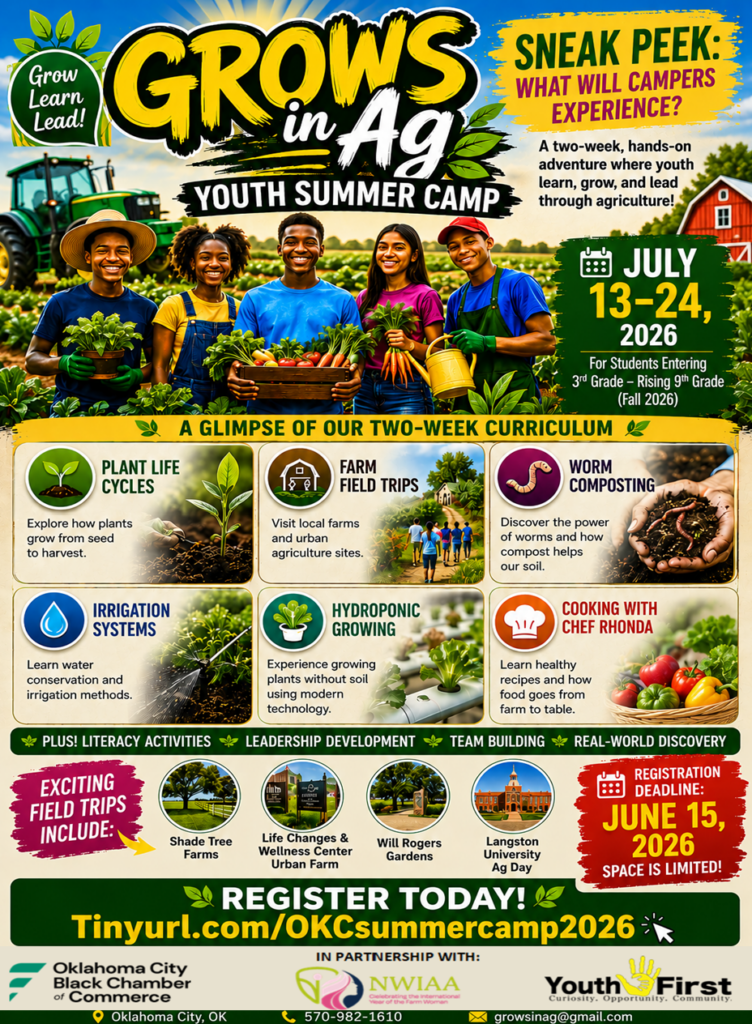

Youth agriculture education is at the heart of a new summer program designed to help young people better understand where their food, clothing, and everyday essentials come from. Rhonda Spencer, founder and director of Grows in Ag, spoke with associate farm reporter Carli Davenport. Spencer says the organization’s upcoming summer camp aims to connect children with agriculture through hands-on learning, career exploration, and life skills.
Spencer said the idea for the camp grew out of her work with youth through the National Women in Agriculture Association, where she noticed many young people lacked workplace readiness and awareness of agricultural careers. “I was finding myself hiring young people, and had to fire young people, which just was not enjoyable to me,” Spencer said. “The problem was that they didn’t have an understanding of proper work ethics.” That challenge led Spencer to create programming centered on work ethic, job readiness, and agriculture education.
A Successful Ag Experience Sparked Something Bigger
What began as outreach to high school students eventually expanded after a successful agriculture trip to Langston University. “It was such a great win,” Spencer said. “Seeing that excitement of the children, seeing excitement of the parents as well… I decided to extend my idea into a summer camp venture.”
The success of that experience helped transform a single-day educational opportunity into a full summer program focused on hands-on agricultural learning.
Hands-On Learning Brings Agriculture to Life
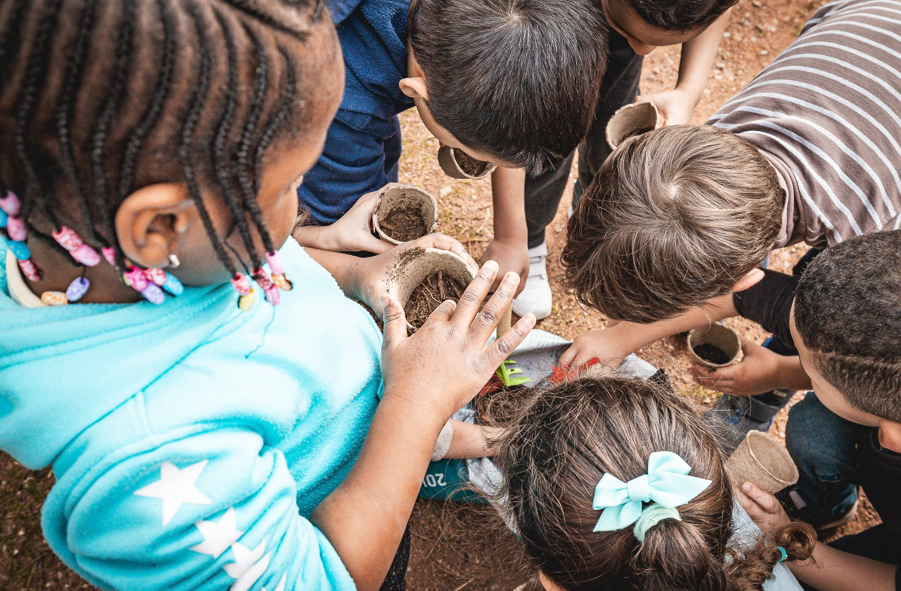
The Grows in Ag Summer Youth Camp, scheduled for July 13–24, will immerse students in agriculture through lessons in plant science, gardening, soil health, composting, hydroponics, irrigation, and farm entrepreneurship. “When they walk away, they will be very well informed of different aspects of agriculture,” Spencer said.
Camp participants will study everything from seed dissection to soil comparisons, including Oklahoma’s common clay-heavy soils. “We’ll look at different types of soil and see what’s good soil, what’s bad soil,” Spencer said. “We’ll do experiments on that, from silt to sand to clay, which we have a lot of in Oklahoma.”
Students will also visit farms and participate in real-world agricultural experiences to reinforce what they learn in the classroom.
Agriculture Impacts Everyday Life
Spencer says the camp is about more than farming—it’s about helping children understand how deeply agriculture connects to daily life. “Everything comes from agriculture,” Spencer said. “Everything is tied in life to agriculture.”
She explained that agriculture impacts food, nutrition, clothing, environmental stewardship, and countless other areas people may not immediately think about. “Our food comes from somewhere in the soil,” Spencer said. “The climate affects it. The water is also part of the component.”
Agriculture Offers Diverse Career Opportunities
Spencer emphasized that agriculture offers career paths far beyond traditional farming and ranching. “Agriculture is so diverse,” Spencer said. “They could be farmers and ranchers, they could go into sciences, engineering, and so forth.”
For Spencer, agricultural literacy helps children understand future opportunities while giving them a broader perspective of the world. “Being educated in agriculture actually empowers the child,” Spencer said. “It gives them global perspective that everything is tied in.”
Making Camp Accessible for All Families
The camp is open to students entering third through eighth grade, and Spencer said sponsorship opportunities are available to help ensure every child has access. “This is an opportunity for the community to help our children be successful and not leave any child behind,” Spencer said.
She hopes community support will allow more children to experience agriculture firsthand and gain valuable life skills along the way.