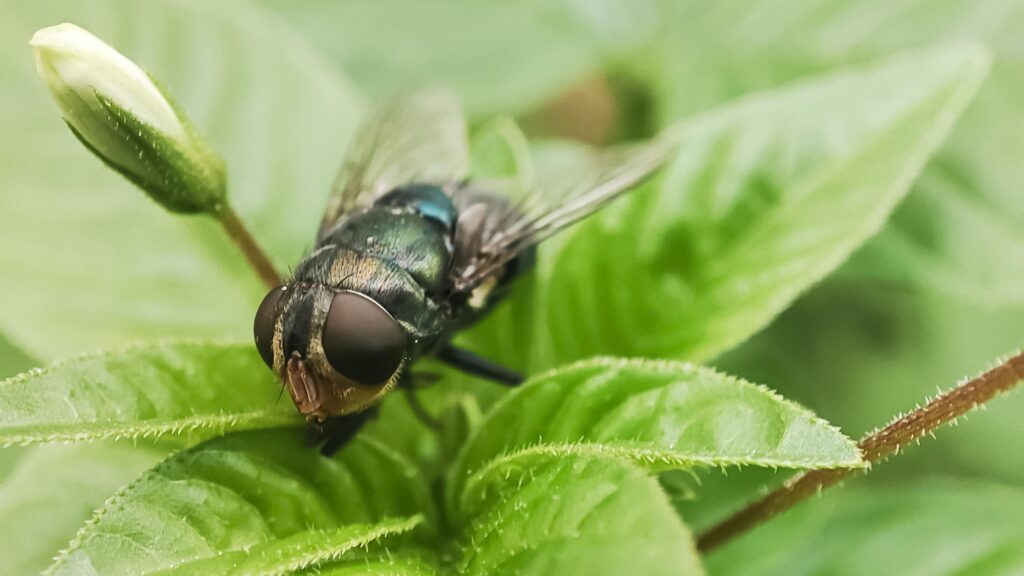
Jennifer Carrico, the DTN Livestock Editor, writes: As the New World screwworm (NWS) cases continue to spread, mostly across several Texas counties, more animals have now been affected, with the first case in sheep reported.
As of the evening of June 13, 12 cases have been reported according to the NWS Confirmed Detections dashboard on the USDA Animal and Plant Health Inspection Service website. These cases span over six Texas counties and one New Mexico county, and include cattle, goats, sheep, and a dog. Up-to-date cases can be seen by clicking HERE;
According to the Texas Animal Health Commission (TAHC), NWS are larvae or maggots of the NWS fly, which cause the painful condition NWS myiasis. Eggs are laid in open wounds or orifices of live tissue and can only survive on live tissue of warm-blooded animals. The eggs hatch into dangerous larvae, which burrow or “screw” into the flesh with sharp mouth hooks.
“TAHC has been actively preparing for a resurgence of NWS for over two years,” said TAHC Executive Director Bud Dinges in a news release. “We are putting these preparations into action, and we encourage all animal owners and caretakers to continue to remain vigilant for the presence of larvae in animal wounds and immediately report any suspicions.”
USDA also urges everyone in the area to check animals for draining or enlarging wounds, maggots or egg masses, signs of discomfort, and lesions in body openings, including the nose, ears, genitalia, and umbilical area.
If anyone suspects a screwworm infestation, they should immediately contact their veterinarian, state animal health official, or the USDA.
The distribution of sterile NWS flies remains the leading approach to combat the spread. Since the NWS flies only mate once, the sterile flies mate with wild flies, preventing viable offspring. TAHC said when a case is identified and confirmed, sterile fly distribution is quickly evaluated, and dispersal may be shifted in the affected areas. Just this month, more than 19.5 million flies have been released through aerial, ground, and vehicular dispersal.
The Texas A&M AgriLife Learning Center has free NWS inspector training available for all Texans. The course covers NWS biology, inspection protocols, reporting, and more. Those who qualify can apply to become a certified NWS inspector through TAHC. To learn more about the course, click here.
While there have been no brand-new county detections reported by the USDA or the Texas Animal Health Commission (TAHC) over the last 12 hours, the situation on the ground remains incredibly fluid. The total confirmed U.S. case count stands at 12—consisting of 11 detections in Texas and one isolated canine case in New Mexico.
The biggest developments over the last 24 hours center around aggressive regional containment, trade impacts, and strict new transport rules for producers in the impacted zones.
Coordinated Government Response
The U.S. Department of Agriculture (USDA), Animal and Plant Health Inspection Service (APHIS), and state agencies have activated emergency containment protocols:
- Sterile Insect Technique (SIT): Aerial dispersal of sterile flies is underway to break the pest’s reproductive cycle. The USDA is currently dispersing 100 million sterile insects per week along the border and in Mexico.
- Infrastructure Investment: To ramp up capacity, the USDA announced plans to invest approximately $750 million to construct a massive sterile fly production facility in Texas capable of producing 300 million to 500 million sterile flies weekly. Additionally, a $100 million “NWS Grand Challenge” funding opportunity has been launched to drive research and technical innovation in sterile fly production.
- Trade and Movement Restrictions: All southern U.S. ports of entry are currently closed to livestock trade. Texas animal health officials have launched a Certified Inspector Program to inspect livestock and issue movement certificates for animals leaving established containment zones.
- FDA Emergency Authorization: On June 11, 2026, the FDA issued an Emergency Use Authorization (EUA) for generic Nitenpyram tablets. This over-the-counter medication kills screwworm larvae within hours, providing pet owners in affected areas with a fast-acting treatment for dogs and cats.
Producer Guidance
Livestock producers and pet owners are urged to implement rigorous biosecurity and monitoring protocols:
- Inspect all animals daily for fresh wounds, cuts, or signs of irritation.
- Pay close attention to newborn navels, recent branding or dehorning sites, and natural body openings.
- Treat all open wounds immediately with approved topical protectants or insecticides.
- Report any suspicious wounds containing maggots immediately to state veterinarians or agricultural authorities. Left untreated, screwworm infestations can be fatal to livestock within a week.